
What Do Ducks Eat In Florida? (Diets of 30+ Florida Duck Species)
Feeding ducks is a popular activity in Florida and around the world, enjoyed by both children and adults. In many cases, people reach for bread because it is convenient, but it is not an ideal food for ducks as it offers little nutritional value. In reality, each duck species has its own preferred diet shaped by its habitat and seasonal needs.
For example, during the breeding season, many ducks shift their intake toward a higher proportion of animal matter, with some species consuming roughly 37.6% animal foods and 62.4% plant material. Across most species, plant matter tends to dominate the diet, particularly during autumn migration and throughout winter, when energy needs and food availability change.
To give a clearer picture of what Florida’s ducks actually eat, below is a comprehensive guide to the species you are most likely to encounter in the state and the types of food each one relies on.
1. Mallard
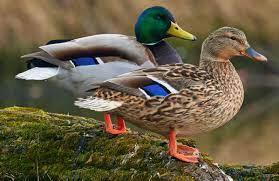
Diet Type: Omnivorous
Feeding Style / Habits: Dabbling, grazing
Key Foods: Gastropods, insects, crustaceans, worms, seeds, plant matter, roots, tubers
2. Northern Pintail
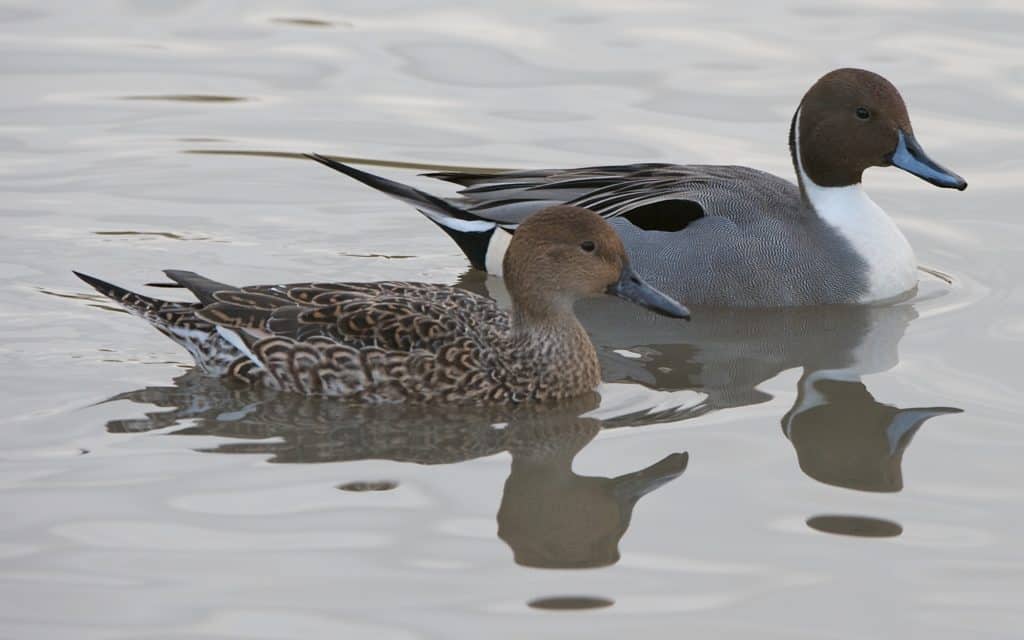
Diet Type: Mostly herbivorous
Feeding Style / Habits: Dabbling, upending (mainly evening/night feeding)
Key Foods: Seeds, rhizomes, roots, grains; some invertebrates
3. Blue-winged Teal
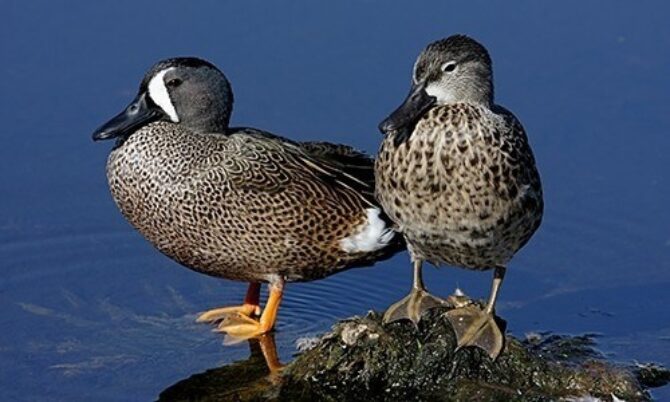
Diet Type: Omnivorous
Feeding Style / Habits: Surface feeding in shallow water, mudflat foraging
Key Foods: Seeds, stems, aquatic plants; mollusks, crustaceans, insects
4. Green-winged Teal
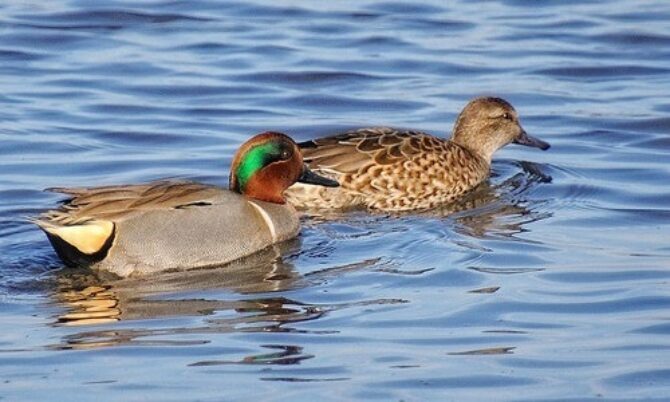
Diet Type: Mostly herbivorous
Feeding Style / Habits: Surface feeding, mudflat foraging
Key Foods: Seeds (nutgrass, millet, sedge), aquatic plants; insects, mollusks, crustaceans
5. Black-bellied Whistling-Duck
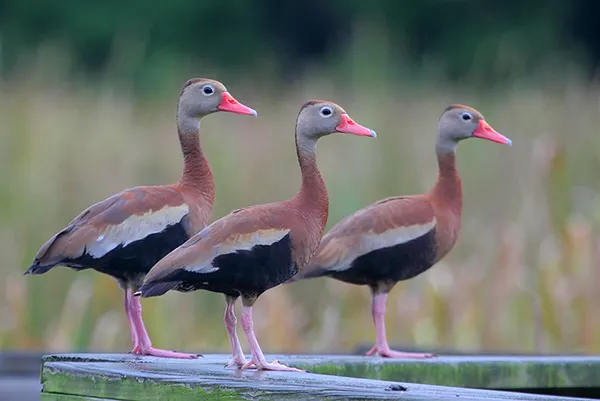
Diet Type: Omnivorous
Feeding Style / Habits: Wading, grazing, field gleaning
Key Foods: Seeds (corn, rice, grasses), insects, spiders, mollusks, tadpoles
6. Northern Shoveler
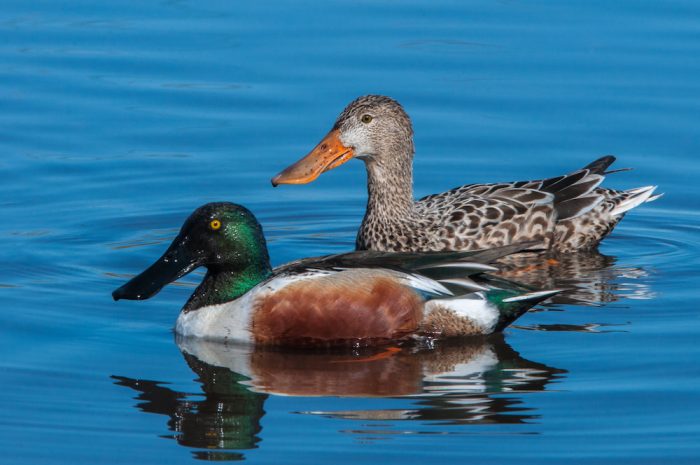
Diet Type: Omnivorous
Feeding Style / Habits: Dabbling, filter feeding
Key Foods: Zooplankton, aquatic invertebrates, seeds
7. Ring-necked Duck
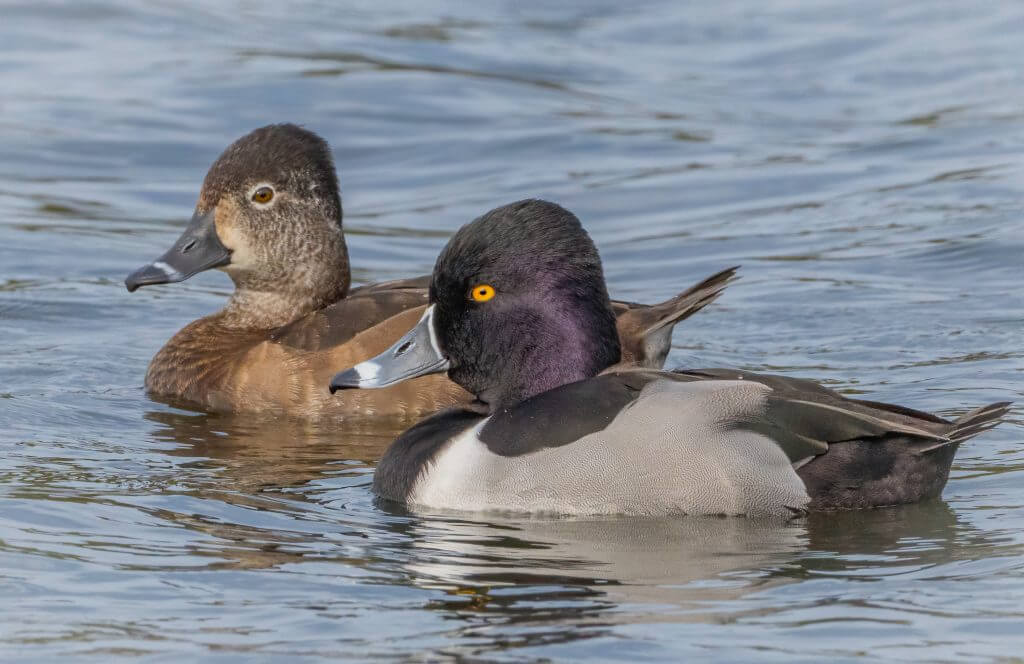
Diet Type: Omnivorous
Feeding Style / Habits: Diving, dabbling
Key Foods: Insects, worms, leeches, snails (young); pondweed, coontail, wild rice (adults)
8. Ruddy Duck

Diet Type: Omnivorous
Feeding Style / Habits: Diving (underwater foraging)
Key Foods: Seeds, roots, aquatic insects, crustaceans, larvae, pupae
9. Mottled Duck

Diet Type: Mostly herbivorous
Feeding Style / Habits: Dabbling, grazing
Key Foods: Aquatic plants, mollusks, insects
10. Wood Duck
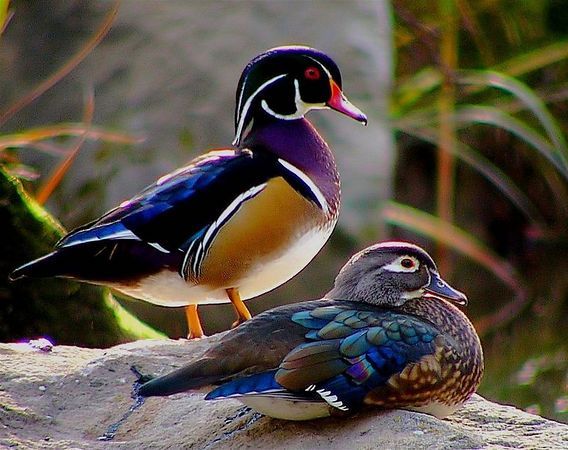
Diet Type: Omnivorous
Feeding Style / Habits: Dabbling, grazing
Key Foods: Seeds, acorns, berries, insects
11. American Wigeon
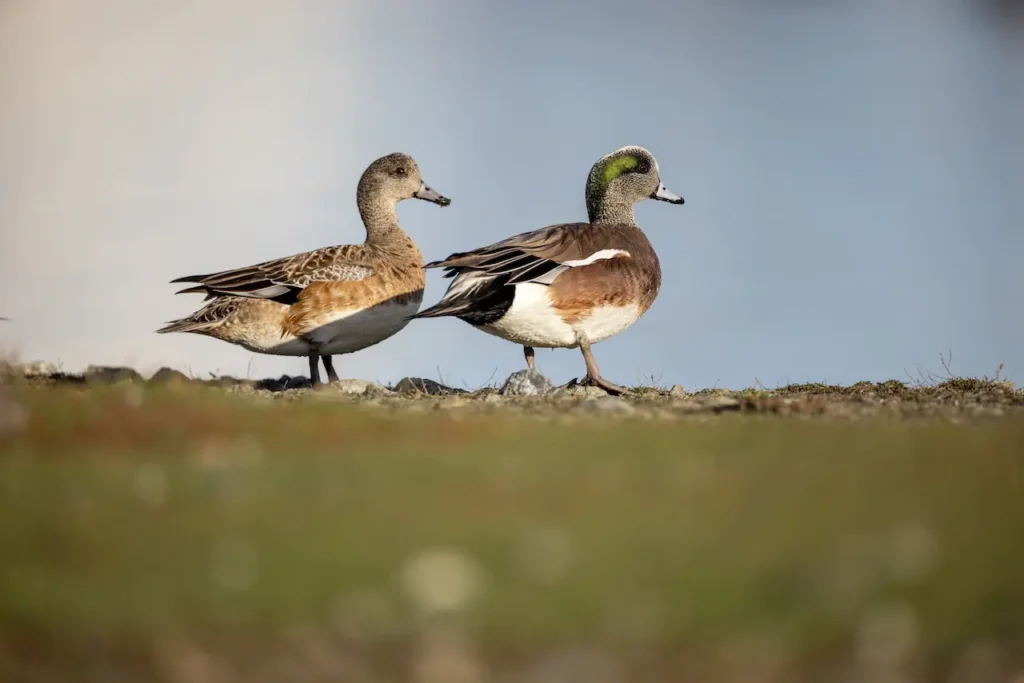
Diet Type: Mostly herbivorous
Feeding Style / Habits: Grazing, dabbling, food stealing
Key Foods: Grasses, aquatic plants, seeds, crops
12. Eurasian Wigeon
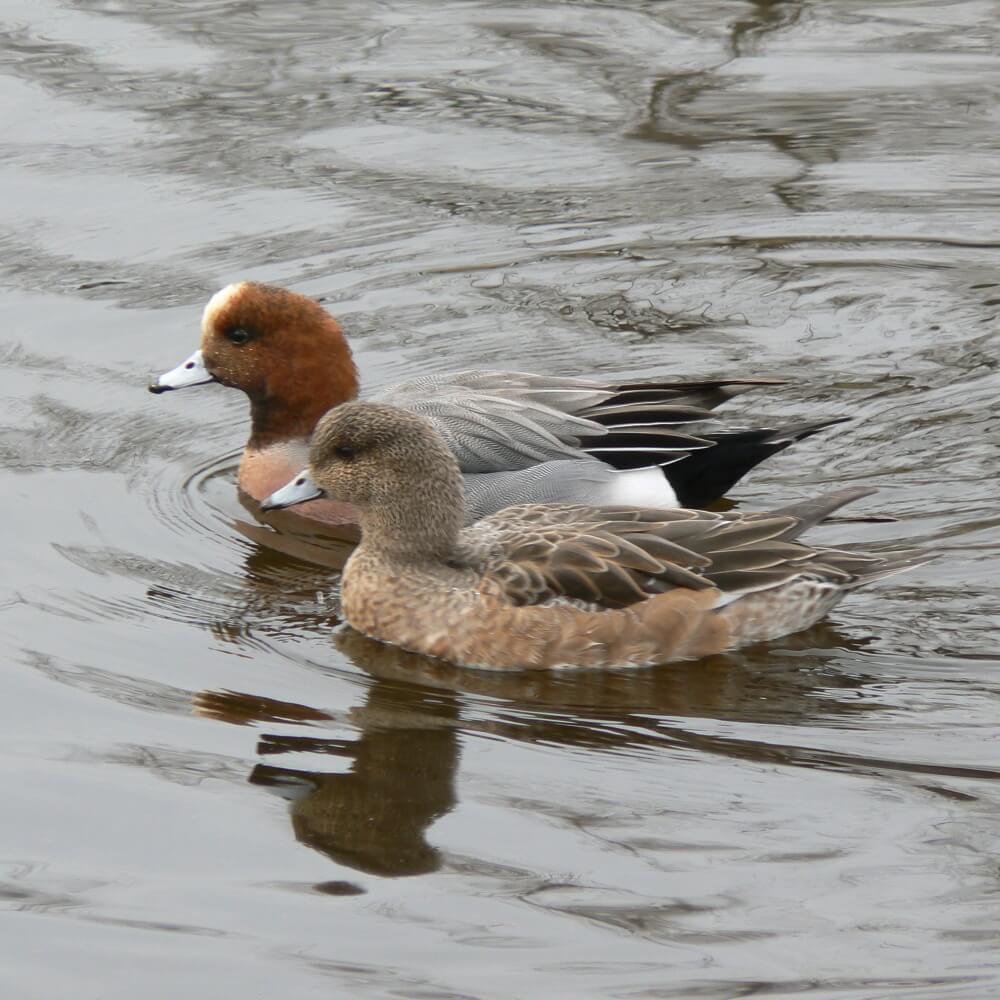
Diet Type: Herbivorous
Feeding Style / Habits: Grazing, dabbling
Key Foods: Grasses, leaves, stems, roots, seeds, eelgrass, pondweeds, algae
13. Common Goldeneye
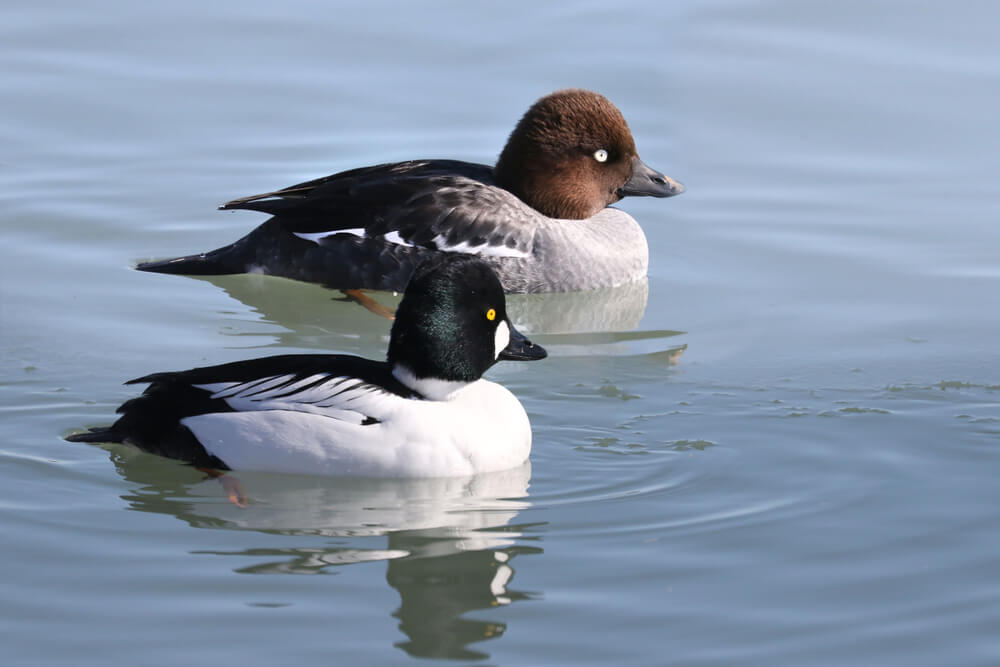
Diet Type: Omnivorous (animal-heavy)
Feeding Style / Habits: Diving
Key Foods: Crustaceans, aquatic insects, mollusks; fish eggs, aquatic plants
14. Hooded Merganser
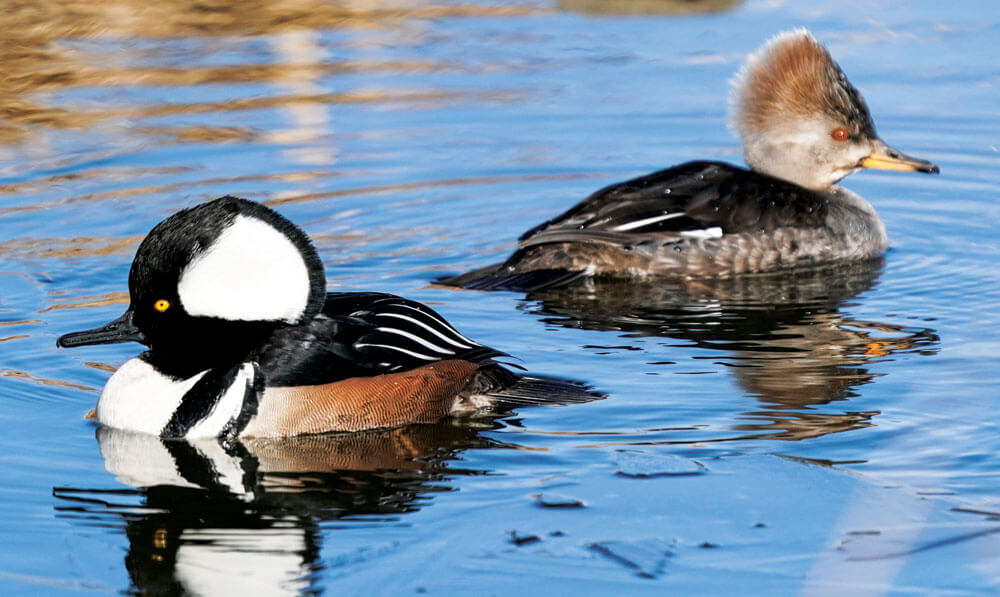
Diet Type: Carnivorous
Feeding Style / Habits: Diving (visual hunting underwater)
Key Foods: Fish, aquatic insects, crustaceans (crabs, crayfish), other invertebrates
15. Red-breasted Merganser
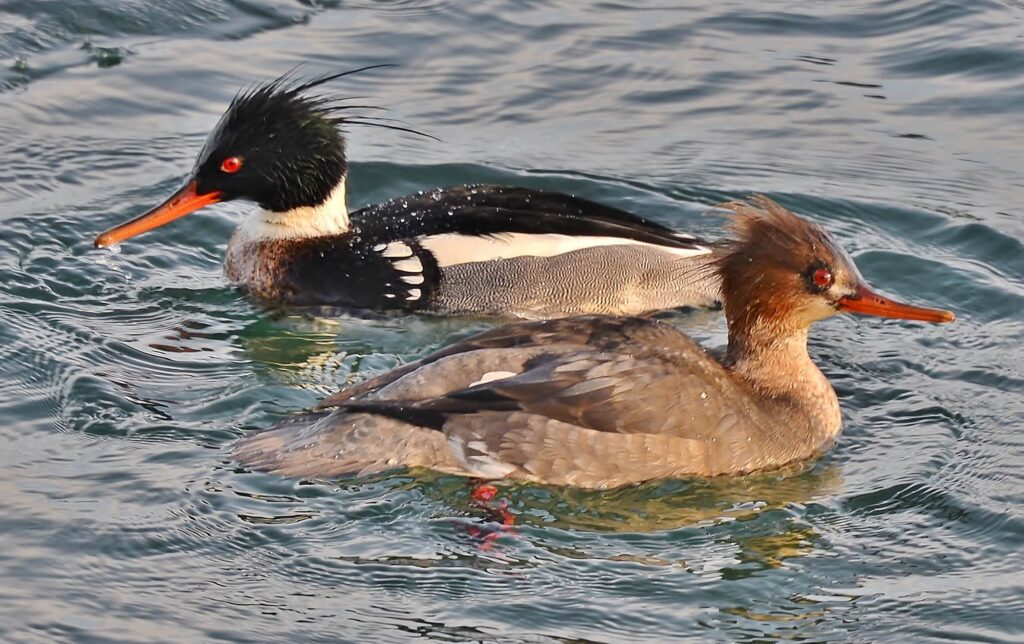
Diet Type: Carnivorous
Feeding Style / Habits: Diving
Key Foods: Small fish, aquatic insects, worms, crustaceans, amphibians
16. Common Merganser
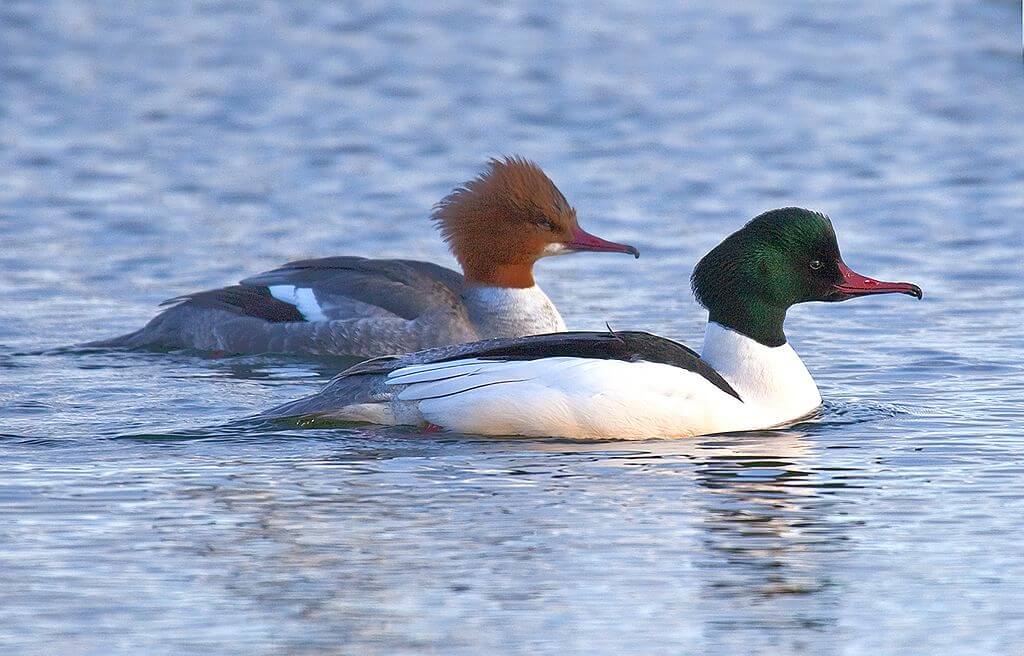
Diet Type: Carnivorous
Feeding Style / Habits: Diving (active pursuit)
Key Foods: Fish; mollusks, crustaceans, worms, insect larvae, amphibians
17. Long-tailed Duck

Diet Type: Carnivorous
Feeding Style / Habits: Diving
Key Foods: Mollusks, crustaceans, small fish
18. Bufflehead
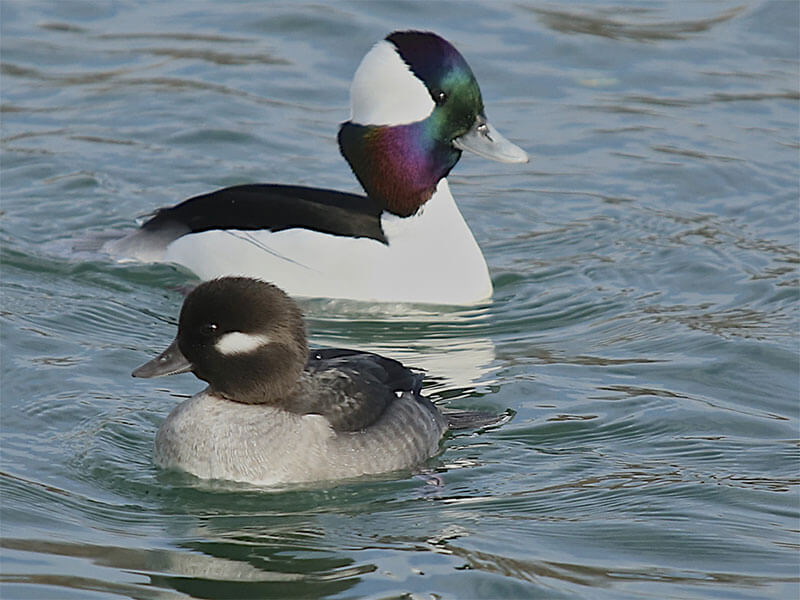
Diet Type: Omnivorous
Feeding Style / Habits: Diving
Key Foods: Freshwater: insects; Saltwater: crustaceans, mollusks; also fish eggs, aquatic plants
19. Fulvous Whistling-Duck
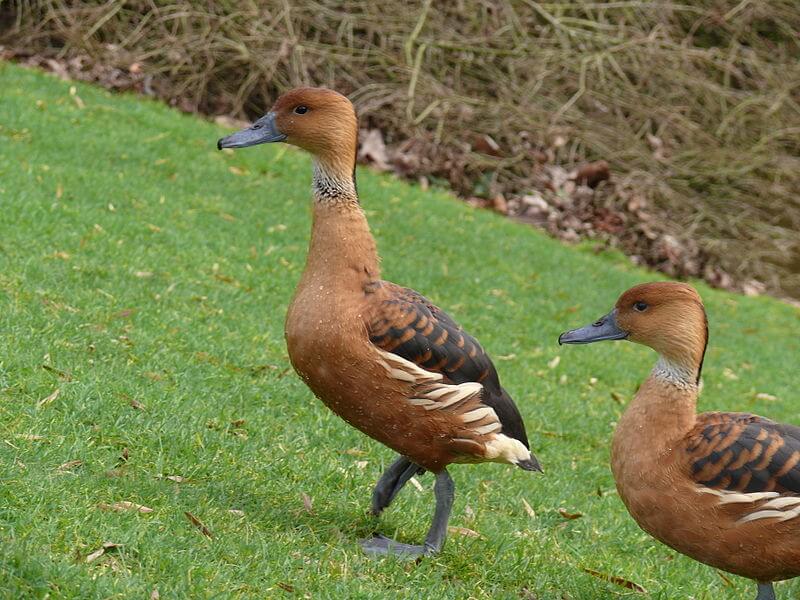
Diet Type: Mostly herbivorous (seasonally omnivorous)
Feeding Style / Habits: Grazing, upending, surface feeding, occasional diving
Key Foods: Seeds, bulbs, grasses, stems; small amounts of worms, mollusks, insects
20. Redhead
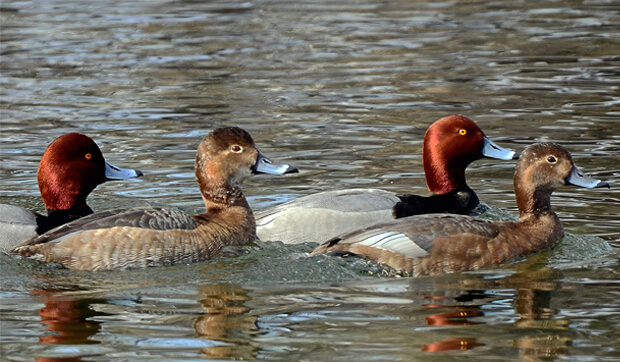
Diet Type: Omnivorous (seasonally variable)
Feeding Style / Habits: Diving
Key Foods: Breeding: mollusks, gastropods, insect larvae; Winter: pondweeds, wild rice, wild celery, grasses
21. Greater Scaup
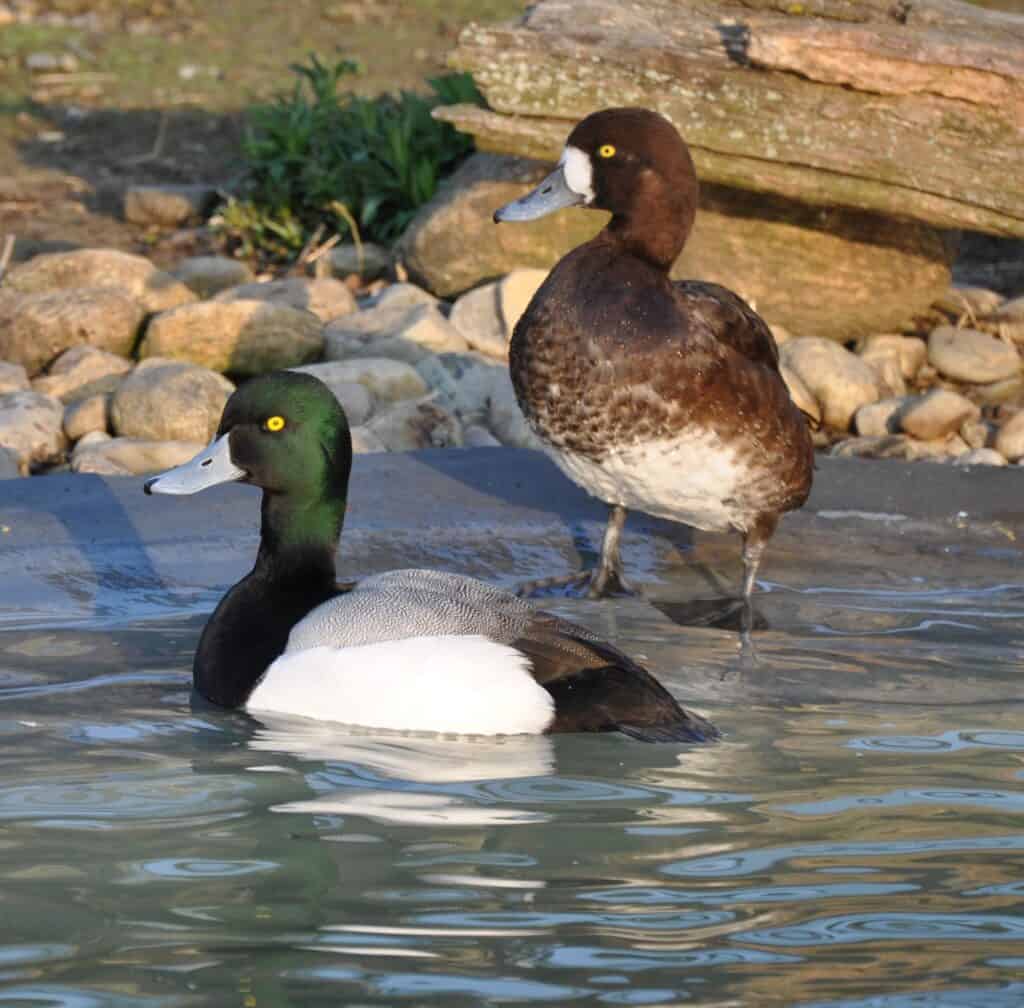
Diet Type: Omnivorous (animal-heavy)
Feeding Style / Habits: Diving
Key Foods: Mollusks, aquatic insects, crustaceans; seeds, leaves, stems, roots, aquatic plants
22. Lesser Scaup
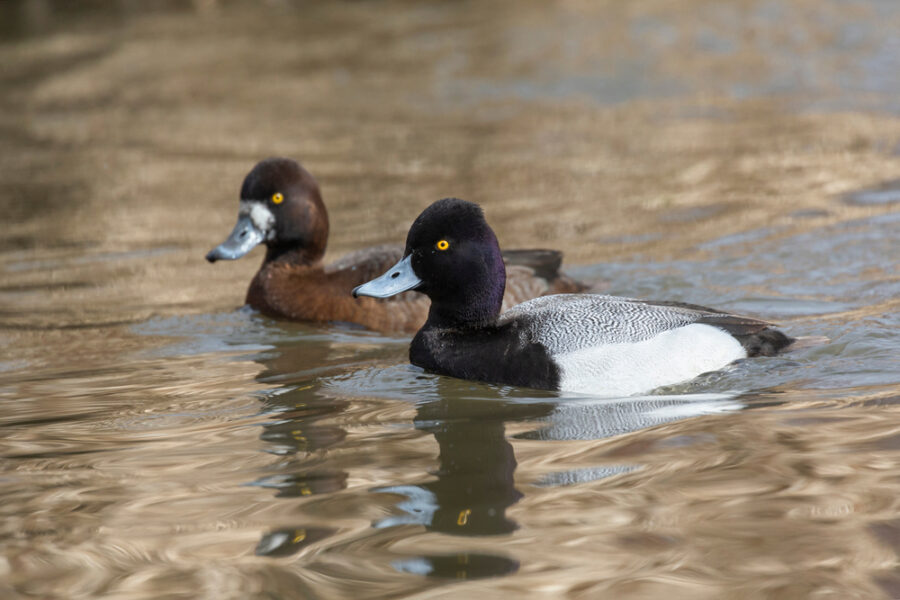
Diet Type: Omnivorous
Feeding Style / Habits: Diving, bottom sifting, occasional dabbling
Key Foods: Mollusks (mussels, clams), aquatic plant seeds and parts; crustaceans, insects, small fish
23. Gadwall

Diet Type: Mostly herbivorous
Feeding Style / Habits: Dabbling, occasional diving, food stealing
Key Foods: Aquatic plants (leaves, stems, seeds, algae); snails, insects
24. Cinnamon Teal

Diet Type: Mostly herbivorous
Feeding Style / Habits: Dabbling, surface feeding, group foraging
Key Foods: Seeds (especially sedges), aquatic plants; fly larvae, snails
25. Canvasback
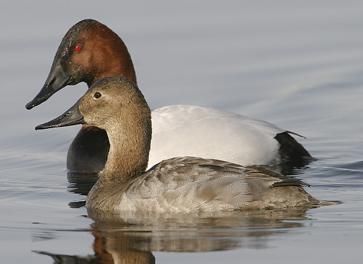
Diet Type: Omnivorous (plant-heavy)
Feeding Style / Habits: Diving, occasional dabbling
Key Foods: Tubers (especially pondweed), seeds, buds, roots; snails, insect larvae
26. Black Scoter
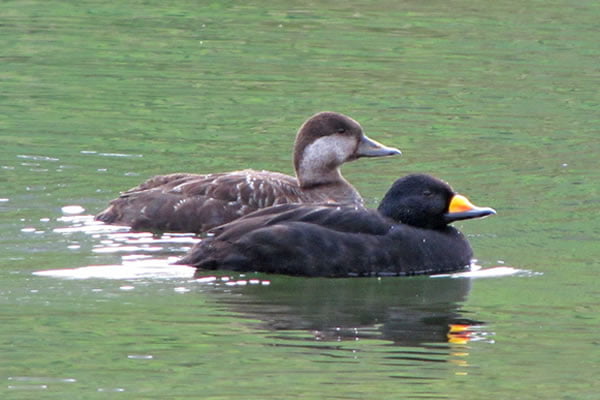
Diet Type: Omnivorous (animal-heavy)
Feeding Style / Habits: Diving
Key Foods: Crustaceans, mollusks; insects, larvae, fish eggs; occasional vegetation
27. Surf Scoter
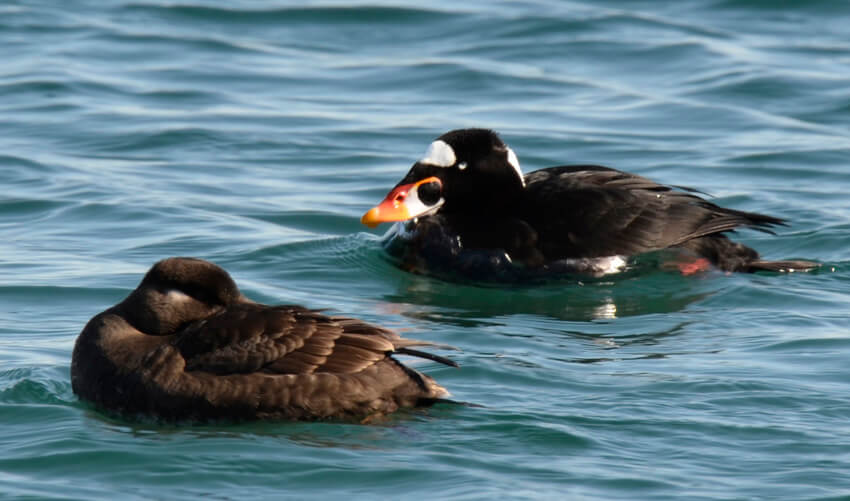
Diet Type: Carnivorous (benthic-focused)
Feeding Style / Habits: Diving, benthic foraging, flock feeding
Key Foods: Crustaceans, gastropods, bivalves (mussels), fish eggs
28. White-winged Scoter
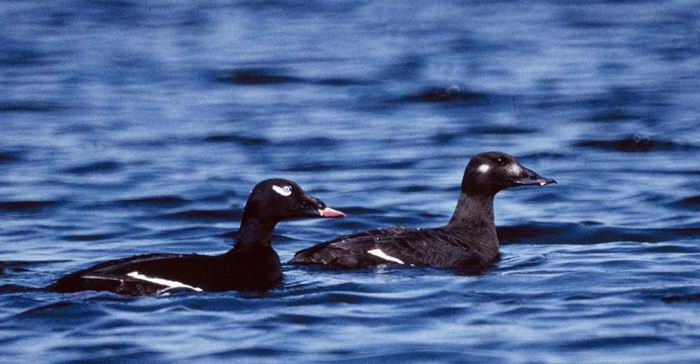
Diet Type: Carnivorous (benthic-focused)
Feeding Style / Habits: Deep diving, benthic foraging
Key Foods: Mollusks (clams), crustaceans, aquatic insects
29. Common Eider
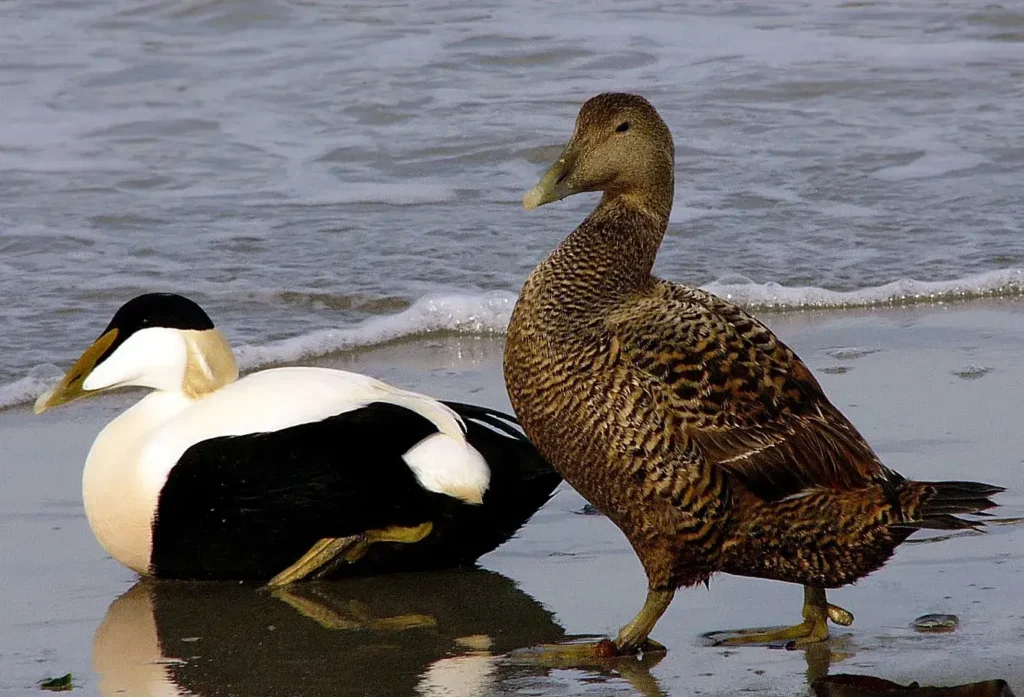
Diet Type: Carnivorous
Feeding Style / Habits: Diving, shell-crushing feeding
Key Foods: Mollusks (especially mussels), crustaceans (crabs)
30. King Eider
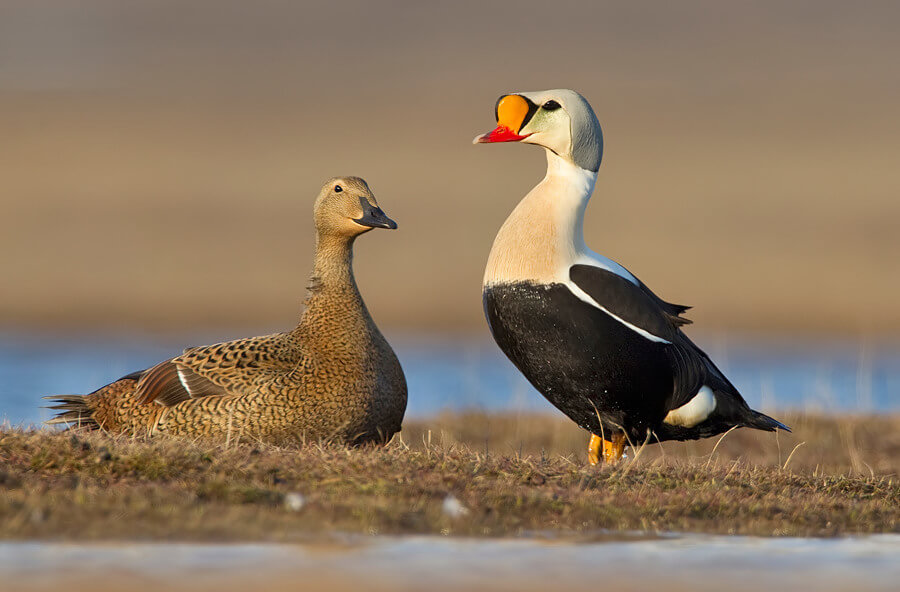
Diet Type: Carnivorous
Feeding Style / Habits: Diving, seasonal dabbling
Key Foods: Mollusks, crustaceans, sea urchins, starfish, sea anemones, small invertebrates
31. White-cheeked Pintail
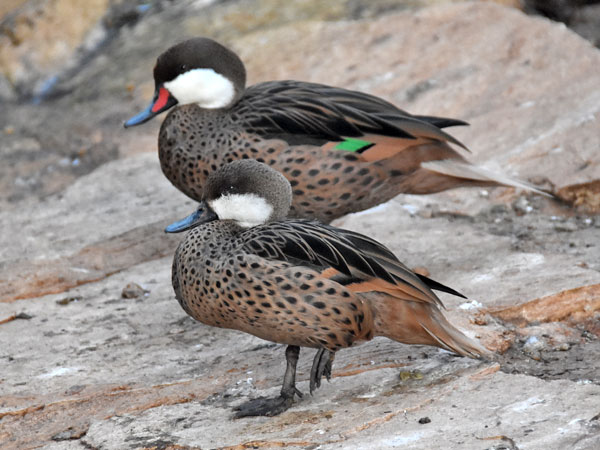
Diet Type: Omnivorous (plant-heavy)
Feeding Style / Habits: Dabbling
Key Foods: Aquatic plants, grass seeds, algae; insects, small aquatic invertebrates
32. American Black Duck
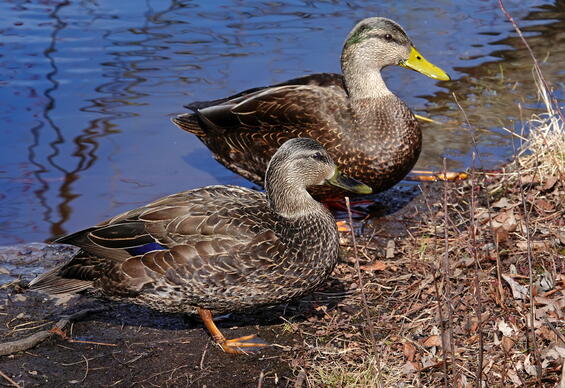
Diet Type: Omnivorous
Feeding Style / Habits: Dabbling, grazing
Key Foods: Seeds, stems, leaves, roots of aquatic plants; mollusks, insects, crustaceans, small fish
33. Harlequin Duck
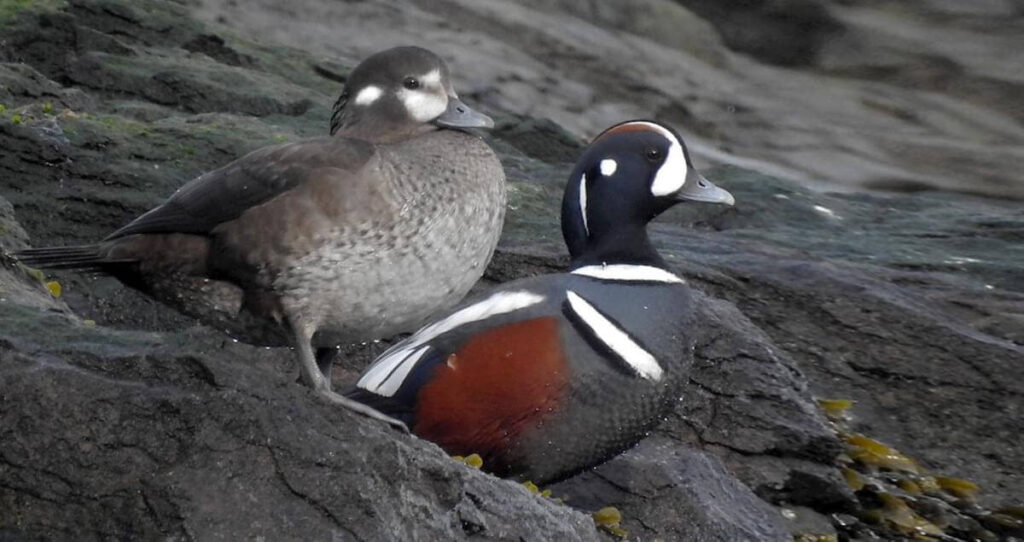
Diet Type: Carnivorous
Feeding Style / Habits: Diving
Key Foods: Mollusks, crustaceans, aquatic insects
34. Masked Duck

Diet Type: Omnivorous (plant-heavy)
Feeding Style / Habits: Diving
Key Foods: Seeds, roots, stems, leaves of aquatic plants; insects, crustaceans
Tips for Feeding Florida Ducks
Now that you have a better understanding of what different duck species in Florida naturally eat, here are some important tips to keep in mind if you choose to feed ducks at your local pond or canal.
- Avoid bread and processed foods: Bread, crackers, and similar human foods fill ducks up without providing proper nutrition. Over time, this can lead to malnutrition and poor feather condition. If you want to feed ducks responsibly, it’s better to skip bread entirely.
- Choose natural, duck-appropriate foods: Safer options include cracked corn, oats, barley, defrosted frozen peas, chopped lettuce (not iceberg), and bird-safe grains. These are much closer to what ducks naturally eat and are easier for them to digest.
- Feed in small amounts: Ducks do not need large quantities of food from people. Overfeeding encourages dependency and can disrupt their natural foraging behavior. Small handfuls are enough for observation and interaction.
- Feed near water, not on land in crowded piles: Feeding at the water’s edge helps maintain natural behavior and reduces competition. Avoid dumping large piles of food in one spot, which can attract pests and create unhealthy conditions.
- Do not feed ducks every time you see them: Regular feeding can make ducks reliant on humans instead of foraging for themselves. Occasional feeding is fine, but it should not become a routine food source.
- Be mindful of water quality: Uneaten food can decay quickly and contribute to algae growth and poor water conditions. Only offer what ducks can consume in a short time.
- Respect wild behavior: Some ducks are naturally wary and may not approach people. It’s best not to chase or crowd them, especially during nesting or breeding periods when disturbance can cause stress.
- Know that not all ducks feed the same way: Dabbling ducks, diving ducks, and grazing species all have different feeding strategies. Observing how they feed can help you understand what they naturally prefer and why certain foods are more suitable than others.