
Australian Call Duck
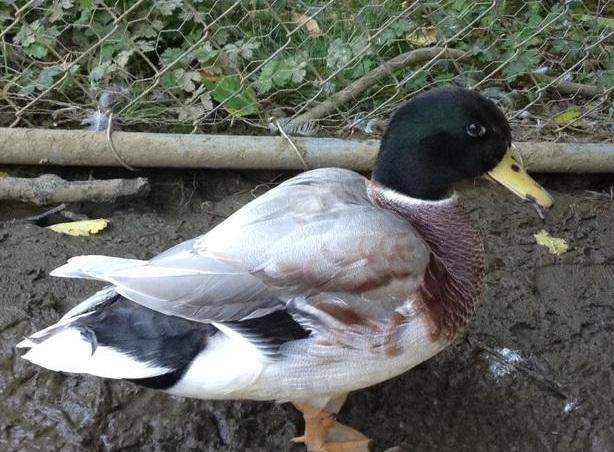
Scientific Name
Anas platyrhynchos domesticus
Alternative Names
Australian Call
Measurements
| Feature | Male | Female |
|---|---|---|
| Length | 30–35 cm (12–14 in) | 28–33 cm (11–13 in) |
| Weight | 1½ lb (0.68 kg) | 1¼ lb (0.56 kg) |
| Wingspan | 45–55 cm (18–22 in) | 45–55 cm (18–22 in) |
Status
A stable ornamental and pet breed in Australia, though still under refinement. Breeding programs continue to define the standard and preserve the pure Australian line distinct from English and American Call Ducks.
Average Life Span
8–10 years
Identification
Small and compact with short legs, domed heads, and short bills. Their plumage varies from brown to buff, depending on the line. The breed shows the classic “dwarf” call duck form — round body, upright stance, and cheerful expression. Drakes and ducks are nearly identical, though males are slightly larger and may have brighter tones.
Breed History
The Australian Call Duck was developed independently in South Australia from a spontaneous mutation in a domestic flock of mallards owned by Hamish Russel. Although it resembles the English and American Call Ducks, genetic studies and breeding evidence confirmed it as a distinct breed.
In 2011, the Australian Poultry Standard Committee officially renamed the breed from “Call Duck” to “Australian Call,” recognizing its unique characteristics. The breed displays slightly larger size and different color variations than its overseas counterparts. Historically, call ducks were used as decoy ducks to lure wild ducks with their high-pitched call, but today, the Australian Call Duck serves mainly ornamental and pet purposes.
Purpose
Primarily bred for ornamental use and as a pet duck due to its small size, gentle disposition, and attractive appearance.
Breed Eggs
Australian Call Ducks are light layers, producing around 50–100 small white or off-white eggs per year. Eggs weigh approximately 40–50 grams. While not prolific layers, they may occasionally go broody and can successfully hatch their own clutches.
Temperament & Behavior
Lively, sociable, and very vocal — true to the “Call” name. Their high-pitched calls can be quite loud, especially from females. They are easy to tame and thrive in small backyards but are best suited to homes where noise is not a concern.
They require shallow water dishes to swim and bathe, as full-sized buckets are too deep. Australian Calls enjoy foraging on insects and greens and should always have access to clean water.
Genetic Profile
Originated as a spontaneous dwarf mutation of the domestic mallard. Maintains the “call duck” genotype characterized by small body size, shortened legs, and round head. Breeders in Australia continue to refine and stabilize color varieties, ensuring genetic distinction from English and American Call Ducks.