
Pomeranian Duck
Scientific Name
Anas platyrhynchos domesticus (domestic breed)
Alternative Names
Pomeranian Duck, Pommern Duck (German: Pommernente)
Measurements
| Feature | Male | Female |
|---|---|---|
| Length | Around 60 cm (24 in) | Around 55 cm (22 in) |
| Weight | About 3 kg (6.6 lb) | About 2.5–2.7 kg (5.5–6 lb) |
| Wingspan | Not recorded | Not recorded |
Status
The Pomeranian Duck is a traditional landrace breed that originated in Pomerania, a region along the Baltic Sea coast shared by Germany and Poland. It is related to other northern European breeds like the Swedish Blue and Shetland Duck. Though once common on farms, it is now rare and mainly bred by enthusiasts in Germany and Switzerland.
Identification
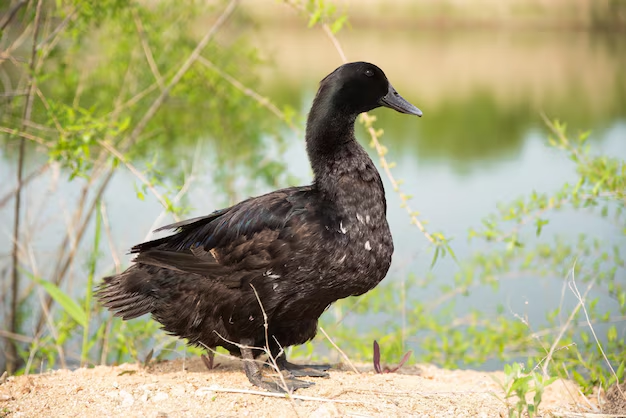
A medium-sized, sturdy duck known for its blue or black plumage with a white bib on the breast. The feathers have a green sheen, especially in sunlight. The bill and feet are dark (preferably black), and the eyes are dark brown. It has a long, broad body carried fairly low to the ground, giving it a graceful but strong appearance.
Voice
Soft and calm compared to heavier breeds. Females produce the typical quack, while males make quieter, rasping calls.
Diet
Omnivorous, feeding on insects, snails, plants, and grains. They are excellent snail hunters, making them useful for natural pest control in gardens and farms.
Distribution
Originally from northern Germany and the Baltic coast, the breed later spread to Switzerland and other parts of Europe. Today, only a few breeders in Germany and Switzerland continue to maintain pure flocks.
Habitat
Prefers farms, grasslands, and open wetlands. These ducks thrive in free-range environments where they can forage naturally. They tolerate all weather well, including cooler northern climates.
Breeding
The Pomeranian Duck lays 70–150 eggs per year, each weighing around 70–90 grams. The eggs are white to pale cream in color. The ducks are reliable breeders and often raise one brood before their summer molt. Ducklings grow quickly and are ready for market or full size in 8–10 weeks.
Wintering
Hardy and well adapted to cold weather. They remain active outdoors year-round if they have shelter and access to unfrozen water.
Use
Originally bred as a dual-purpose duck for both meat and eggs, it is now valued for its ornamental beauty, calm temperament, and usefulness in pest control. The main goal of current breeders is to maintain its traditional traits, strong constitution, and attractive color markings.
Conservation
The Pomeranian Duck is considered endangered due to its limited breeding population. Efforts are ongoing in Germany and Switzerland to preserve this historic breed through dedicated breeding programs and hobby farms.