
Shetland Duck
Scientific Name
Anas platyrhynchos domesticus
Alternative Names
Shetland Duck
Measurements:
| Feature | Drake | Duck |
|---|---|---|
| Weight | 4.4 lb (2 kg) | 4 lb (1.8 kg) |
| Egg Production | About 150 eggs per year | About 150 eggs per year |
Status
Critically endangered. Listed as a “priority” breed by the Rare Breeds Survival Trust (2025–2026). Its conservation status in DAD-IS is “unknown.”
Average Life Span
Up to 20 years
Breed History
The Shetland duck originated in the Shetland Islands of northern Scotland and is considered one of Britain’s rarest native duck breeds. Its ancestry is thought to be connected to northern European breeds such as the Swedish and Pomeranian ducks. In 2002, only 60–100 birds were estimated to exist. Mary Isbister played a crucial role in rescuing the breed from extinction in the 1980s. Despite these efforts, the breed remains rare and unstandardized, with very few dedicated breeders.
Identification
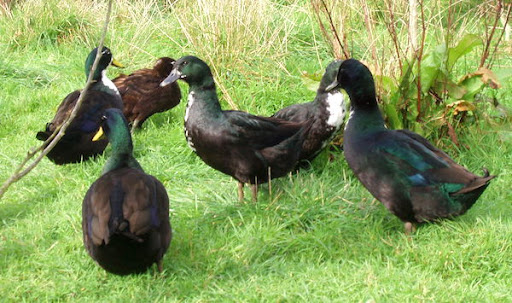
The Shetland is a small, hardy, active duck with glossy black plumage showing green and blue iridescence. Most have a white bib, and some may display small white patches on the head. As they age, some individuals become progressively whiter. The bill and legs are black in ducks, while drakes have bills tinged with yellow and legs that may carry some orange.
Purpose
The Shetland duck is a good layer and forager. It is primarily valued for its eggs and hardiness rather than meat. The breed thrives in cold climates and can find much of its own food through foraging, making it well-suited for low-maintenance, sustainable farming.
Breed Eggs
Shetlands lay large eggs—typically white or grey, sometimes green. Annual production averages about 150 eggs, though this can vary widely by strain.
Temperament & Behavior
Shetland ducks are calm, friendly, and excellent foragers. They are exceptionally hardy, particularly in cold weather, and are known to live well into their twenties. While most Shetlands do not fly, a few may manage short flights. They often go broody and are attentive mothers.
Color
The plumage is typically black with an iridescent green sheen and a white bib. Some individuals gain additional white feathers with age. Purebred Shetlands do not have white primaries; those that do are likely to have Black Swedish ancestry. The bill and foot color is sex-linked—females usually have black bills and feet, while drakes have olive-green or yellow-tinged bills and black or dark greenish feet with occasional orange markings.
Conservation Note
The Shetland duck’s survival is due largely to the efforts of breeder Mary Ann Isbister, who helped revive the population in the 1980s. However, without continued conservation and active breeding, the Shetland remains at risk of extinction. Enthusiasts can join the Shetland Duck Facebook group to support ongoing preservation efforts.