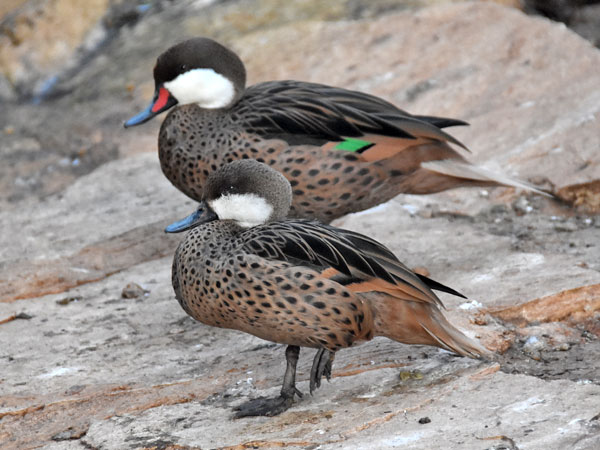
Duck Tribes Explained
There are about 120-130 duck species across wetlands, lakes, rivers, and coastal habitats worldwide. To better understand the relationships between different species, ducks are further classified into several levels of biological organization. One of these levels is known as a tribe, a category used to group closely related ducks that share similar evolutionary traits.
What Are Duck Tribes?
A duck tribe is a scientific grouping used in bird taxonomy to organize closely related ducks within the larger duck family, Anatidae, which includes ducks, geese, and swans.
In the biological classification system, animals are arranged in a hierarchy that reflects their evolutionary relationships. For ducks, this structure generally looks like this:
- Family: Anatidae (ducks, geese, and swans)
- Subfamily: Large groups within the family
- Tribe: Smaller groups of closely related genera
- Genus: A group of closely related species
- Species: Individual species
A tribe sits between subfamily and genus in this hierarchy. Tribes is often used to organize ducks that share anatomical features, behaviors, and evolutionary ancestry.
For example, ducks that feed mainly at the surface of the water are grouped together in one tribe, while others that specialize in diving underwater belong to another.
Do All Duck Species Belong to a Specific Tribe?
Most duck species are placed within a tribe as part of modern bird classification. However, taxonomy is constantly evolving as scientists learn more about birds through genetic research and evolutionary studies.
In some cases, species that were once grouped together in a single tribe are later reassigned to different groups when new evidence shows they are not as closely related as previously thought. This has happened with several groups of ducks, especially those once classified as “perching ducks.”
Despite these adjustments, tribes remain a helpful way to understand how different ducks are related and how they have adapted to different environments and feeding styles.
Common Duck Tribes
Several well-known tribes make up the majority of duck diversity within the Anatidae family. Each tribe typically shares certain physical traits, feeding behaviors, or ecological roles.
1. Anatini (Dabbling Ducks)
The Anatini tribe includes the dabbling ducks, a group known for feeding at or near the water’s surface. These ducks often tip forward in the water, submerging their heads while keeping their tails above the surface.
Common traits include:
- Broad, flat bills suited for filtering food
- Feeding in shallow water
- Frequent use of wetlands, ponds, and slow-moving rivers
Well-known species include the Mallard and many types of teal and wigeons. Learn more about ducks in this tribe in this post: 55 Types of Dabbling Ducks
2. Aythyini (Diving Ducks)
Ducks in the Aythyini tribe are commonly known as diving ducks. Instead of feeding at the surface, these ducks dive underwater to search for food such as aquatic plants, invertebrates, and small fish.
Typical characteristics include:
- Compact, streamlined bodies
- Legs positioned farther back on the body for strong swimming
- Strong diving abilities
Examples include scaups, pochards, and other freshwater diving species. Learn more about ducks in this tribe in this post: Diving Ducks List : Here Are 43 Diving Duck Species to Know
3. Tadornini (Shelducks and Sheldgeese)
The Tadornini tribe contains shelducks, birds that often appear intermediate between ducks and geese.
They are typically:
- Larger than most ducks
- Known for bold plumage patterns
- Often found in coastal wetlands and open lakes
Some species also spend more time walking on land than many other ducks. Learn more about ducks in this tribe in this post: Shelduck Species: Meet 7 Remarkable Ducks of the Tadorna Genus
4. Oxyurini (Stiff-Tailed Ducks)
The Oxyurini tribe includes the stiff-tailed ducks, a specialized group of freshwater diving ducks known for their distinctive upright tail feathers.
Common traits include:
- Long, stiff tail feathers held upright when resting
- Large, swollen bills
- Strong diving abilities and highly aquatic lifestyles
Species in this group often perform unusual courtship displays involving head movements and drumming sounds.
Learn more about ducks in this tribe in this post: Stiff-Tailed Ducks: Meet the Upright-Tailed Divers of the Oxyurini Tribe
5. Perching Ducks (Formerly the Cairinini Tribe)
Perching ducks are a group of ducks known for their ability to perch in trees, a behavior that is unusual among waterfowl. Historically, these species were placed in a tribe called Cairinini, sometimes referred to as the perching duck tribe.
Modern genetic studies have shown that the species once grouped in Cairinini are not all closely related, and many have since been reassigned to other tribes within the duck family. As a result, “perching ducks” is now used mostly as an informal term describing behavior rather than a strict taxonomic category.
Many perching ducks share several features that allow them to live in wooded wetlands, including:
- Strong feet with long claws that help them grip branches
- Short, broad wings suited for maneuvering through forests
- A tendency to nest in tree cavities or hollow trunks
Famous examples include the Wood Duck, Mandarin Duck, and the Muscovy Duck. Learn more about other ducks in this tribe in this post: Perching Ducks: 17 Arboreal Duck Species You Should Know