
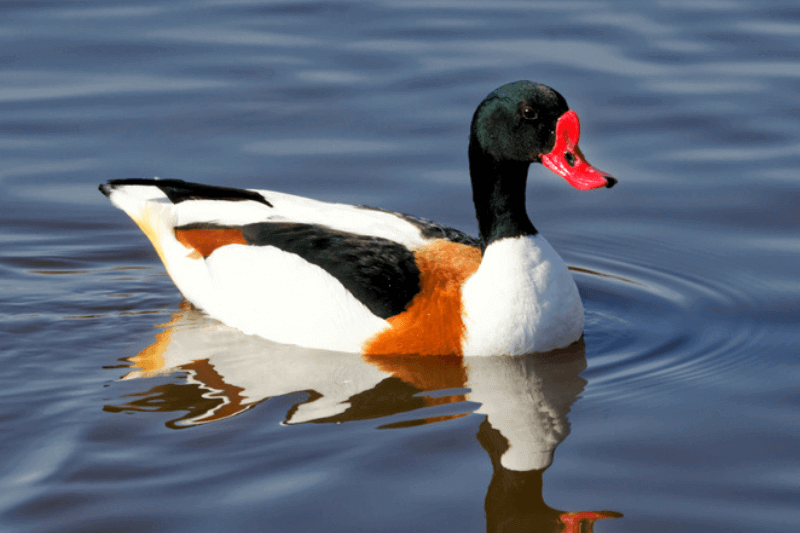
Shelduck Species: Meet 7 Remarkable Ducks of the Tadorna Genus
There are about 7 widely recognized shelduck species, most of which belong to the genus Tadorna within the duck family Anatidae. These large, colorful waterfowl are known for their upright posture, striking plumage patterns, and their unique position between ducks and geese in both appearance and behavior.
Below is a list of the 7 most notable shelduck species found across wetlands, lakes, rivers, and coastal habitats in Europe, Asia, Africa, and Australia.


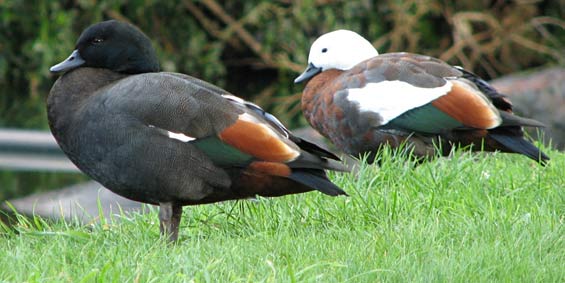
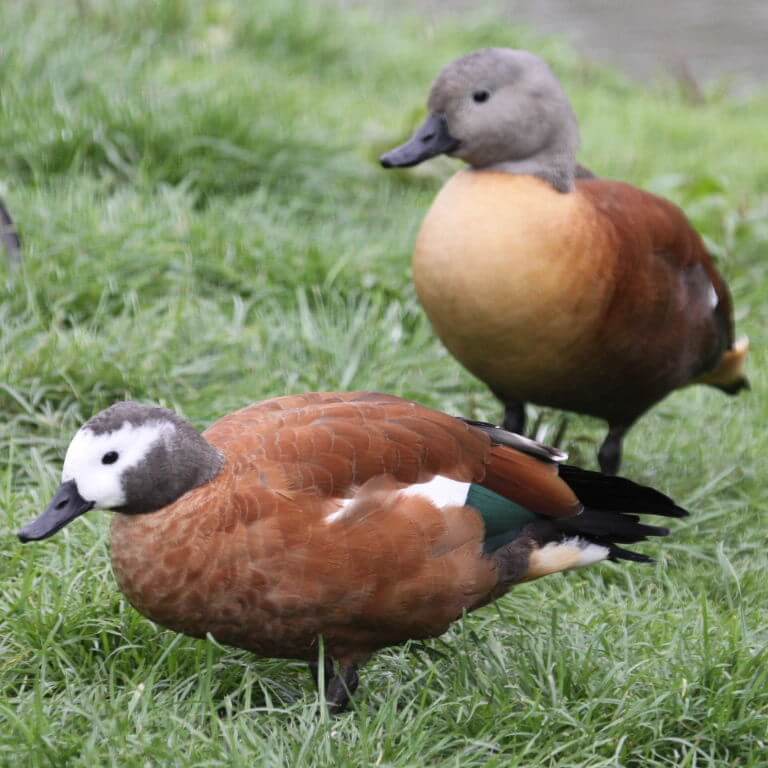
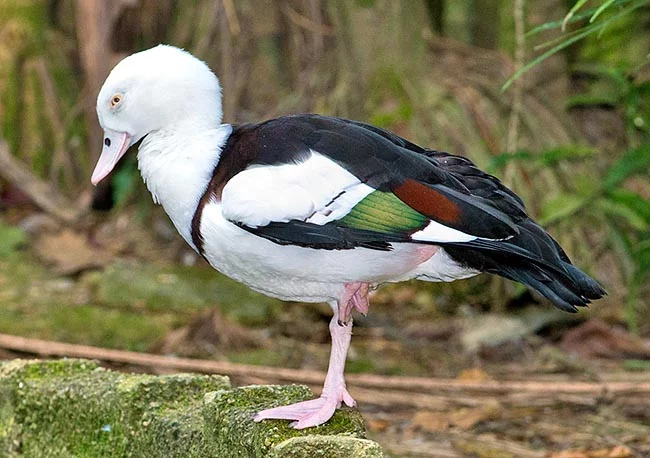
Discover duck species in other tribes:
What Are Shelducks?
Shelducks are a group of large, striking waterfowl that belong to the tribe Tadornini within the duck family Anatidae, which also includes ducks, geese, and swans. Most species are placed in the genus Tadorna, though the Radjah Shelduck is now often placed in its own genus, Radjah.
In terms of appearance and behavior, shelducks are often considered an intermediate group between geese and ducks. They are generally larger and more upright than typical ducks but smaller than true geese. Their long legs, sturdy bodies, and upright posture often make them appear more goose-like when standing on land (see other ducks that look like geese here).
Most shelducks measure roughly 50 to 60 cm (20–24 inches) in length and are known for their bold plumage patterns, which often combine contrasting colors such as white, chestnut, black, or green. The name “shelduck” comes from an old English word meaning “pied” or multicolored, which refers to the distinctive two-tone appearance common in many species.
Notable Shelduck Species
There are about six widely recognized living species of shelducks in the genus Tadorna, including:
- Australian Shelduck
- Common Shelduck
- Paradise Shelduck
- Ruddy Shelduck
- South African (Cape) Shelduck
- Radjah Shelduck
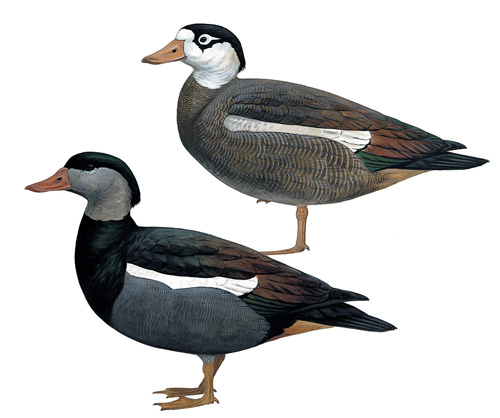
Another species, the Crested Shelduck, was historically recorded in East Asia but is now believed to have become extinct during the late 20th century, though occasional unconfirmed sightings have been reported.
Key Characteristics
Shelducks are relatively large ducks with several distinctive physical features.
One of their most recognizable traits is their wing pattern in flight. Nearly all species show a similar arrangement:
- A green iridescent speculum (a glossy patch on the wing)
- Black primary and secondary flight feathers
- White wing coverts, which create a bold contrast during flight
Their long legs and upright stance also set them apart from many other ducks, giving them a more terrestrial appearance when walking or standing.
Many species show slight differences between males and females. In some species, males develop a small bony knob on the bill, which plays a role in courtship displays and may help produce distinctive whistling sounds during aggressive or mating behavior.
Feeding Habits
Shelducks have a varied omnivorous diet and feed in several ways depending on their habitat.
Unlike some ducks that specialize in either diving or surface feeding, shelducks commonly feed by probing mud, dabbling in shallow water, or grazing on land. They often search for food along shorelines, tidal flats, wetlands, and shallow lakes.
Their diet can include:
- Aquatic plants and grasses
- Seeds and vegetation
- Mollusks such as snails and winkles
- Small crustaceans like crabs
- Aquatic insects and other invertebrates
Because of their long legs and adaptable feeding behavior, shelducks often spend more time walking and foraging on land than many other ducks.
Habitat and Distribution
Most shelduck species are found in the Old World, with many living across Europe, Asia, Africa, and Australia. Several species occur primarily in the Southern Hemisphere, while only a few—such as the Common Shelduck and the Ruddy Shelduck—breed widely in northern regions.
They typically inhabit coastal lagoons, estuaries, mudflats, wetlands, and shallow inland lakes. These environments provide the mix of shallow water and shoreline habitats that suit their feeding habits.
Shelducks are often semi-terrestrial, and spend significant time on land compared with many other ducks.
Learn more other duck species habitats here: Duck Habitats : Here Is Where 120+ Duck Species Live
Nesting and Breeding
Shelducks are known for their interesting nesting habits. Instead of building exposed nests near water, many species prefer sheltered nesting sites such as:
- Tree hollows
- Burrows made by other animals
- Holes in riverbanks or cliffs
- Abandoned dens or cavities
Because suitable nest sites can be limited, shelducks sometimes search for nesting areas in small groups and may breed in loose colonies.
They typically form strong, long-lasting pair bonds, and tend to return to the same breeding areas each year. Females lay relatively large clutches of eggs, and after hatching, the ducklings quickly leave the nest.
In some populations, parents may gather their young into creches, where several broods are watched over by one or two adults while the others forage.