

Diving Ducks List : Here Are 43 Diving Duck Species to Know
There are over 40 recognized species of diving ducks, including Pochards and Scaups, sea ducks, stifftails, and mergansers, all belonging to various tribes within the duck family Anatidae. Below is a list of the most commonly observed diving duck species found across freshwater lakes, rivers, and coastal waters worldwide.
Pochards & Scaups
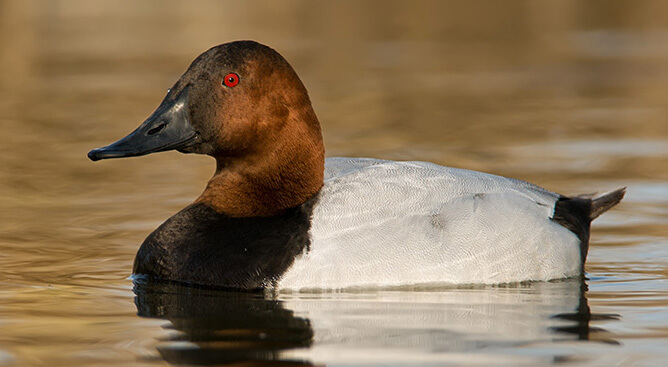
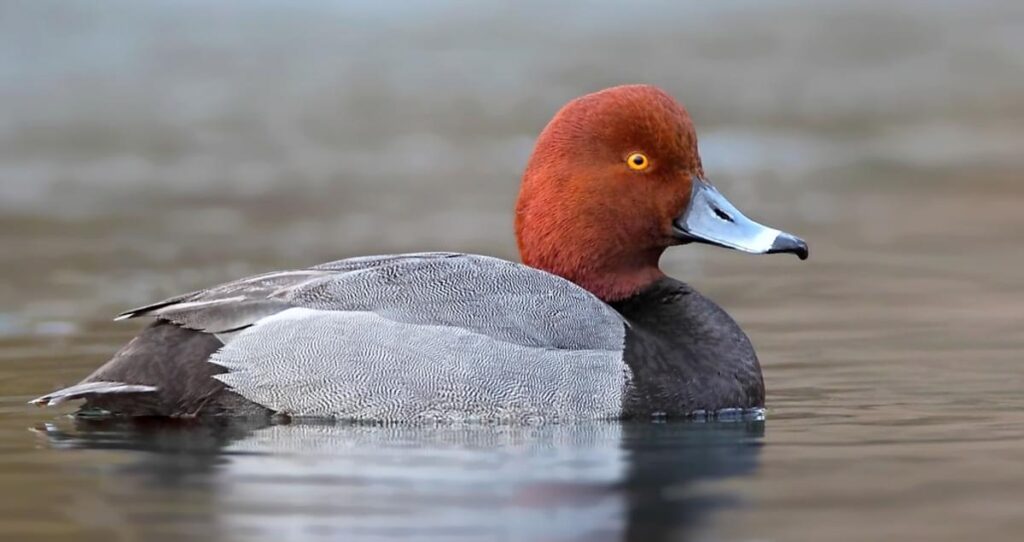
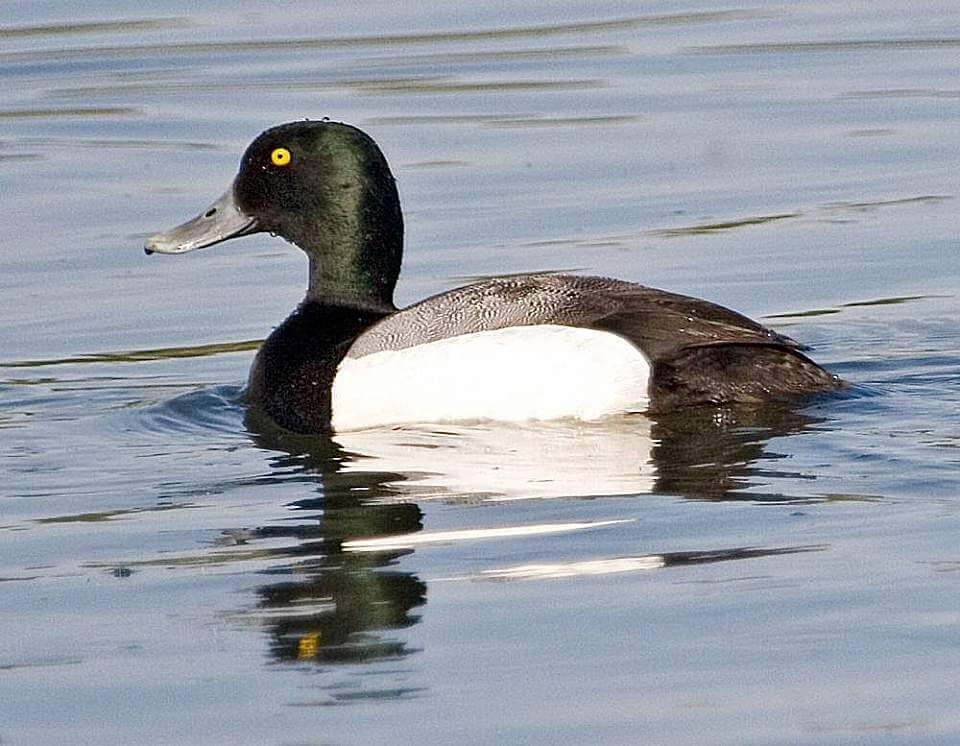
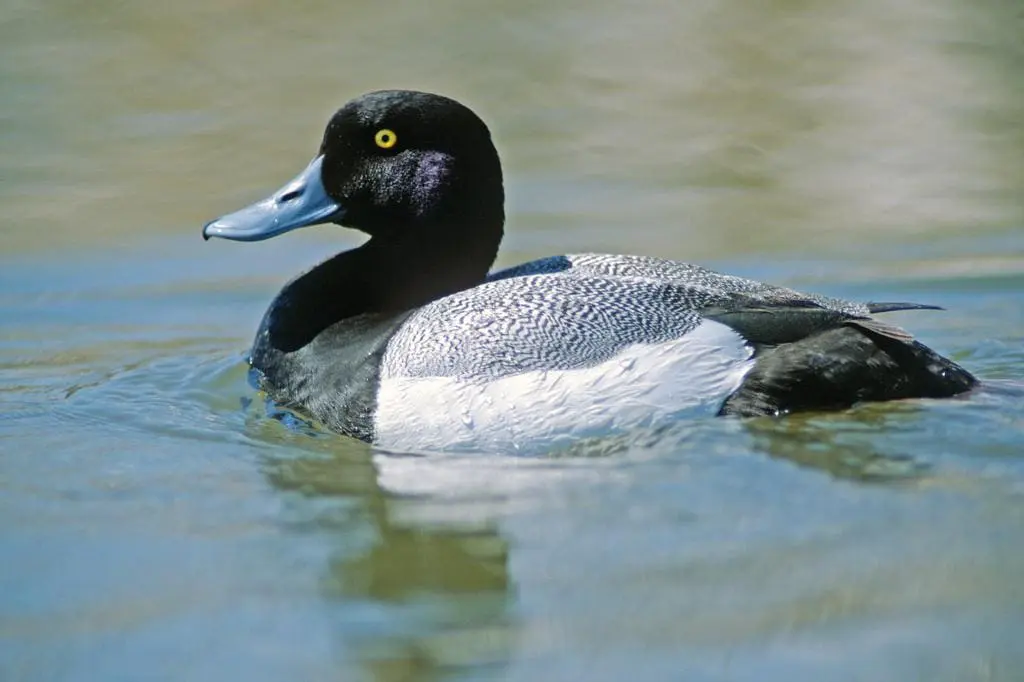
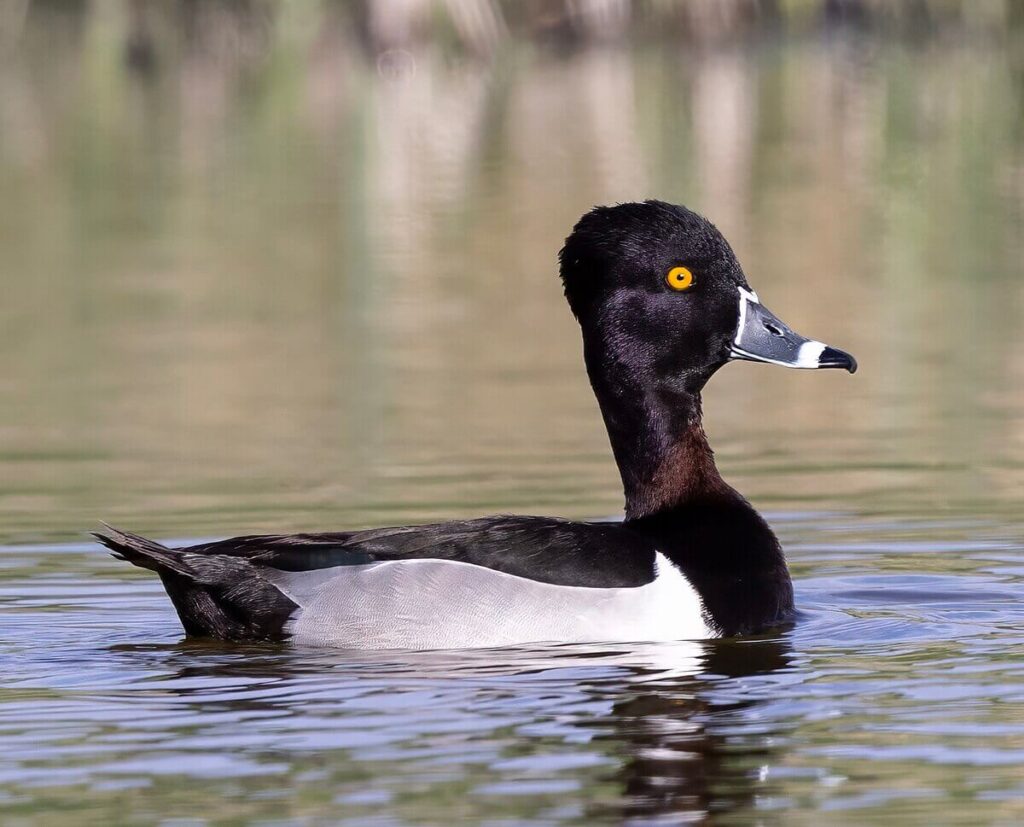
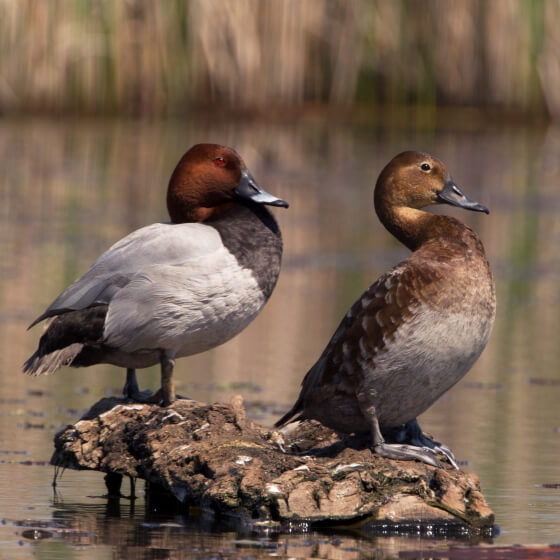
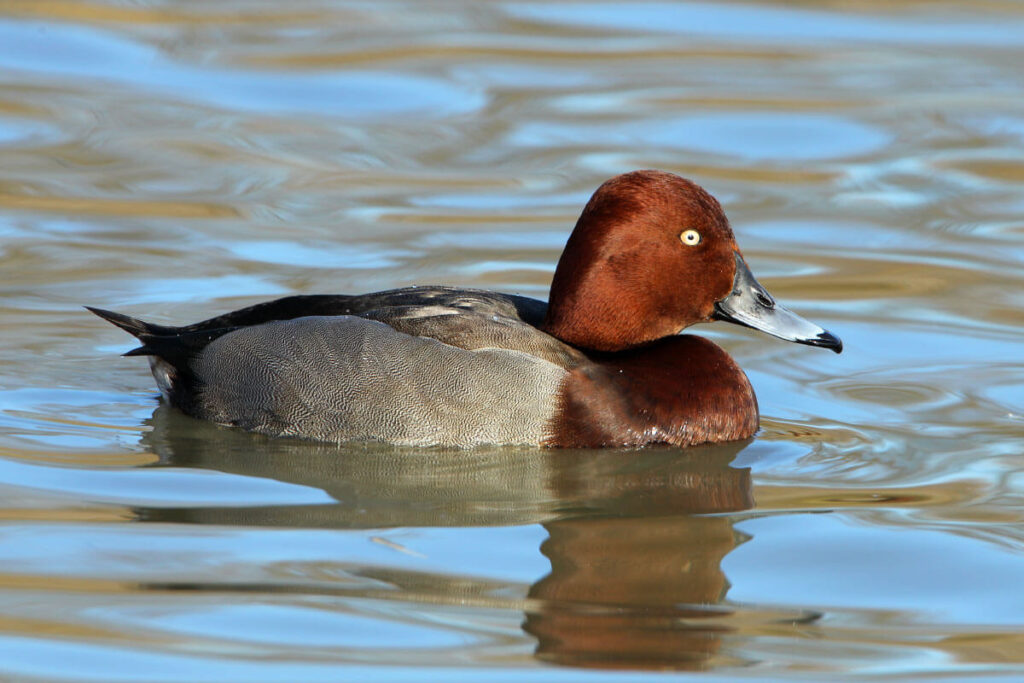
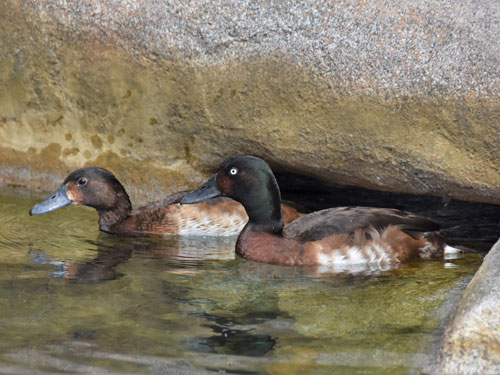
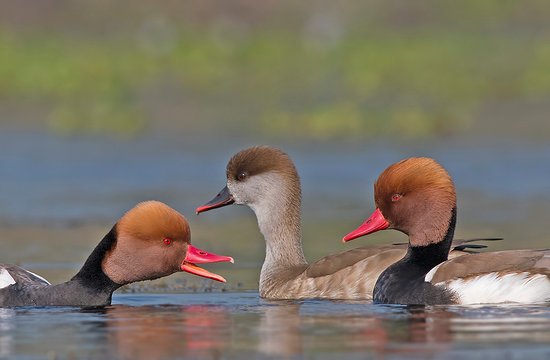
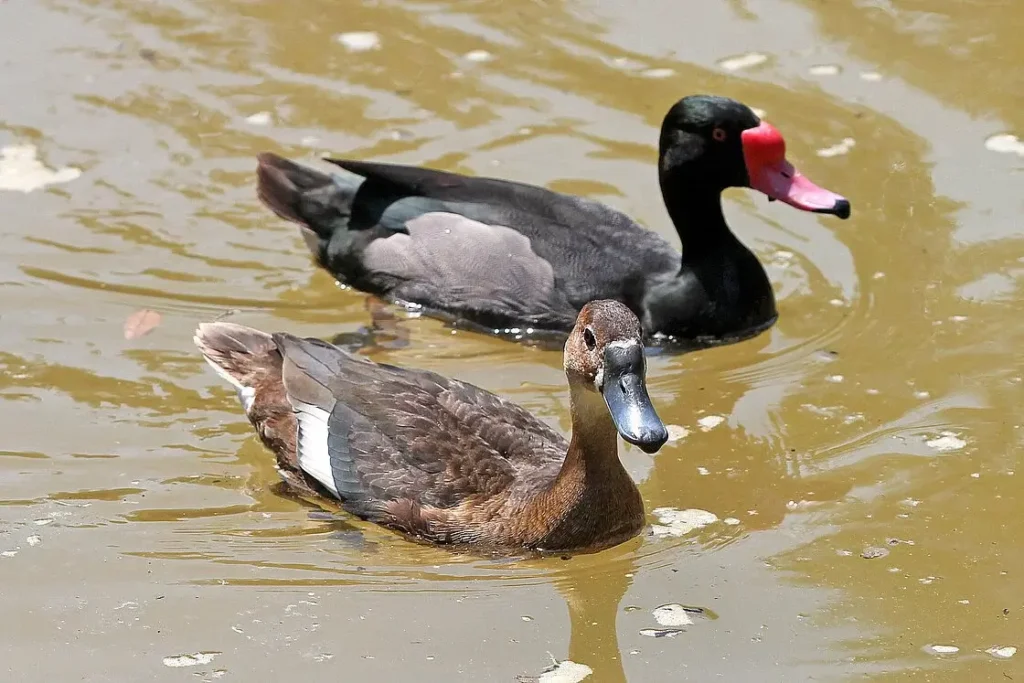
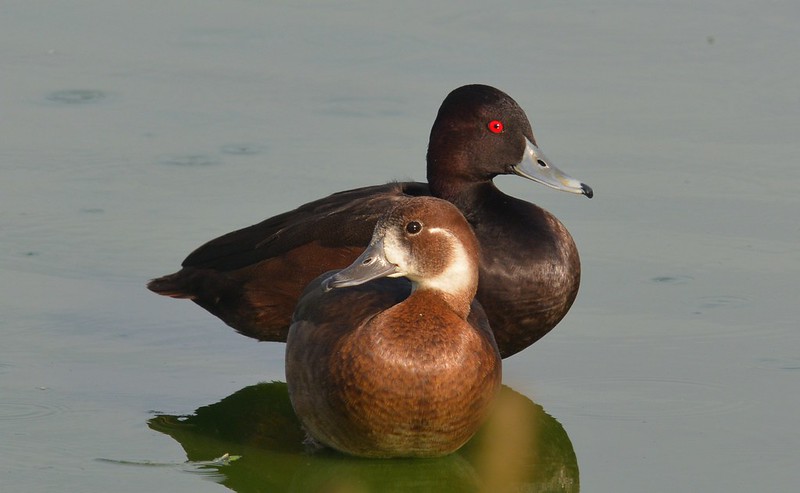
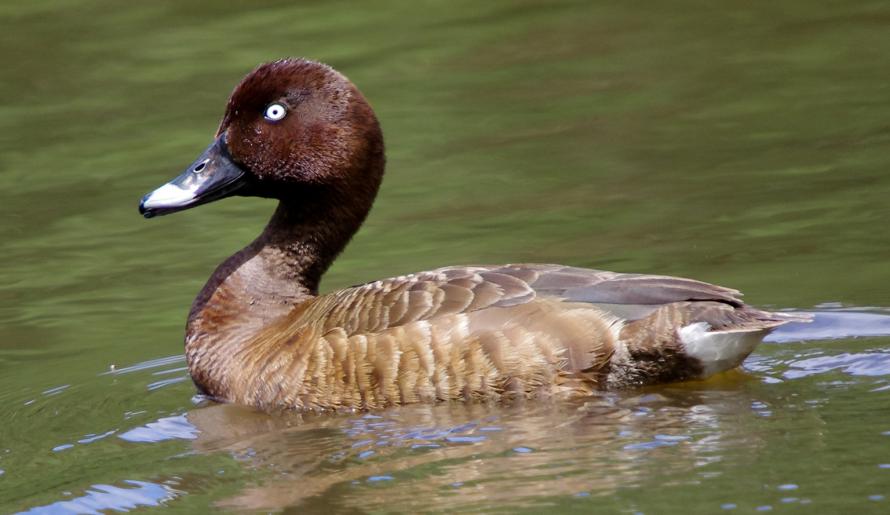
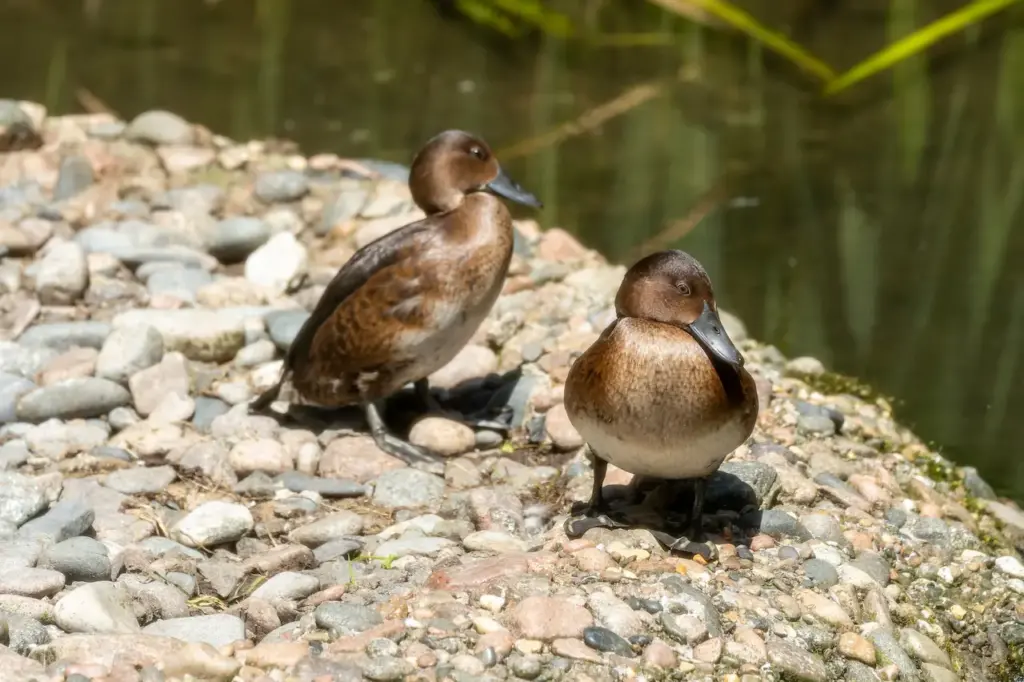
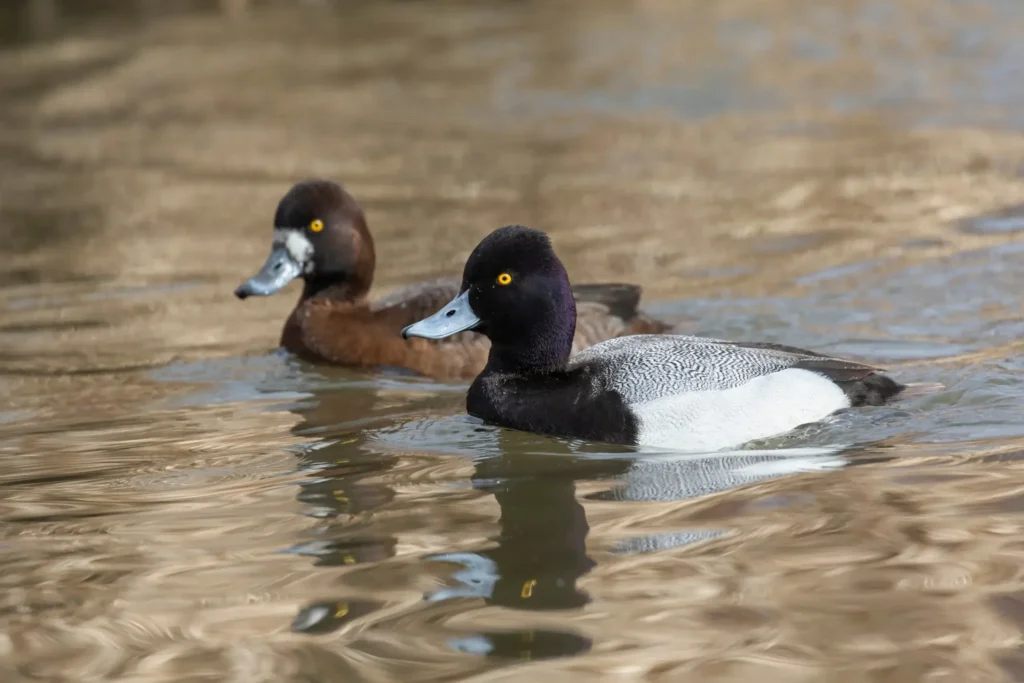
Pochards and scaups are a group of medium-sized diving ducks within the dabbling duck family. They are strong underwater foragers, typically found on lakes, bays, and large wetlands. These species are well-adapted for diving, feeding mainly on aquatic plants, seeds, and a variety of small aquatic animals such as mollusks and insects.


2. Sea Ducks (Subfamily Merginae)
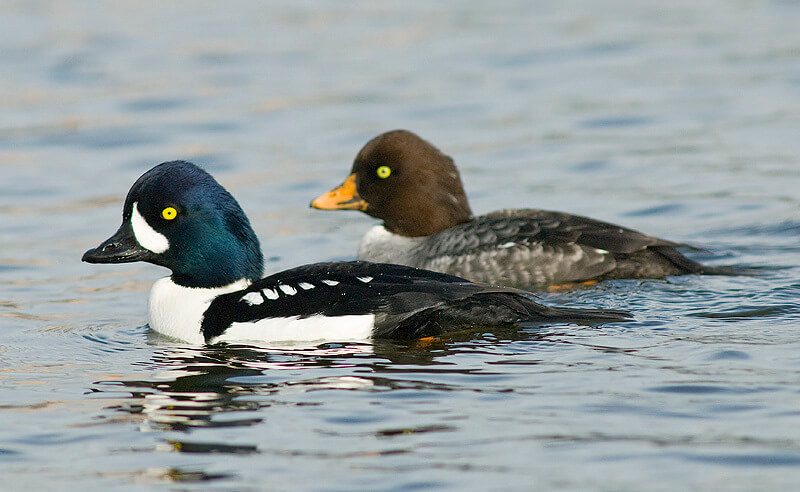
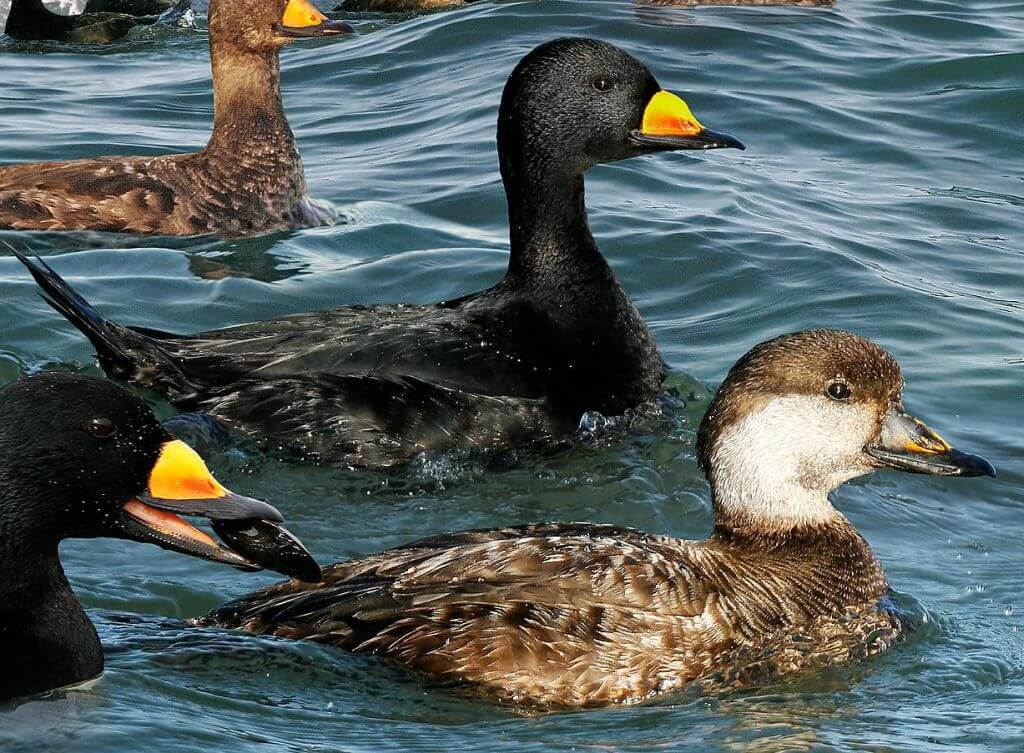
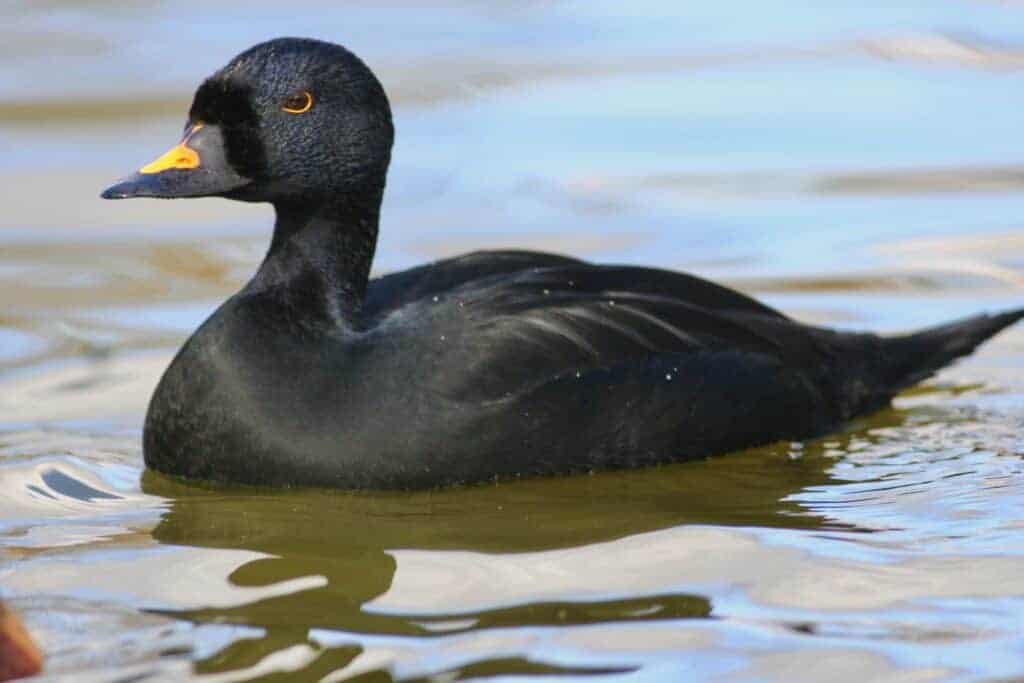
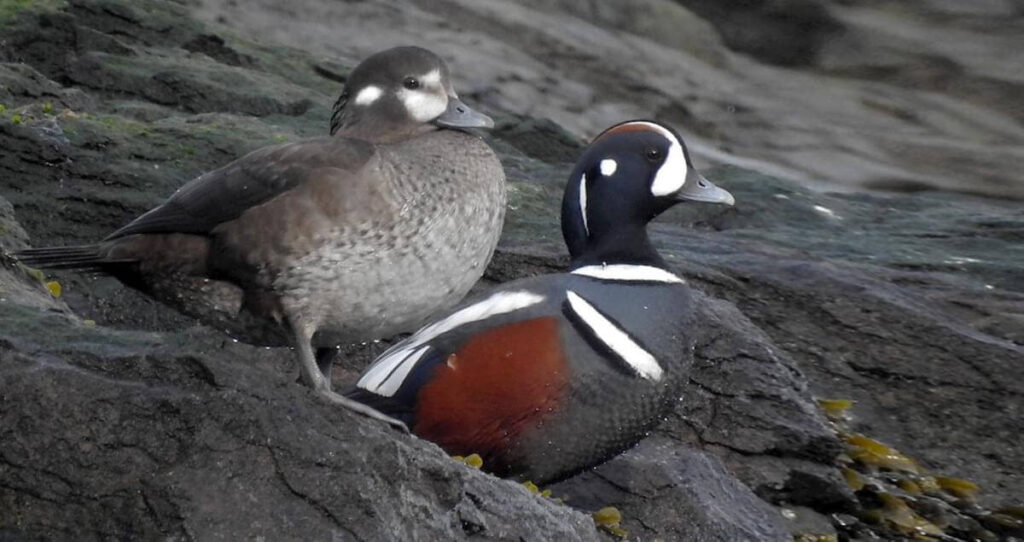
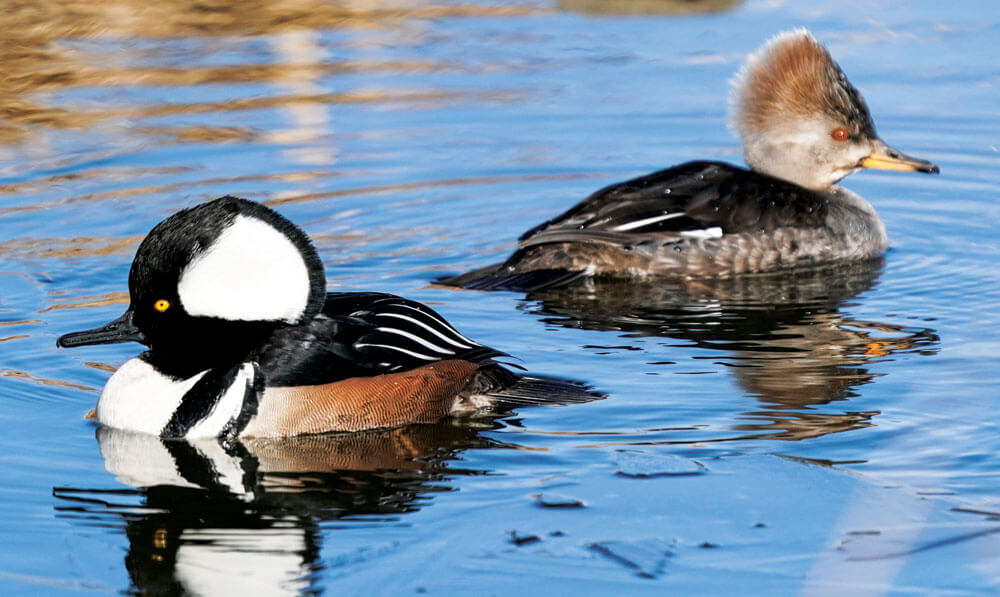
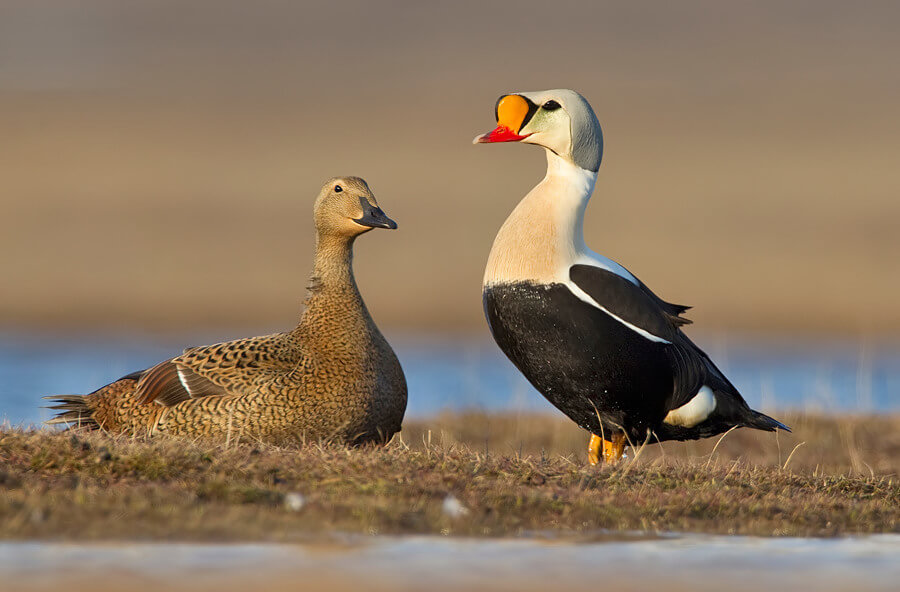
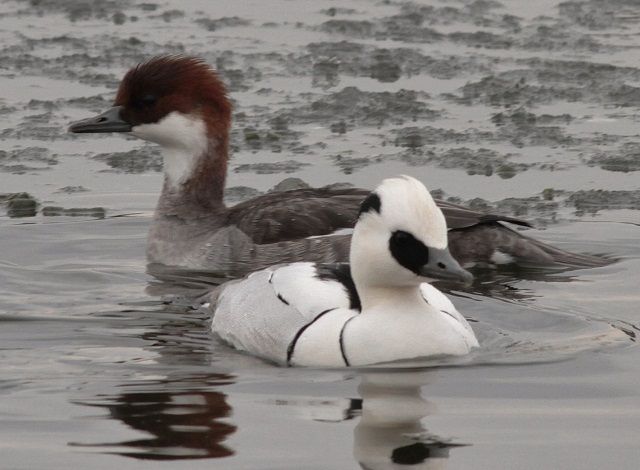
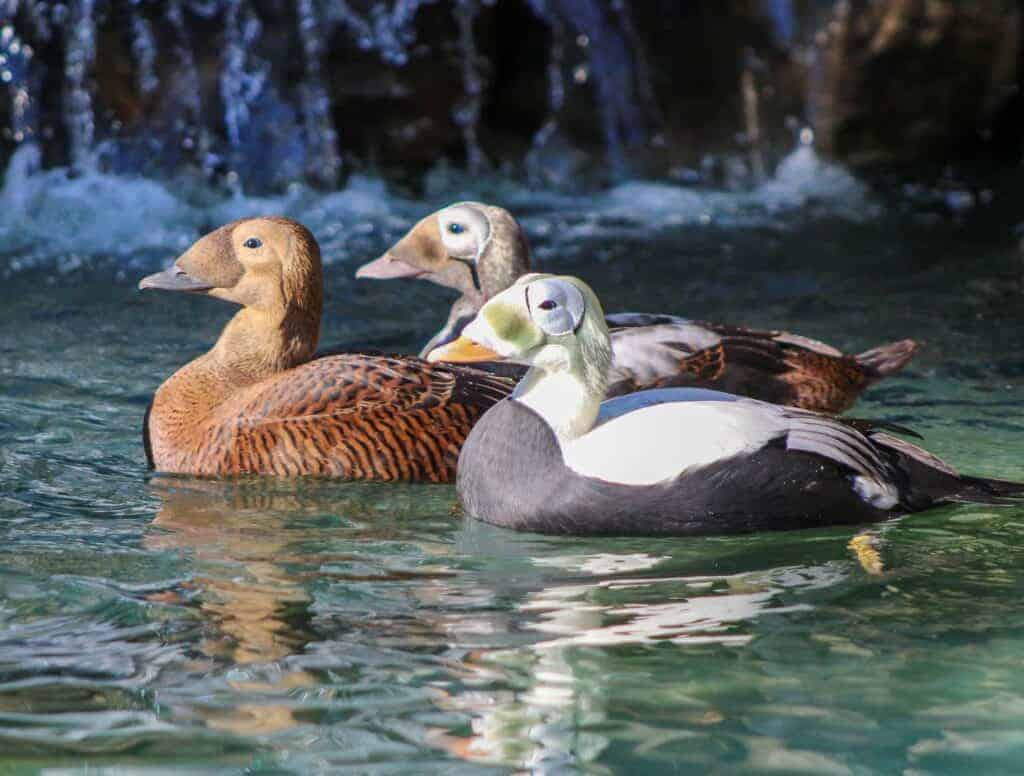
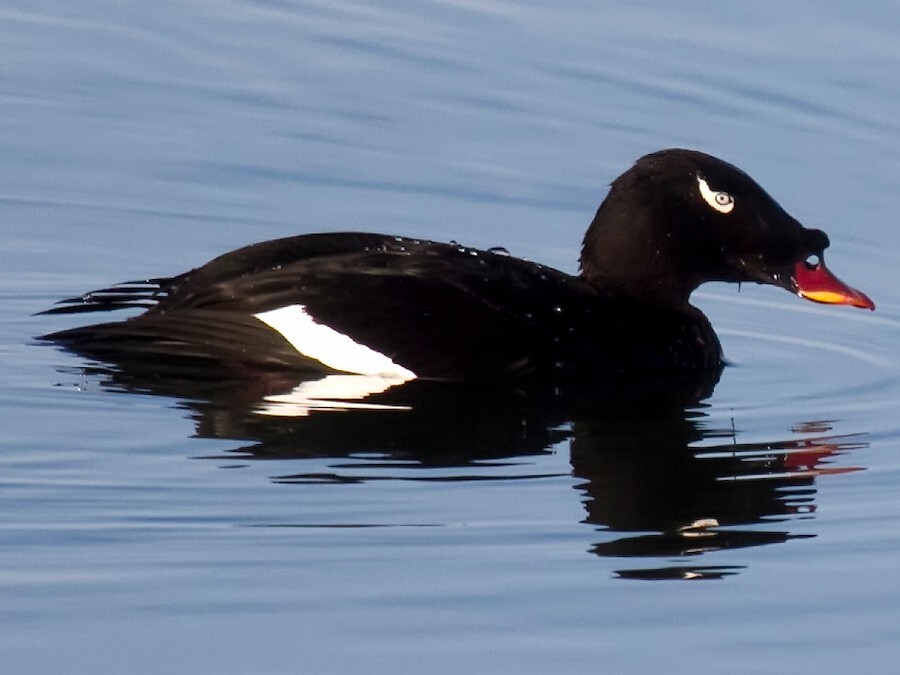
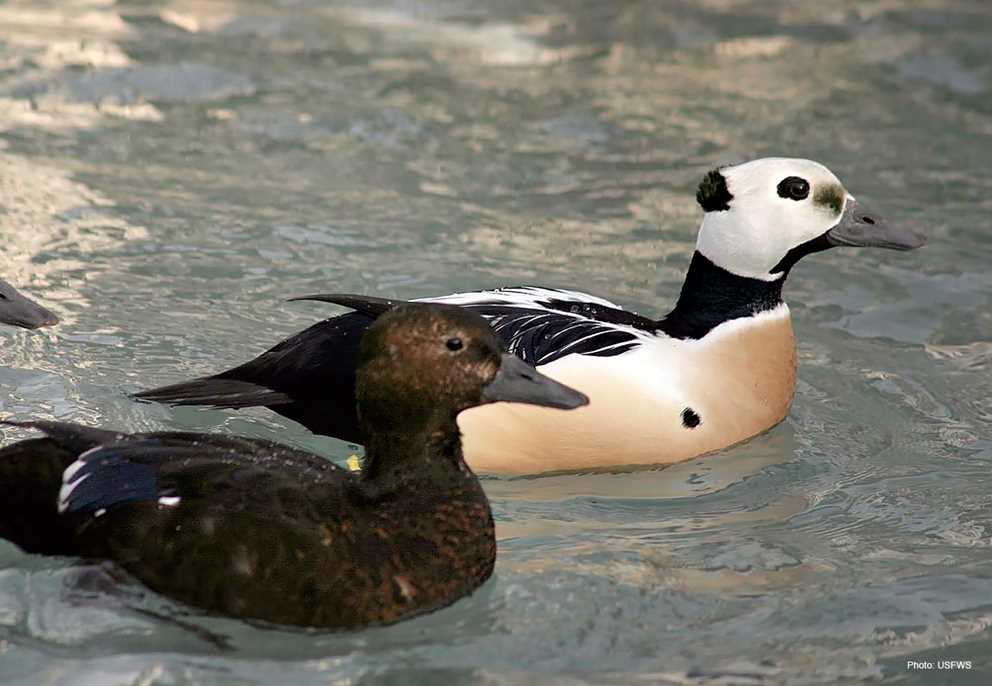
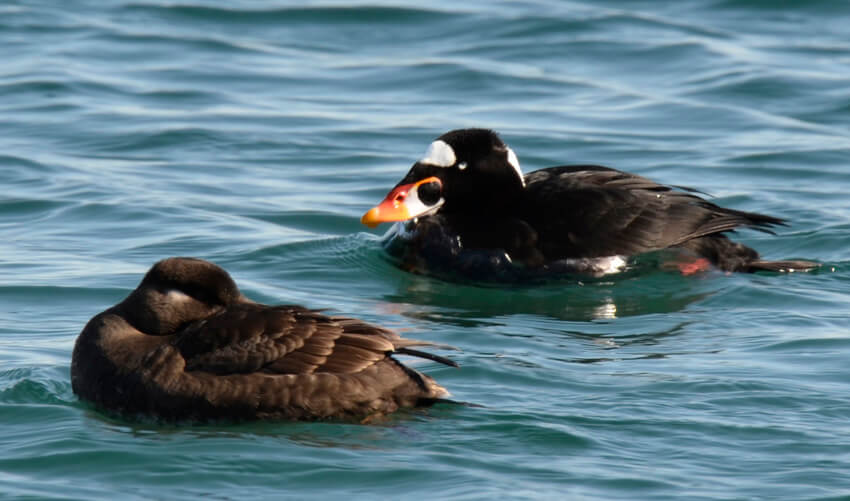
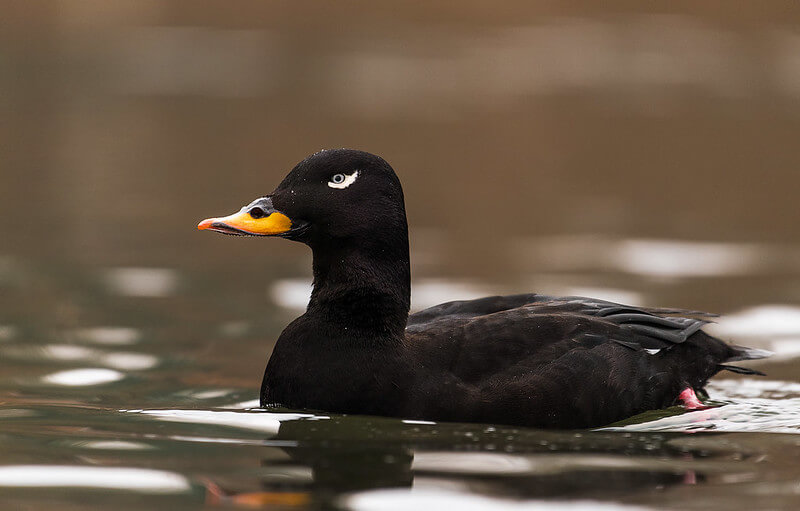
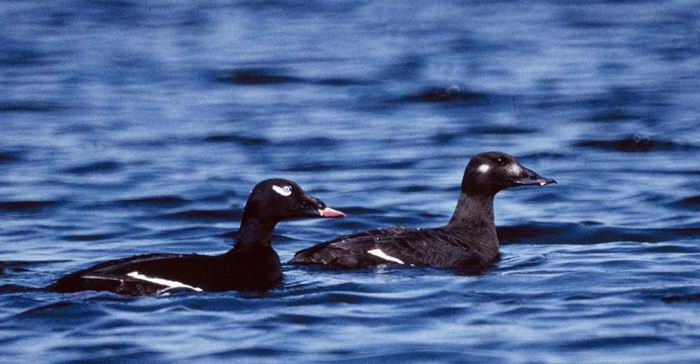
Sea ducks are a diverse group of diving ducks that are strongly associated with marine environments, especially coastal waters, bays, and open oceans. They are generally more robust than other diving ducks and are highly adapted to cold or rough water conditions. Their diet is often more animal-based, including mollusks, crustaceans, fish, and other marine invertebrates, which they obtain by diving to the seafloor or through the water column.
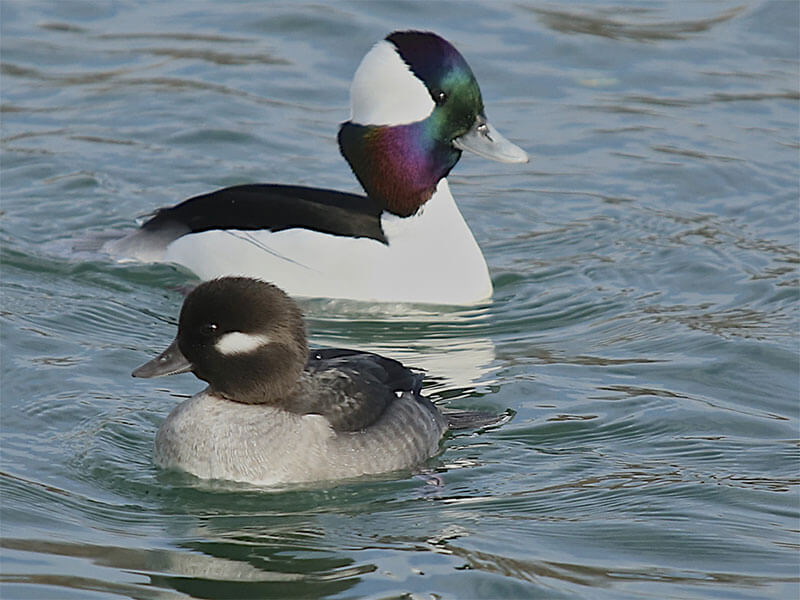
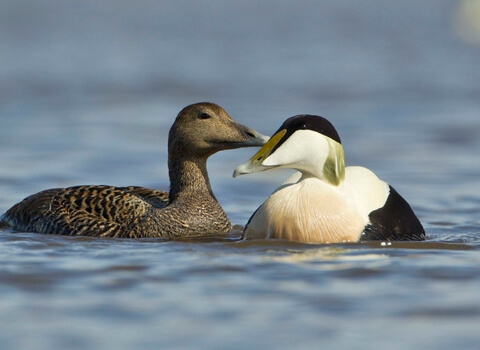
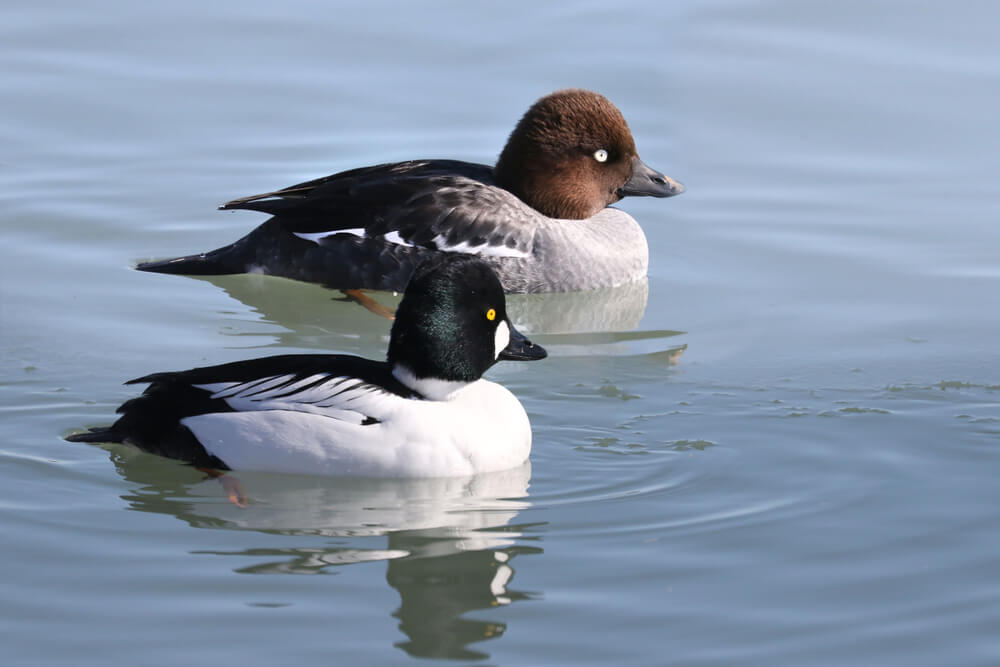
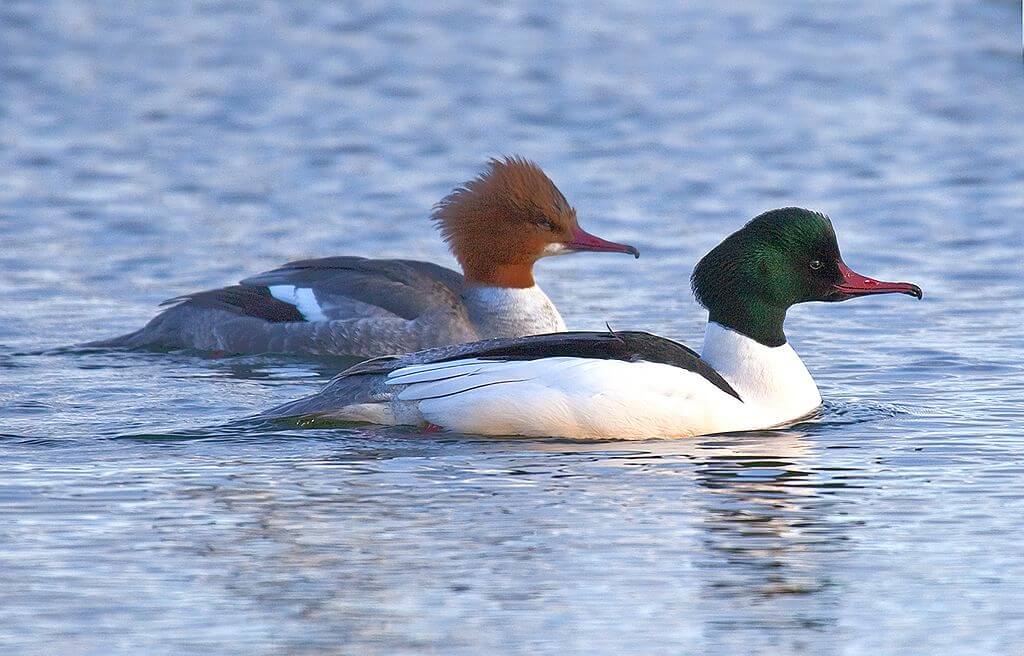
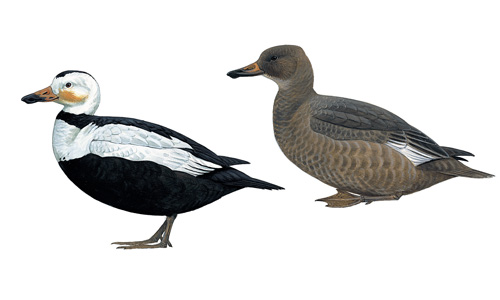

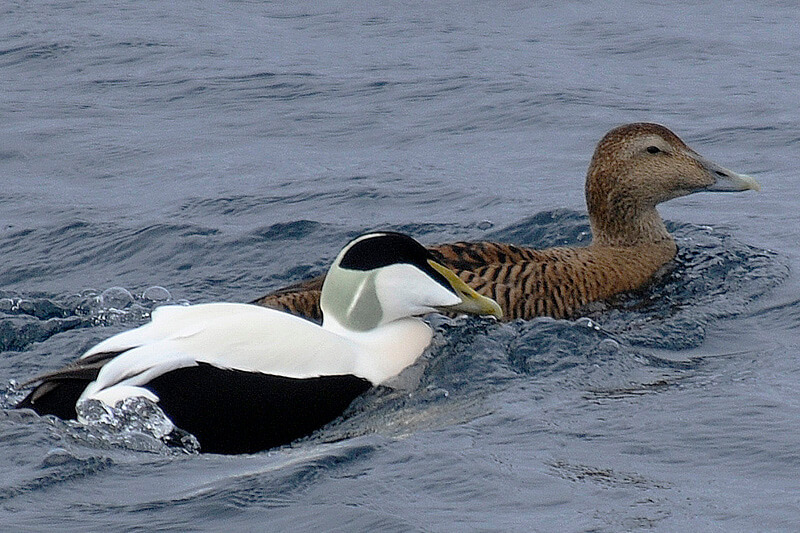
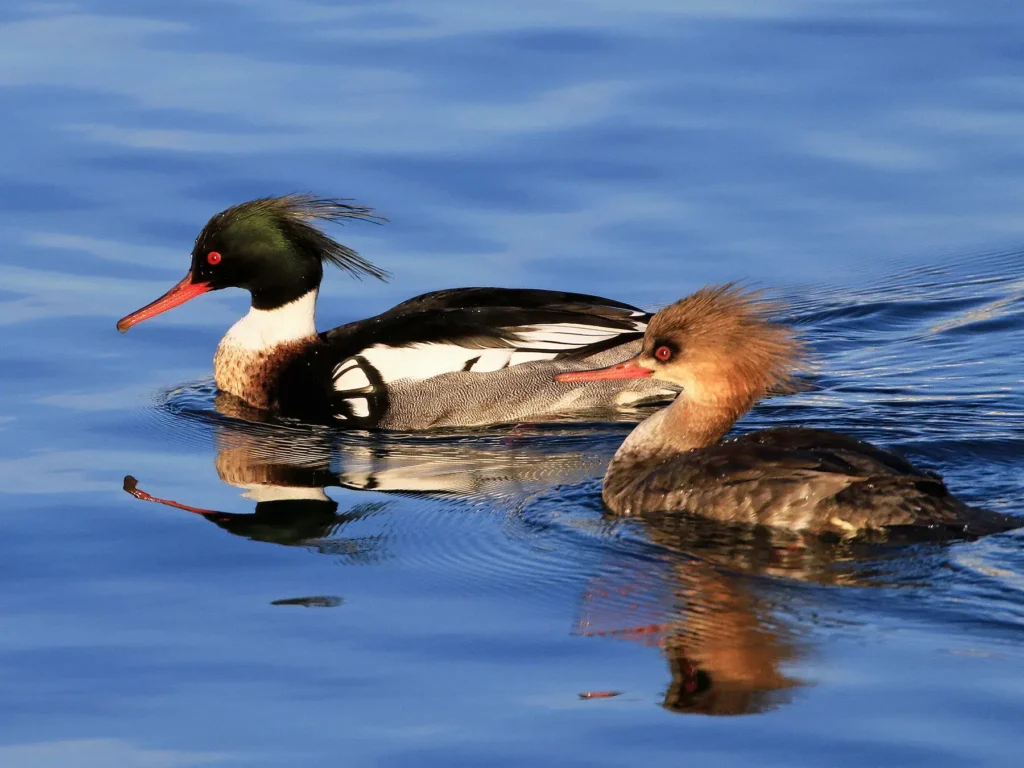
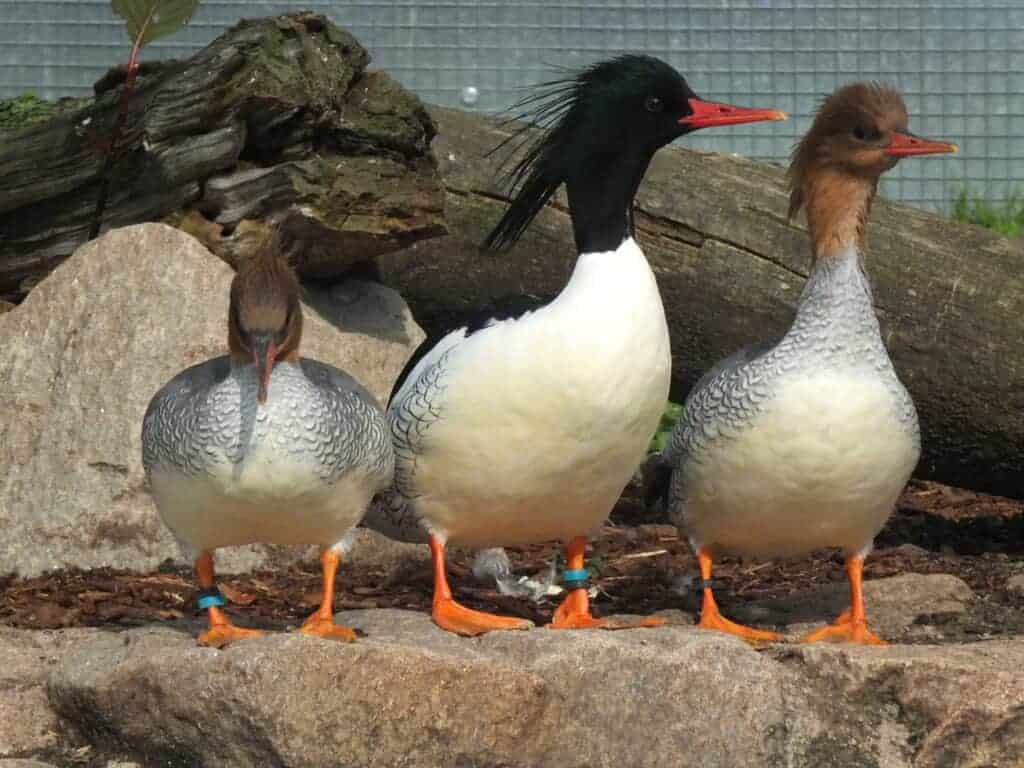
Stifftails (Subfamily Oxyurinae)
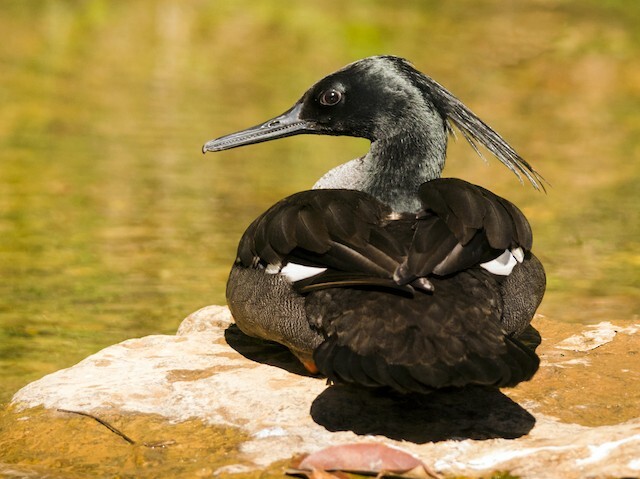
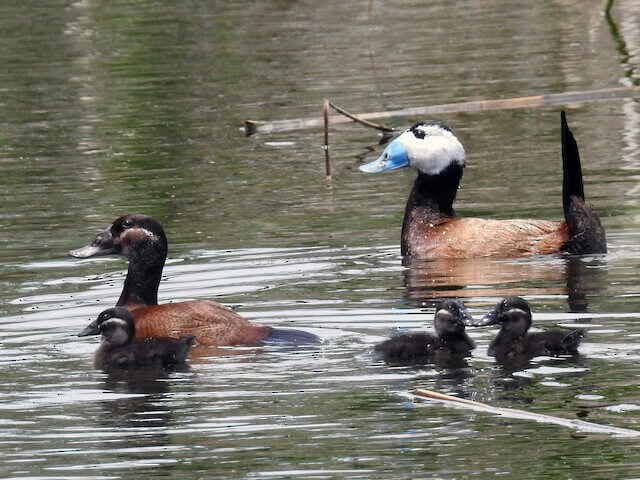
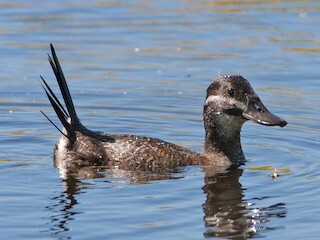
Stifftails are a distinctive group of diving ducks known for their long, stiff tail feathers, which they often hold upright while resting on the water. They are strong divers with compact bodies and large feet that are used for underwater propulsion. Their feeding habits vary by species but typically include aquatic plants, seeds, and small invertebrates, which they gather through active diving in freshwater habitats.


Discover duck species in other tribes:
What Are Diving Ducks?
Ducks are grouped into 2 major categories based on their feeding behaviors: dabbling and diving ducks.
Diving ducks, as their name suggest, are called so because of their ability to plunge beneath the surface to feed. Unlike dabbling ducks, which feed at or just below the water’s surface, diving ducks submerge completely, chasing aquatic plants, invertebrates, and small fish under the water.
They can be grouped further into groups or tribes such as pochards, scaups, or sea ducks, depending on their specific lineage, but all share the defining behavior of diving for their meals.
Their feeding method requires more energy than dabbling, which is reflected in their body structure and flight patterns. Diving ducks have legs set farther back on their bodies, providing powerful propulsion underwater but making them less agile on land. Diving ducks also have more streamlined, compact bodies and narrower wings, adaptations that help them move smoothly through the water and withstand pressure while searching for food below the surface.
Feeding and How They Dive
Diving ducks feed by fully submerging underwater, using their webbed feet to propel themselves and their wings for steering. They can stay underwater from 15 seconds up to nearly a minute, depending on the species and water depth. Some species, like the Canvasback or Redhead, specialize in feeding on submerged vegetation, while others, such as mergansers, hunt fish using narrow, serrated bills.
Many diving ducks also forage along the bottom of lakes or rivers, digging through mud or sediment to uncover roots, tubers, and invertebrates. Sea ducks, on the other hand, often dive in saltwater coastal habitats, feeding on mollusks, crustaceans, and other forms of marine life.
Migration and Flight
Many diving ducks are migratory, traveling long distances between breeding and wintering grounds. Northern breeders, like the Greater Scaup, migrate to coastal or southern lakes in winter.
Due to their body structure, diving ducks are strong fliers, but takeoff can be more challenging compared to dabblers. For instance, they cannot take off vertically like dabblers because of their short wings. Instead of taking off directly like dabbling ducks, diving ducks beat their wings vigorously while running across the water, using the surface as a makeshift runway to build enough speed for lift-off.
Recommended: 34 Migratory Ducks You Need to Know About
Conservation Status
The conservation status of diving ducks varies widely:
- Some species, like the Common Goldeneye or Tufted Duck, are abundant and widespread.
- Others, like the Madagascar Pochard or Baer’s Pochard, are critically endangered due to habitat loss, pollution, and hunting.
Efforts to conserve diving ducks include wetland protection, habitat restoration, and regulated hunting, particularly for migratory and coastal species. Sea ducks, which face threats from oil spills and climate change, have also become conservation priorities in many regions.
Quick Comparison Between Diving and Dabbling Ducks
| Feature | Diving Ducks | Dabbling Ducks |
|---|---|---|
| Body & Leg Placement | Legs set farther back, allowing strong propulsion underwater but making walking on land awkward | Legs closer to the center, making walking on land easier and more balanced |
| Flight & Takeoff | Require a running start across the water to gain lift due to heavier, compact bodies | Can take off directly from the water without a run |
| Bill Shape & Feeding | Narrower or pointed bills for grasping plants, invertebrates, or small fish underwater | Broad, flat bills for surface feeding and straining small plants, seeds, and insects |