
55 Types of Dabbling Ducks
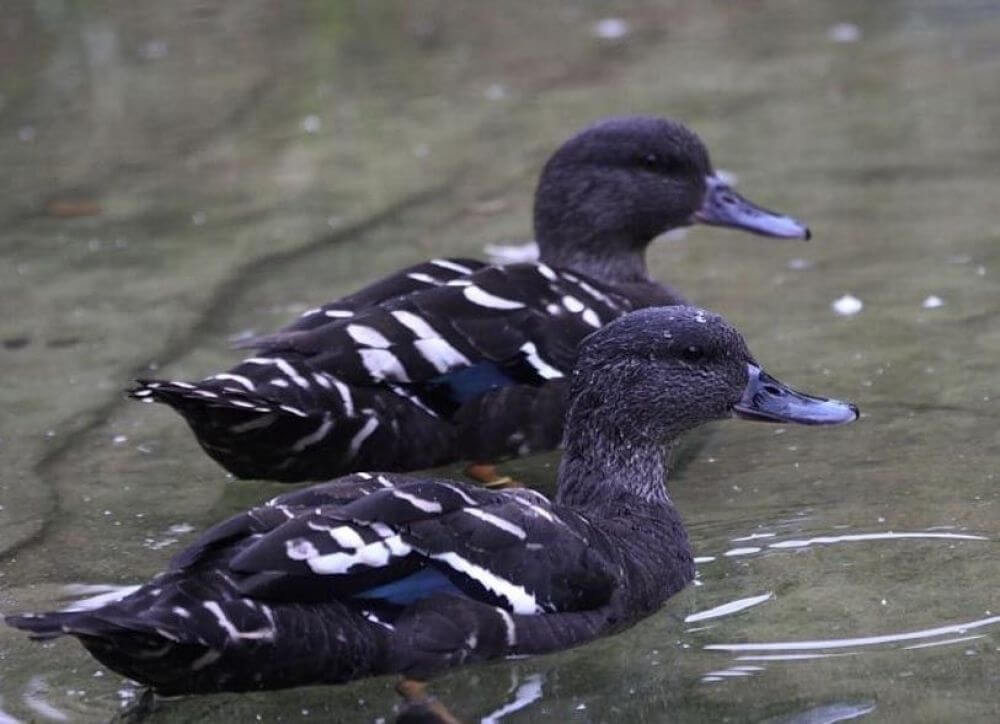
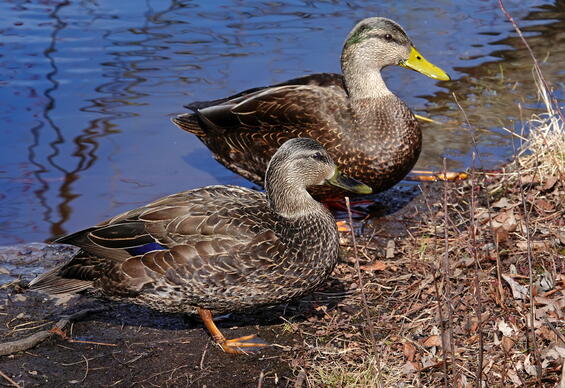
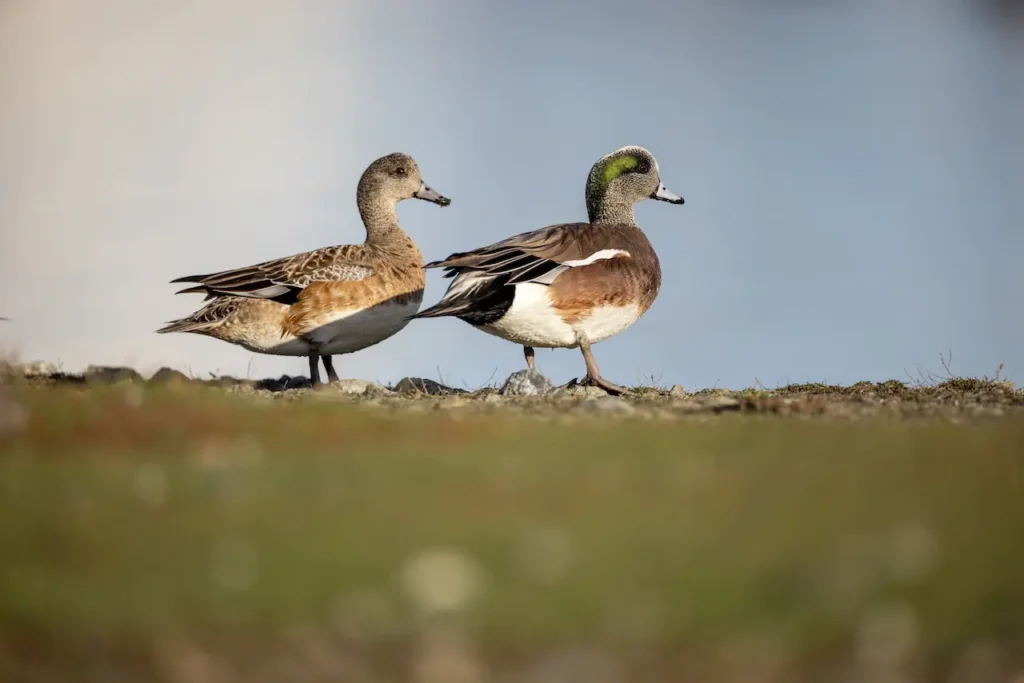
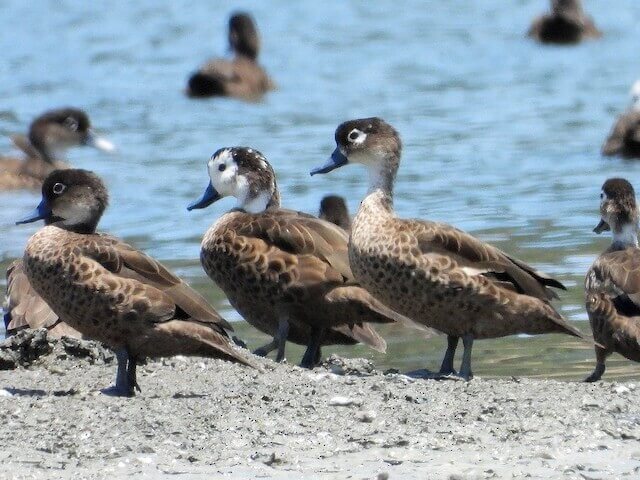
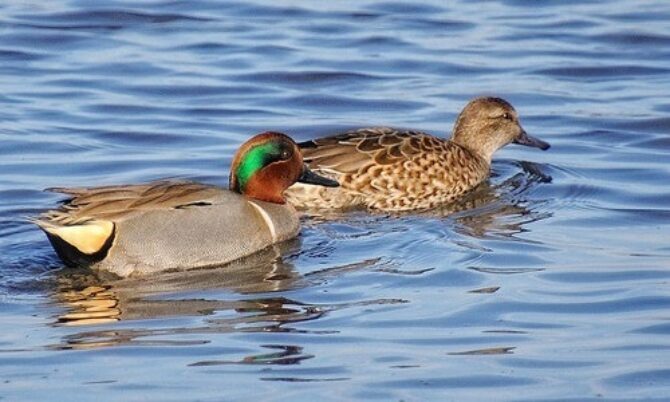
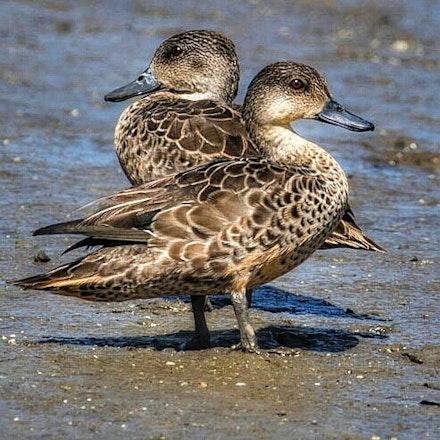
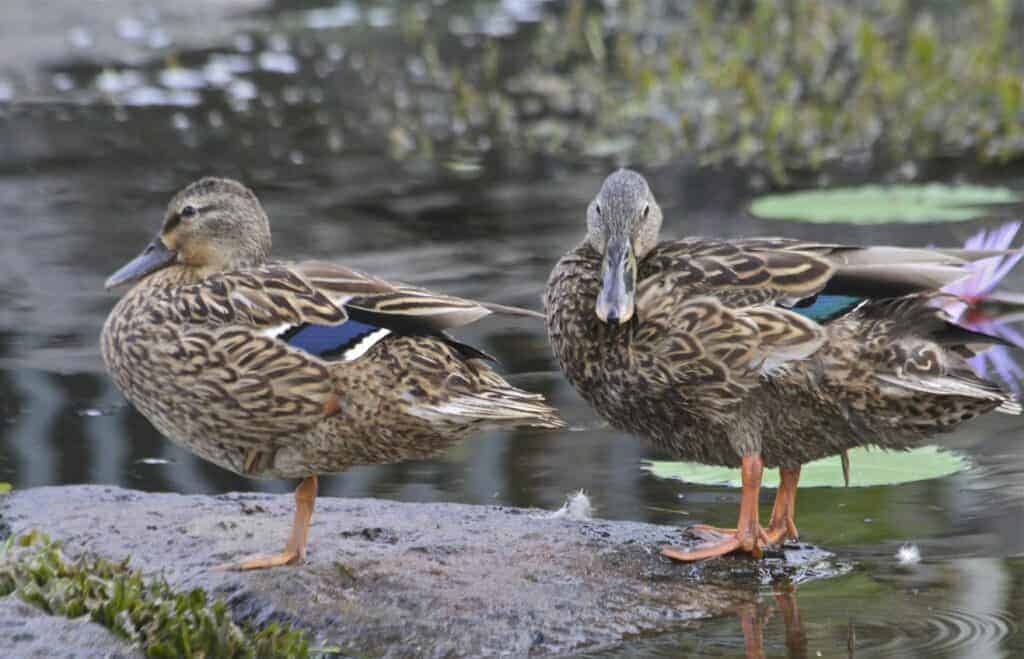
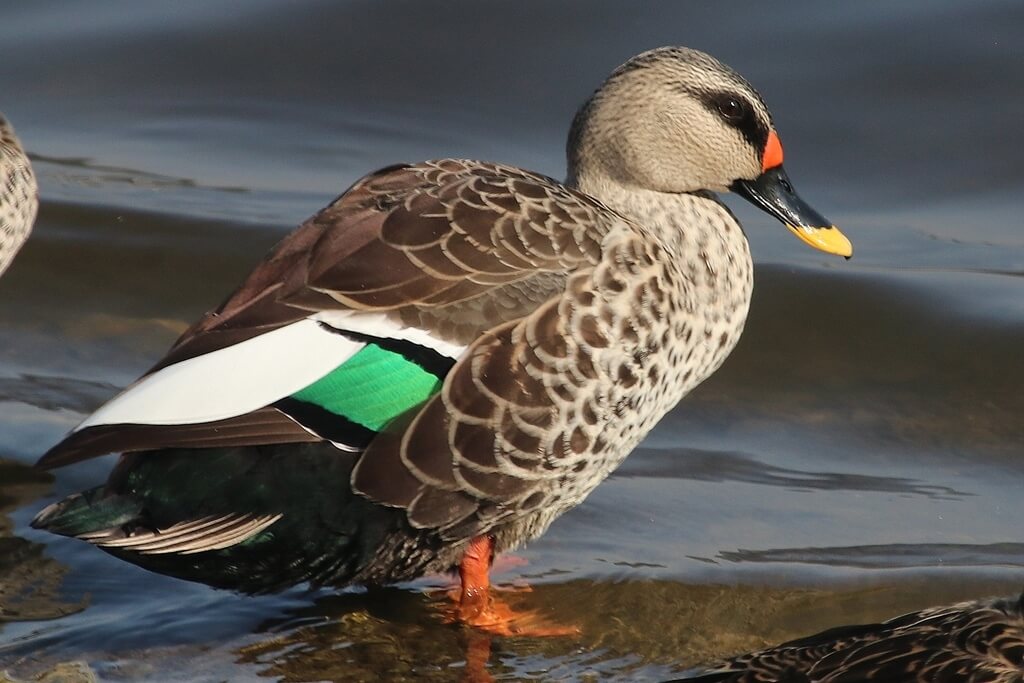
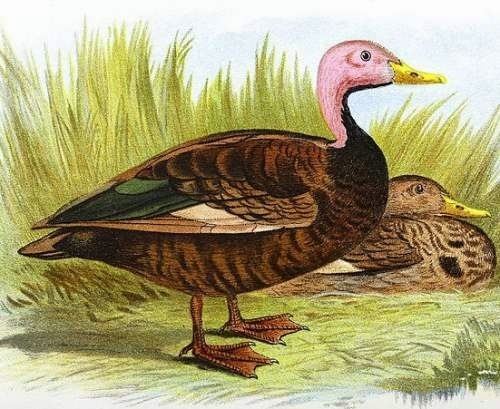
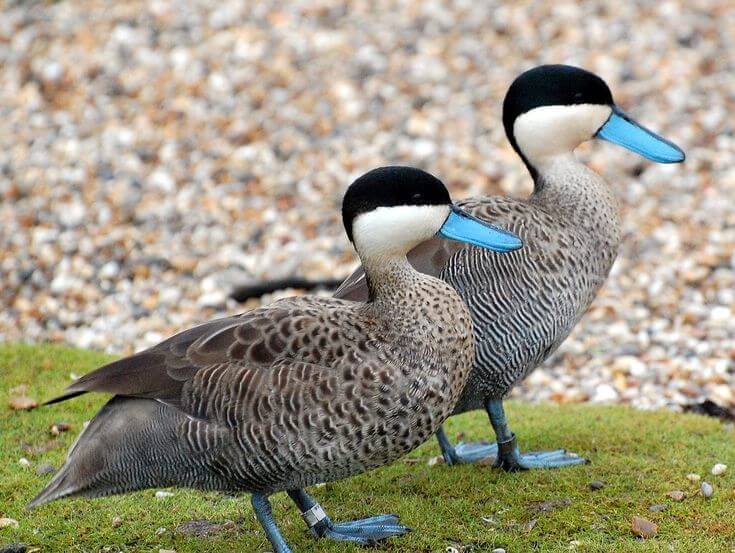
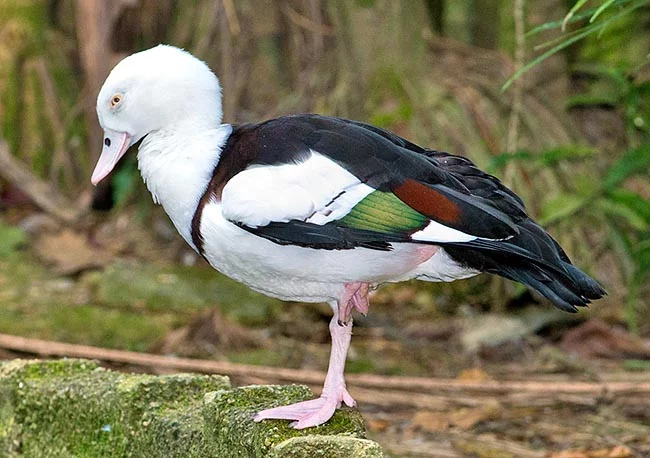
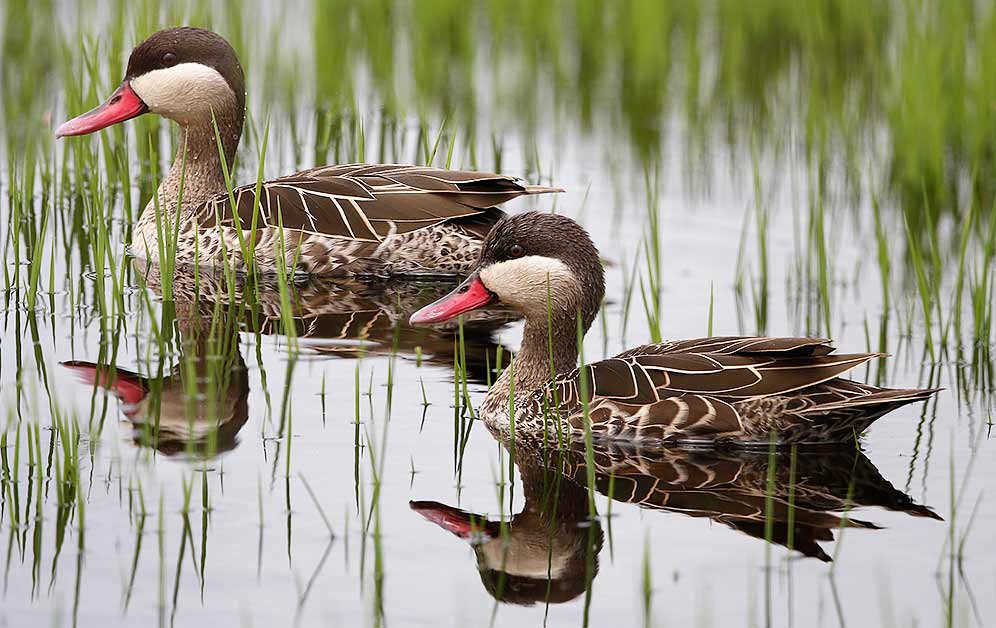
There are roughly 50 to 60 recognized species of dabbling ducks belonging to the subfamily Anatinae. Below is a list (in alphabetical order) of the 55 most commonly common species from around the world.
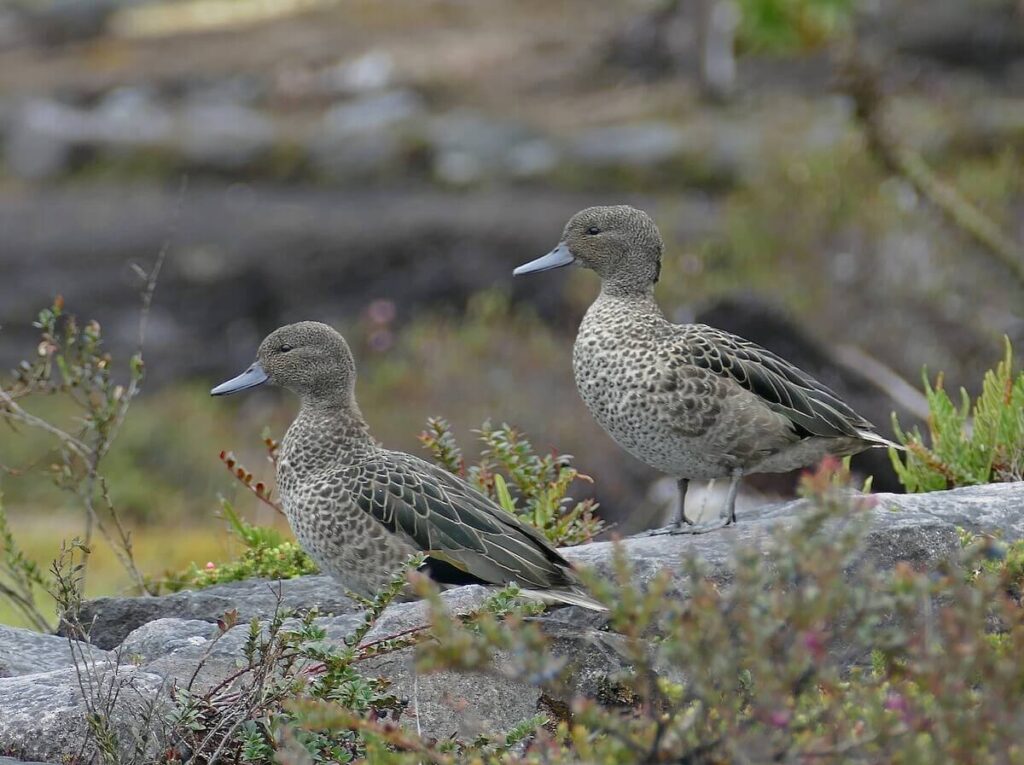
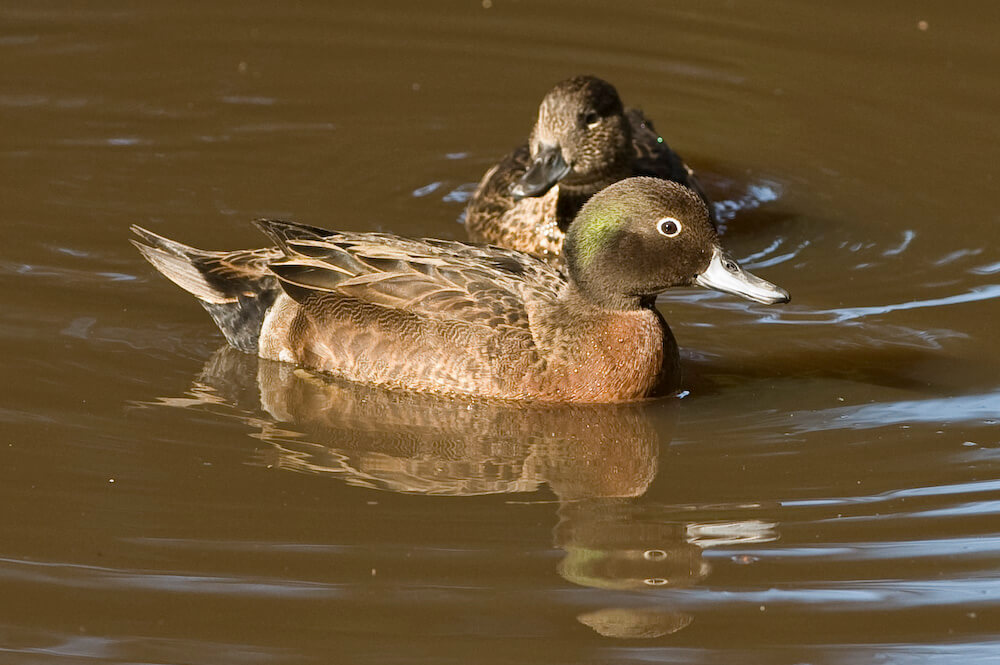

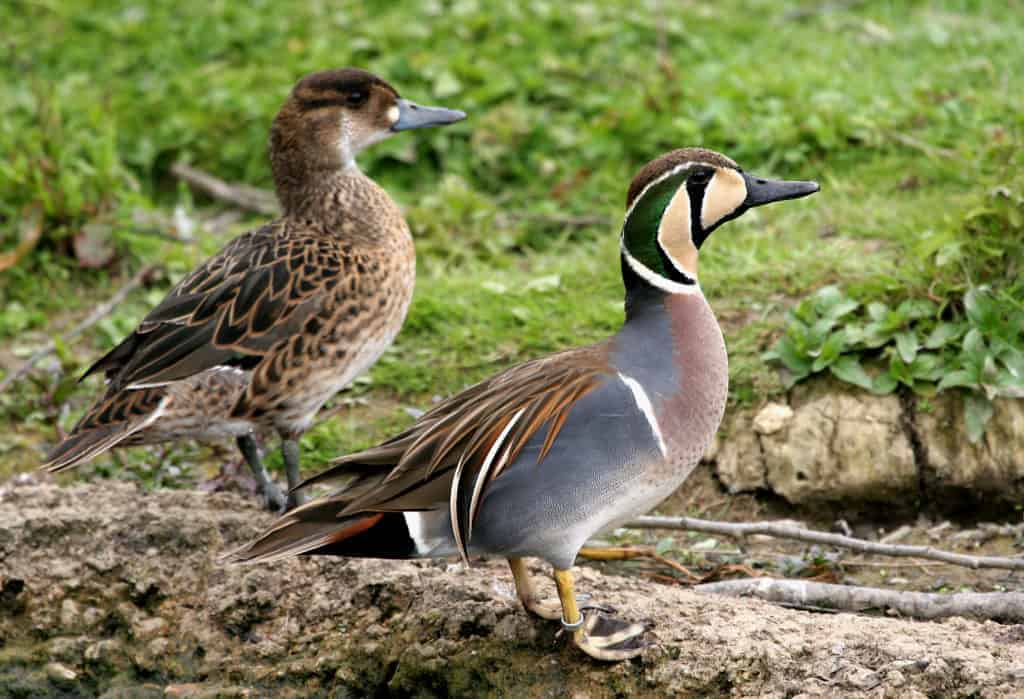
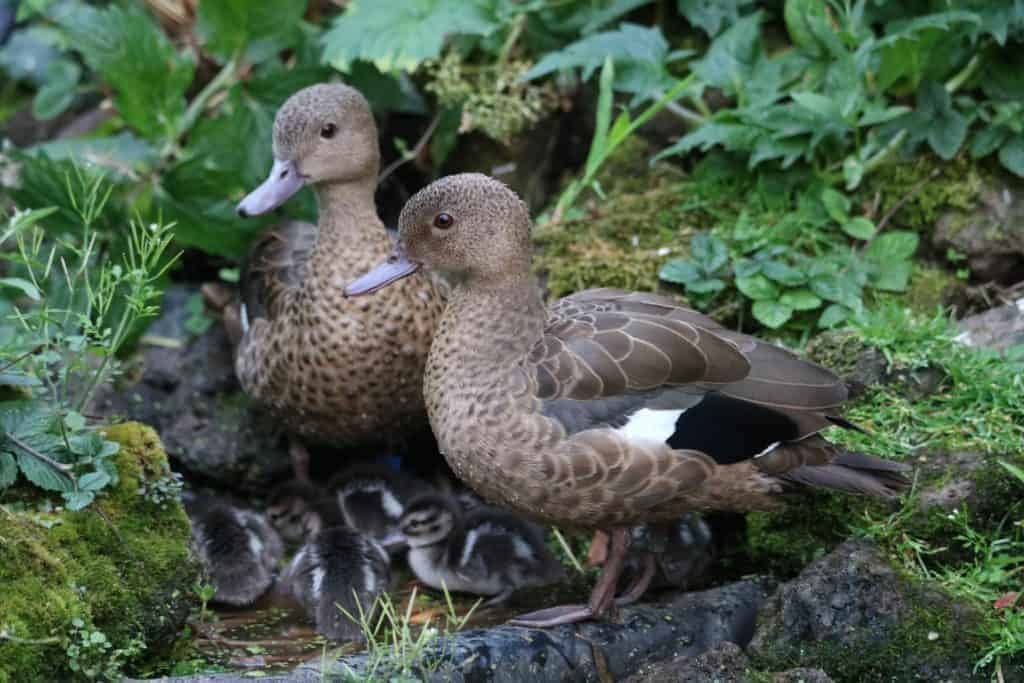
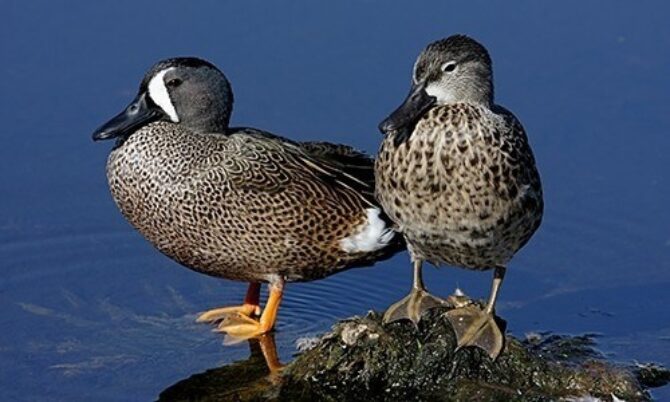
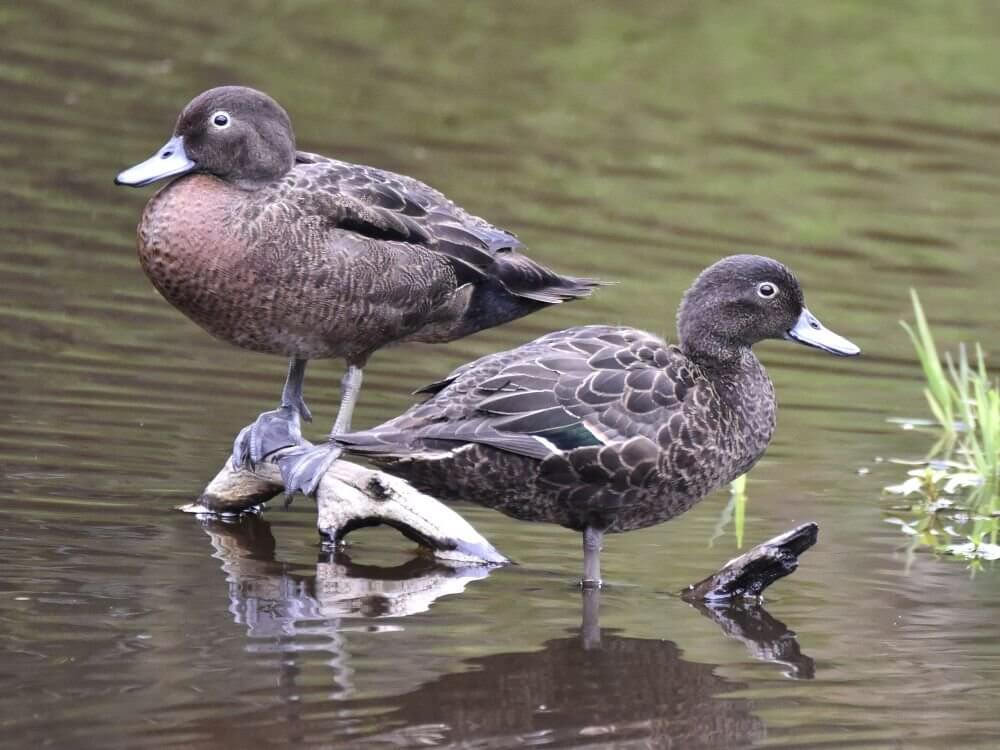
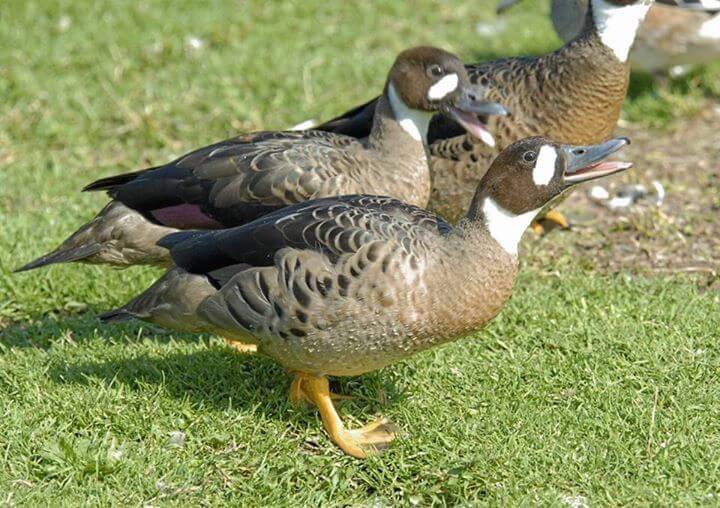
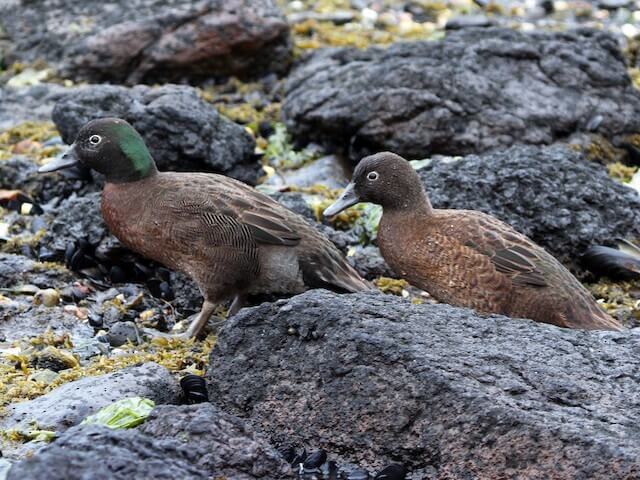

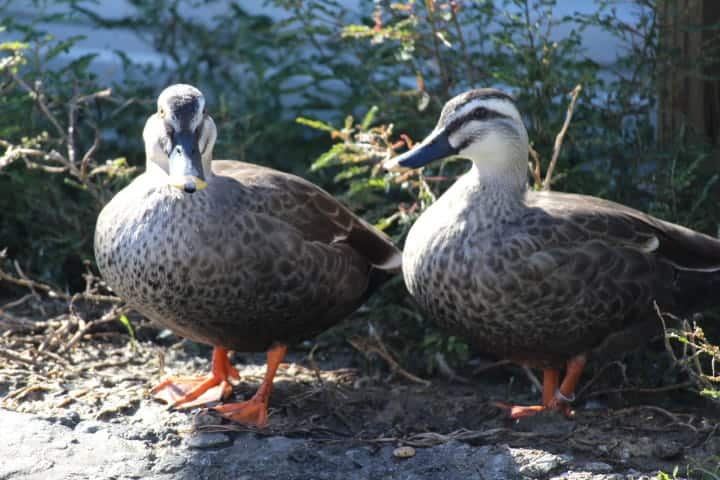

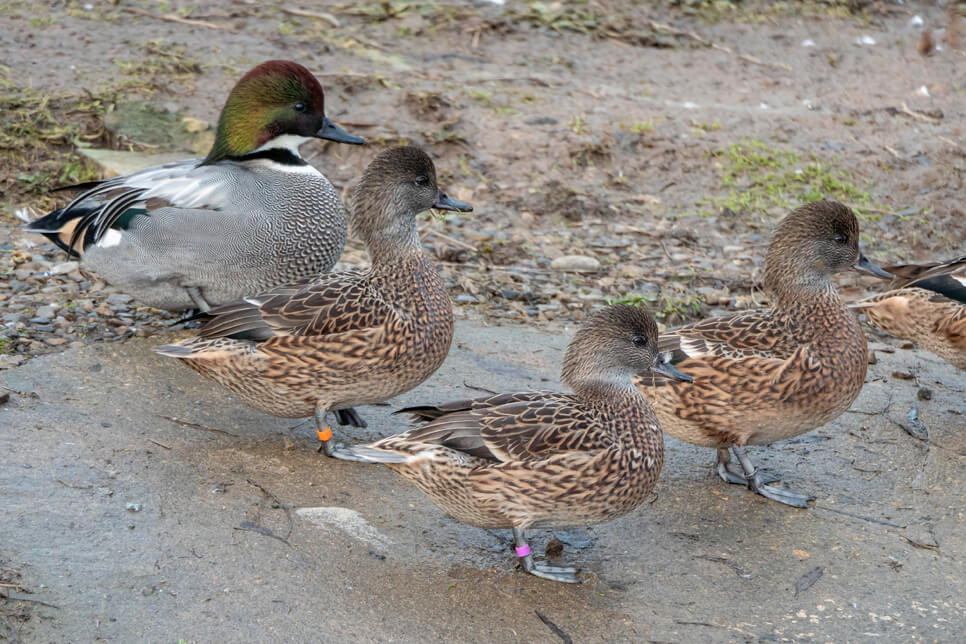
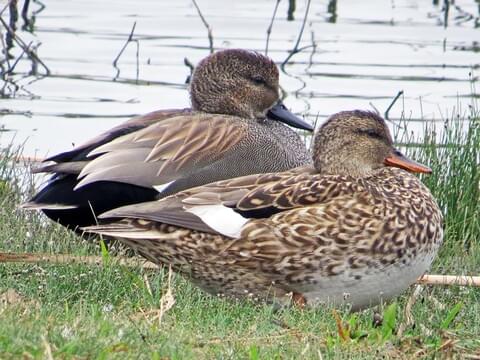
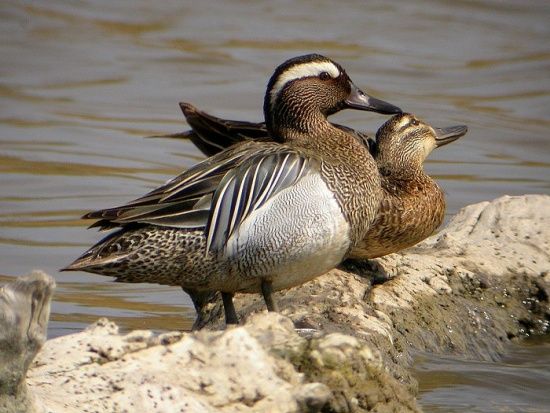
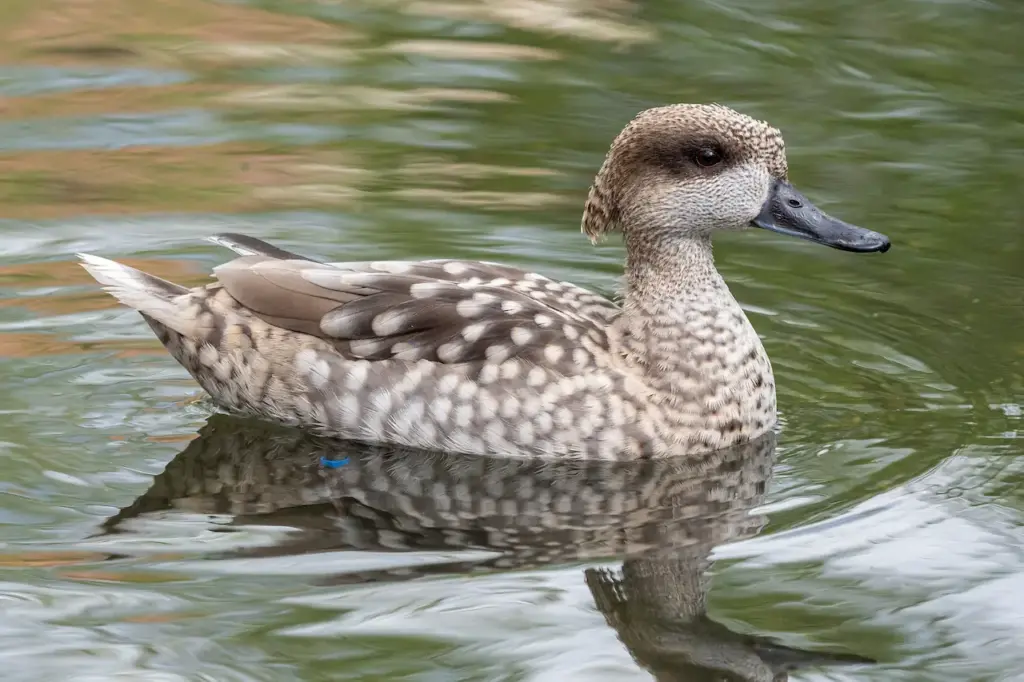
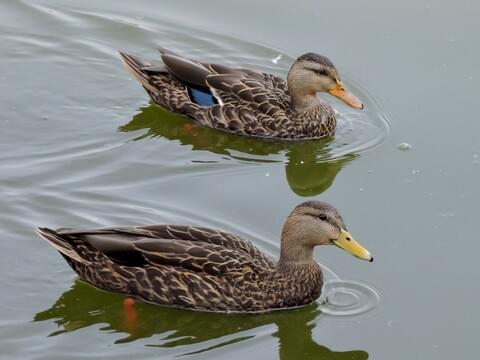
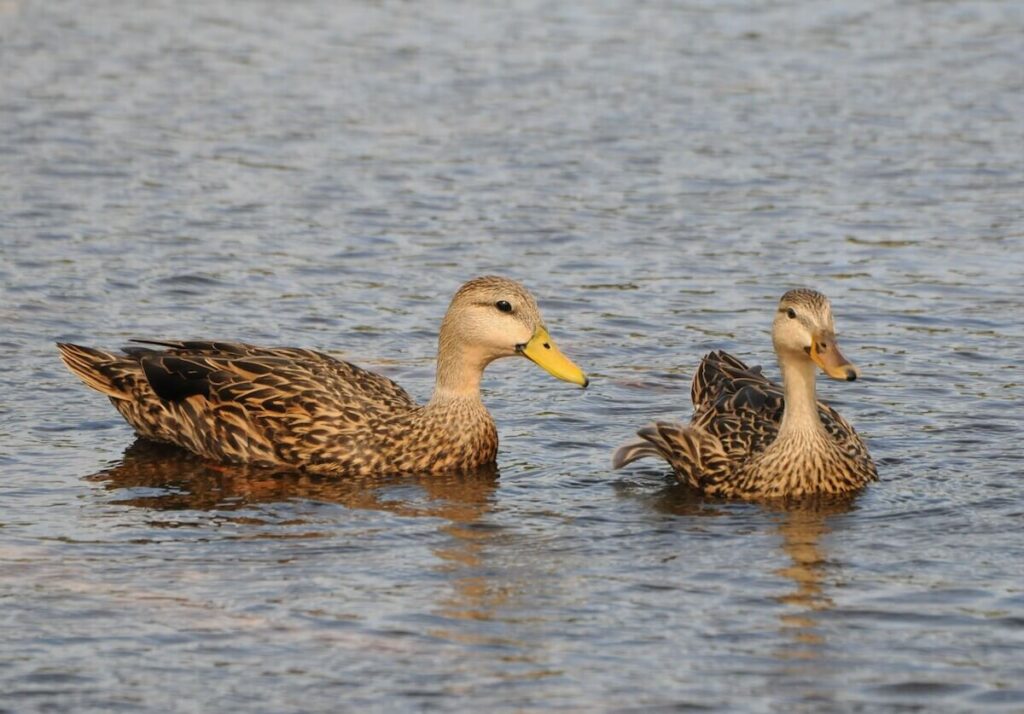
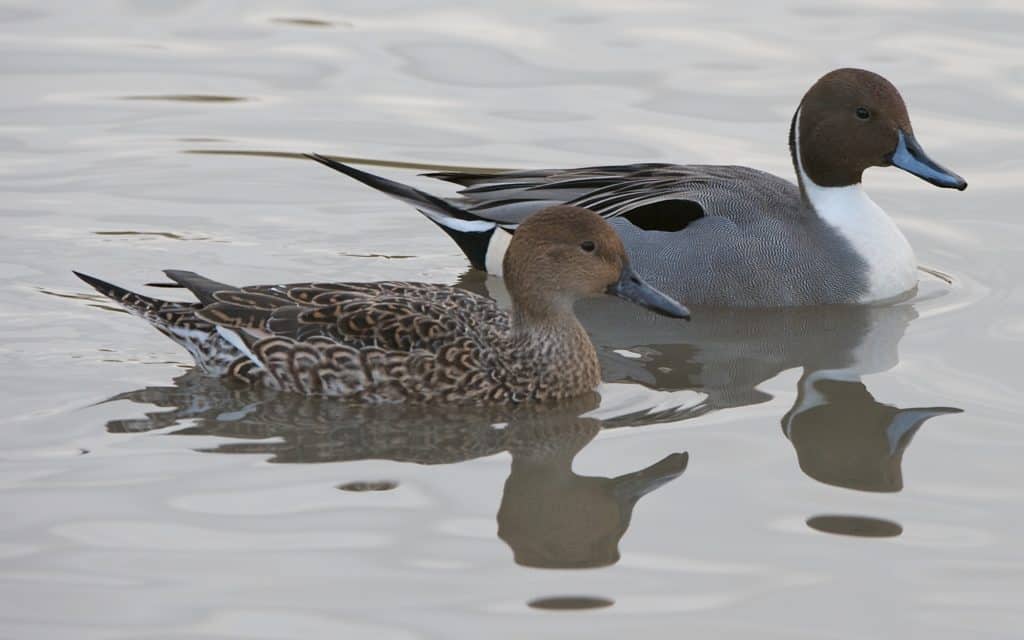

Discover duck species in other tribes:
What Are Dabbling Ducks?
Dabbling ducks, often called puddle ducks, are among the most familiar sights in wetlands, ponds, and flooded meadows. They’re named for their feeding behavior—dabbling—which means they feed at or near the surface rather than diving underwater. Instead of plunging beneath the surface, these ducks tip forward with their tails sticking up, reaching plants, seeds, and small creatures just below the waterline.
Unlike diving ducks that need to run across the water before takeoff, dabbling ducks can spring straight into the air. Their tails are often held clear of the water as they swim, giving them a distinct, buoyant silhouette that’s easy to recognize.
Duck Identification Posters/Charts
Celebrate the beauty of ducks with detailed, high-resolution identification posters designed for both learning and decor. Each chart features vibrant colors, sharp details, and a smooth premium finish that’s perfect for classrooms, study spaces, living rooms, or offices.

Habitats and Feeding
Dabbling ducks prefer shallow freshwater habitats such as marshes, ponds, and flooded fields. Their feeding style suits areas where vegetation and aquatic life are abundant near the surface. Because their legs are positioned closer to the center of their body (unlike diving ducks whose legs sit farther back), dabblers can walk easily on land to graze as well.
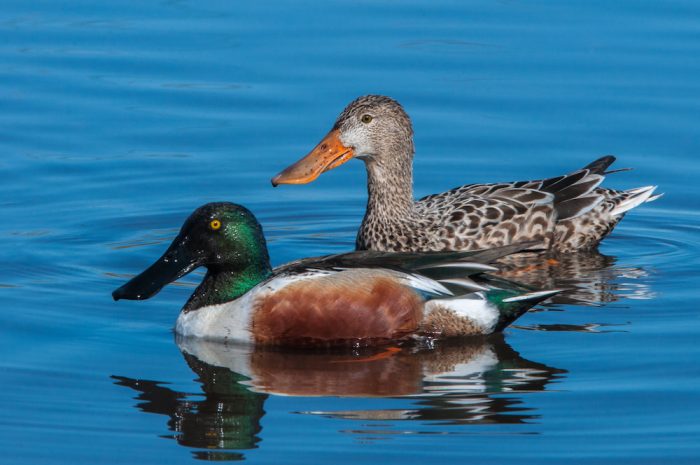
Most species have broad, flat bills designed for straining small plants, insects, and seeds from the water. Some, like the Northern Shoveler, have spoon-shaped bills that help them filter food particles efficiently while swimming.
Migration and Flight
Dabbling ducks are strong, capable fliers. Species that breed in northern regions migrate south for the winter, covering thousands of miles between seasonal habitats. Their powerful wings allow them to take off directly from the water—an impressive feat that distinguishes them from diving ducks, which must run across the surface to gain lift.
Recommended: 34 Migratory Ducks You Need to Know About


