
Perching Ducks: 17 Arboreal Duck Species You Should Know
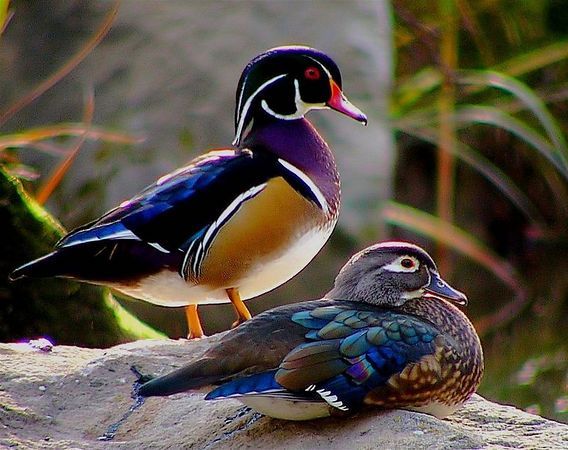
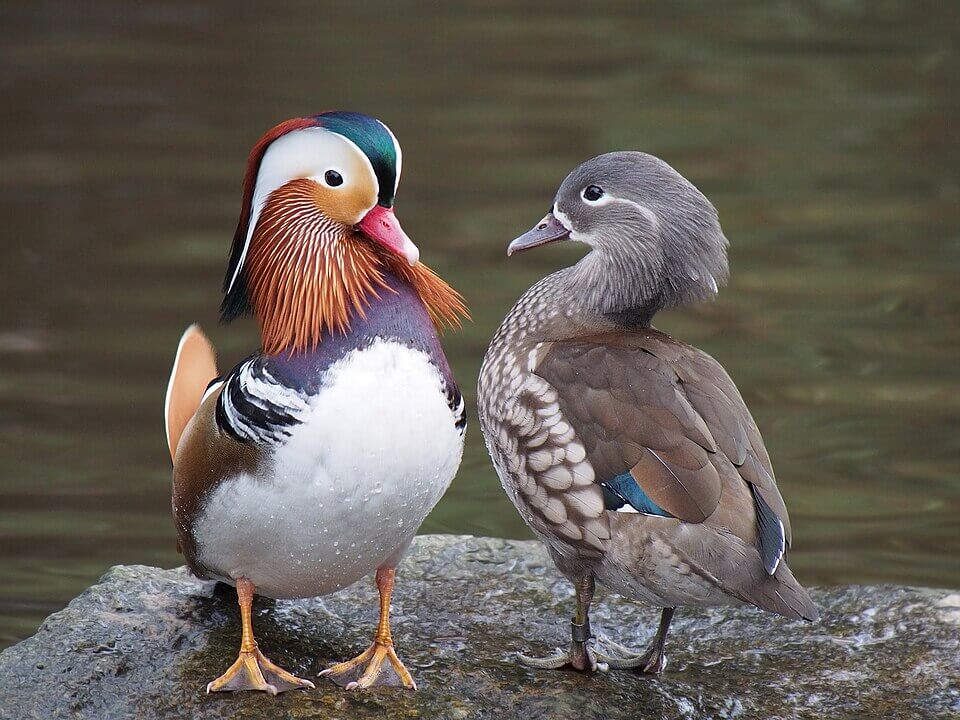
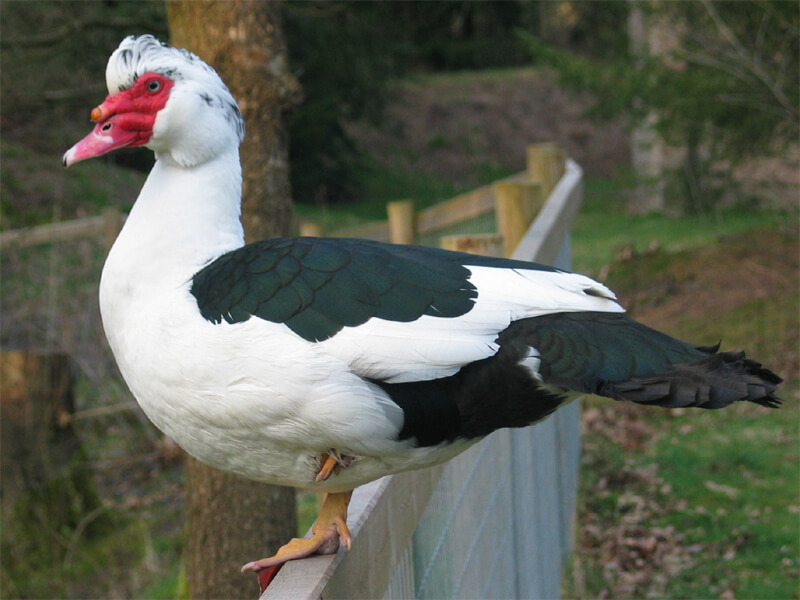
Perching ducks are a group of waterfowl historically recognized for their ability to perch in trees and wooded habitats. Most species were formerly placed in the Cairinini tribe within the duck family Anatidae, though some are now classified in other groups based on more recent taxonomic studies. These ducks vary widely in size and appearance, but many are notable for their colorful plumage, agile flight, and unique adaptations for life among forests and wetlands.
Below is a list of the most notable perching duck species found across lakes, rivers, wetlands, and forested habitats around the world.
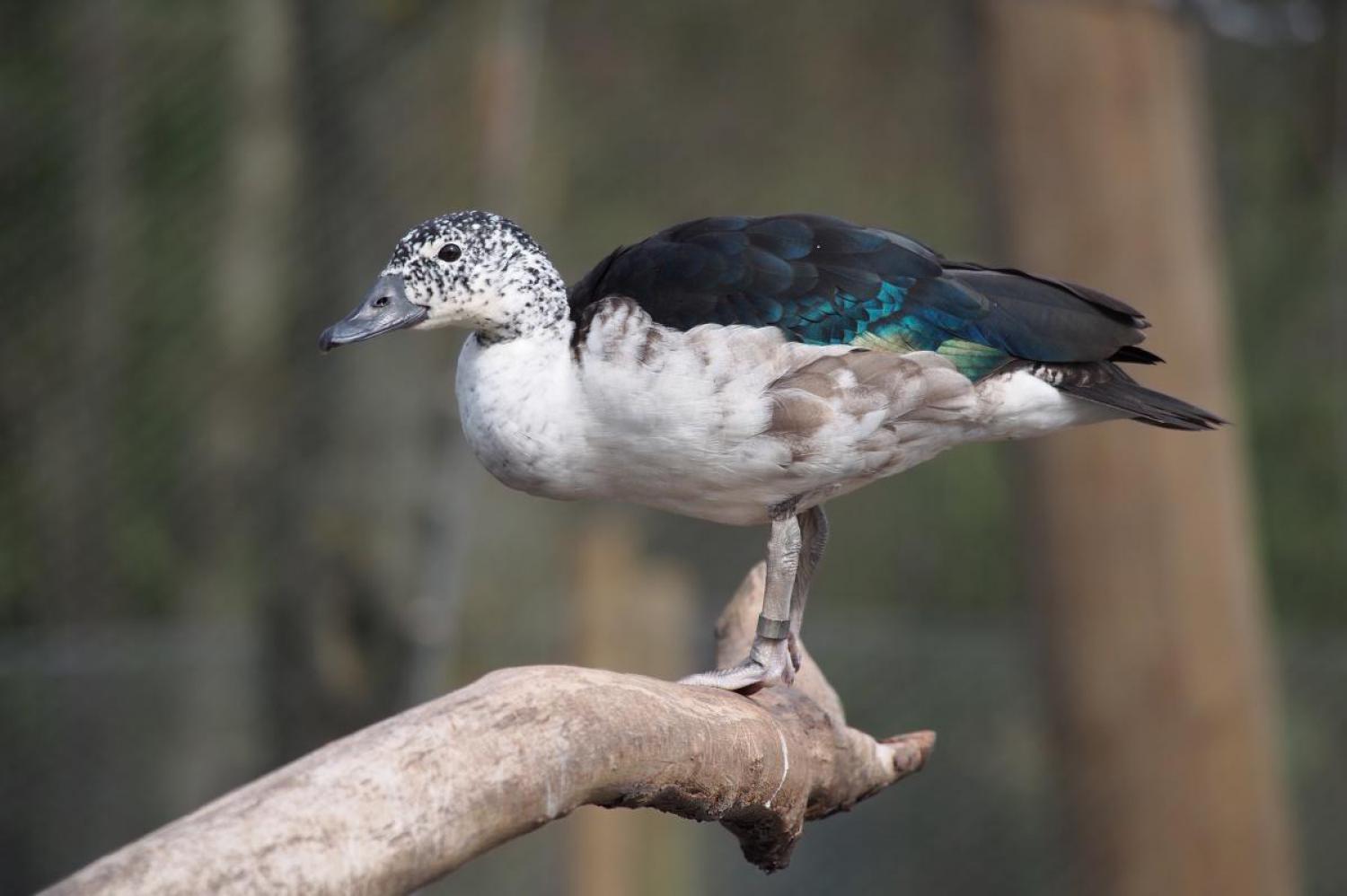
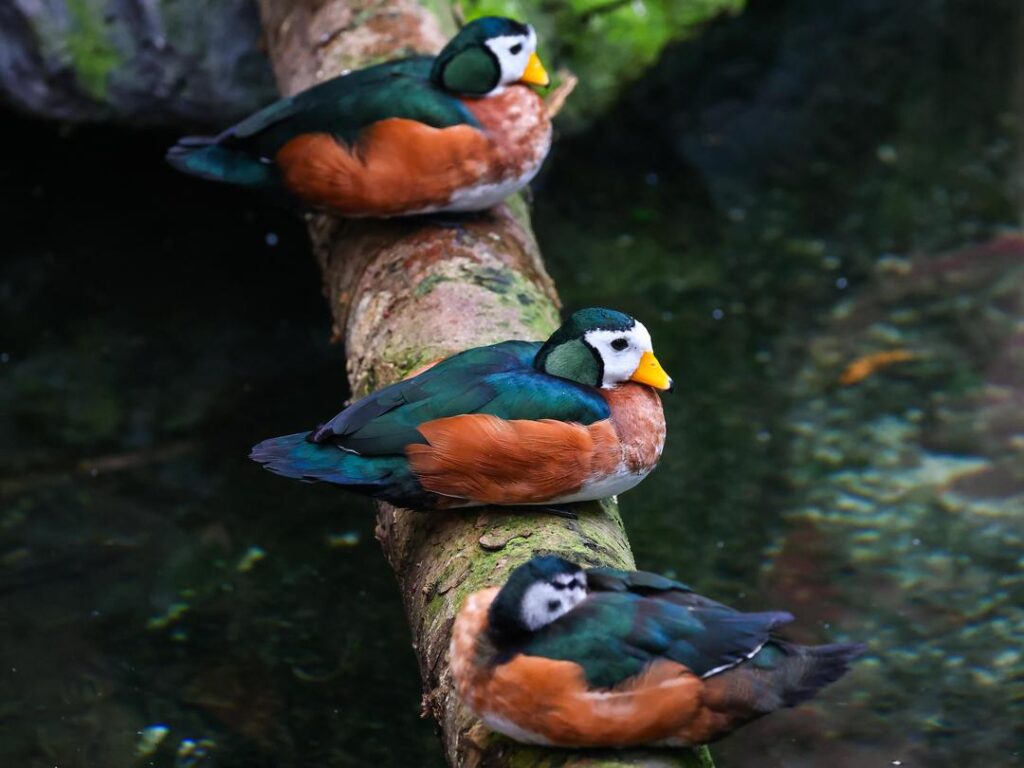
African Pygmy Goose
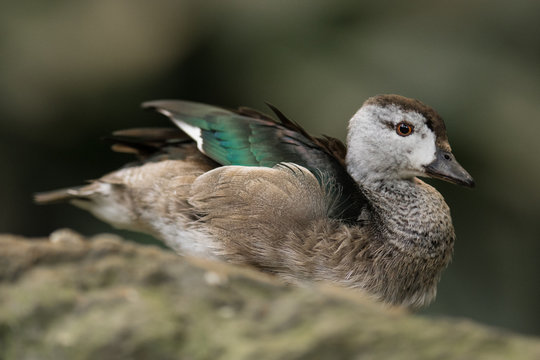
Cotton Pygmy Goose
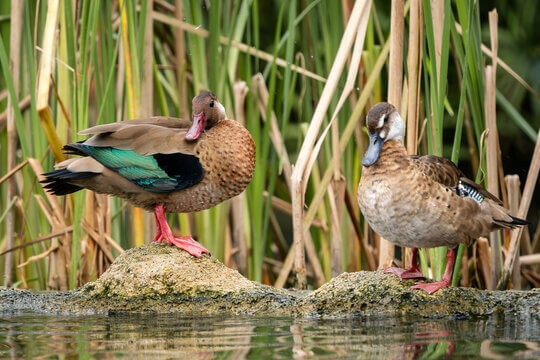
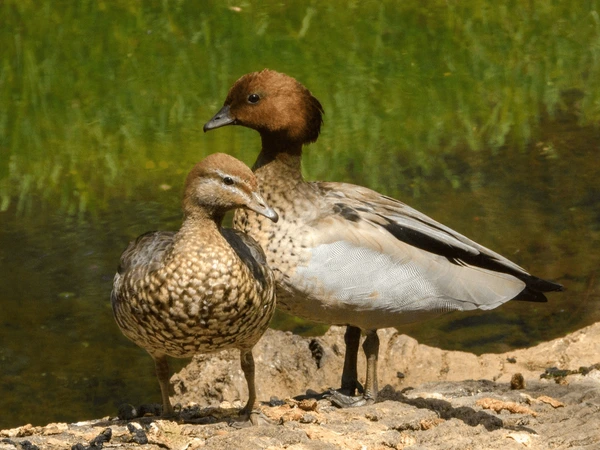
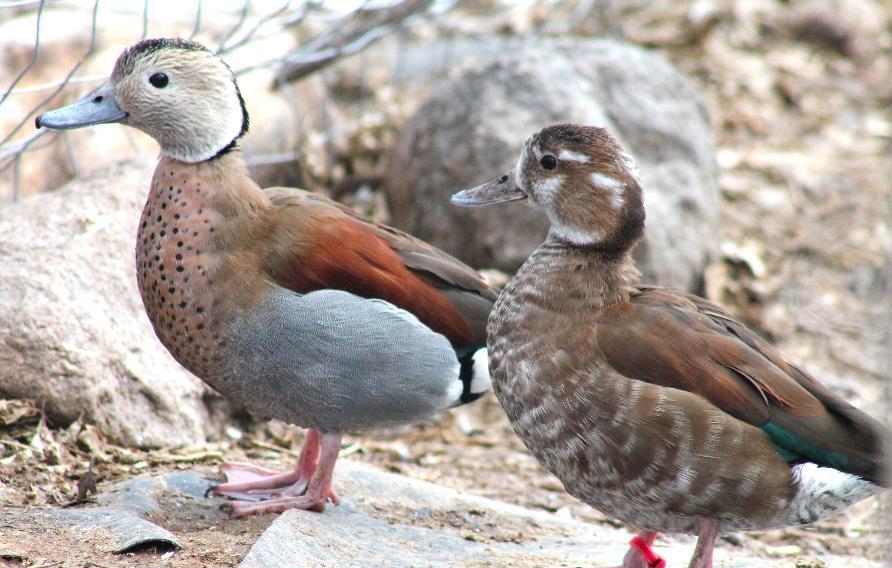
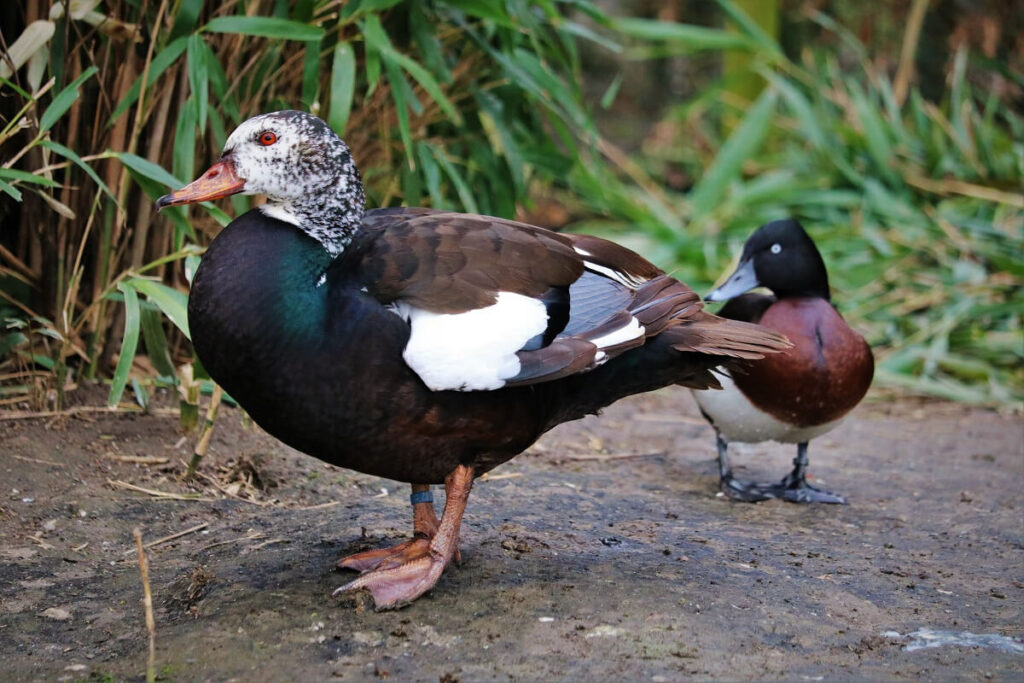
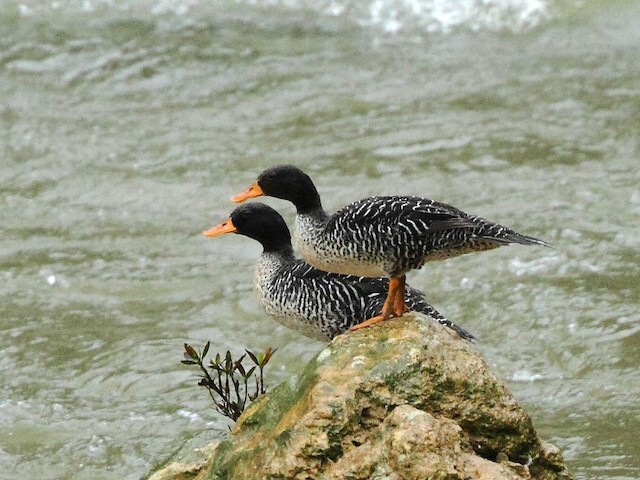
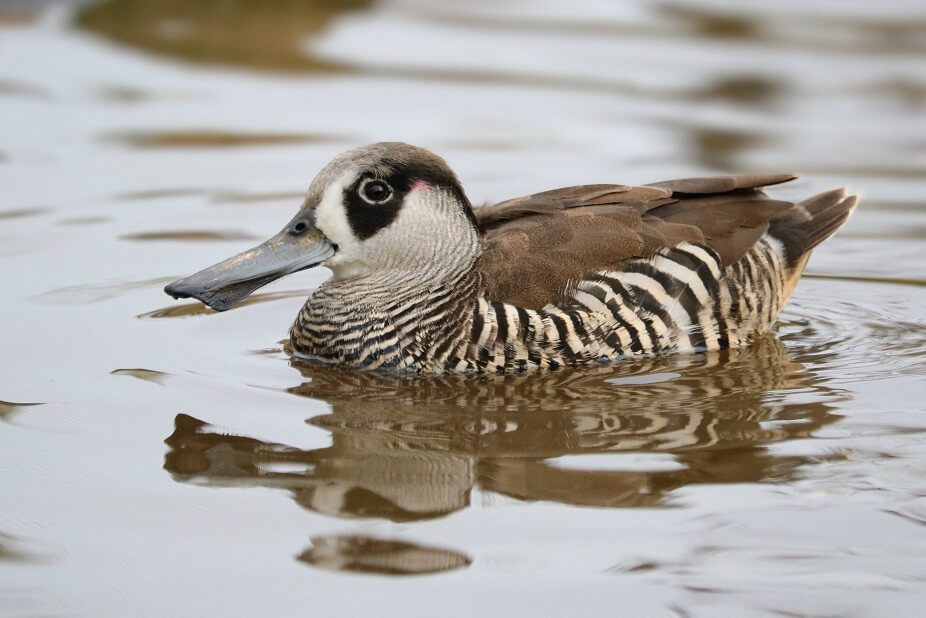
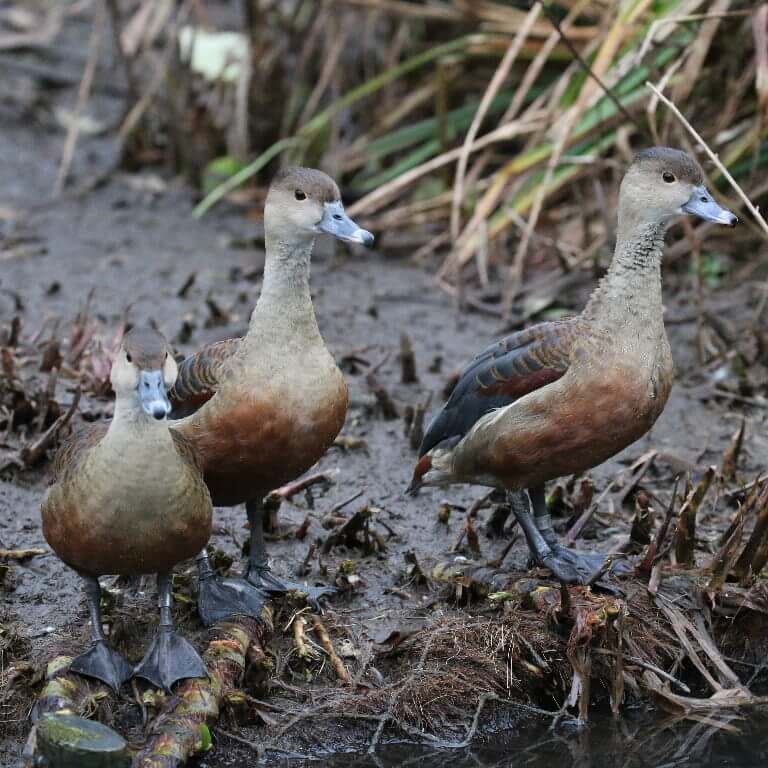
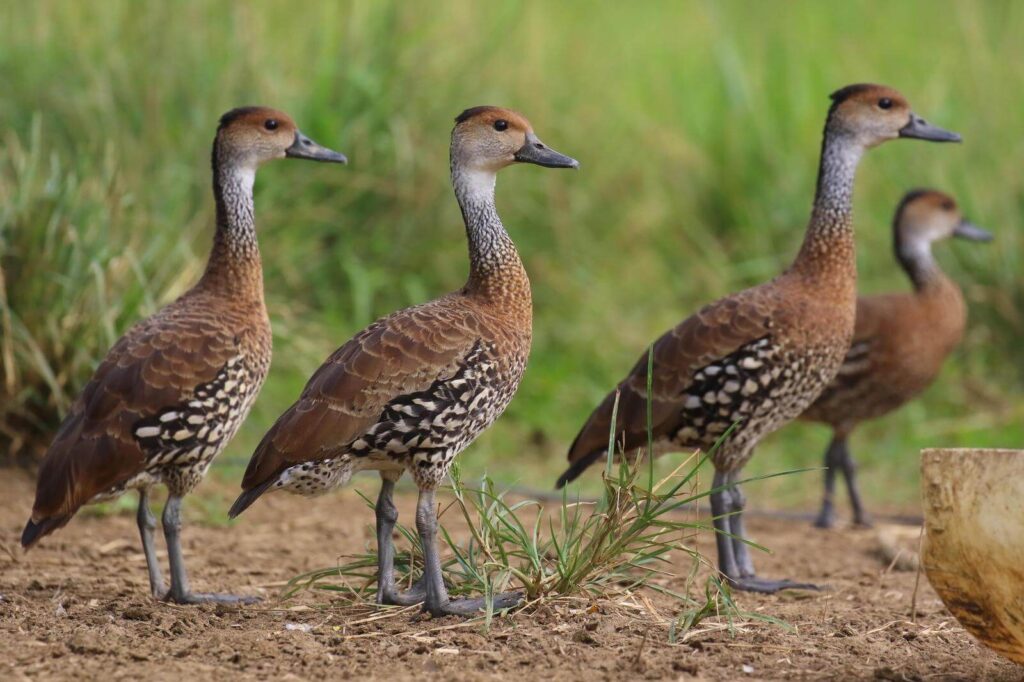
Discover duck species in other tribes:
What Are Perching Ducks?
Perching ducks are a group of ducks known for their unusual ability to sit and rest high in trees, a behavior that sets them apart from most other waterfowl. While many ducks spend most of their time on water or along shorelines, perching ducks are comfortable roosting on branches, sometimes many meters above the ground.
The term “perching ducks” is mostly used informally today to describe ducks that regularly perch in trees. Historically, however, it referred to a specific tribe of ducks called Cairinini within the duck family Anatidae, which includes ducks, geese, and swans.
Modern research has shown that this traditional grouping does not represent a single closely related evolutionary group. Instead, many of the ducks once placed together as perching ducks are now understood to be more closely related to different types or tribes of ducks. In other words, some ducks formerly labeled as perching ducks are now classified alongside other groups of ducks that they are more closely related to. Despite this, the term remains widely used to describe ducks that share the distinctive behavior of perching and nesting in trees.
Key Characteristics
Perching ducks possess several physical adaptations that allow them to thrive in wooded habitats.
One of their most distinctive features is their strong feet with long, curved claws, which help them grip branches securely. This allows them to perch comfortably on limbs, much like many songbirds or other tree-dwelling birds.
Their body shape and wing structure also reflect their arboreal lifestyle. Perching ducks typically have shorter, broader wings, which allow quick and agile flight. This maneuverability helps them move efficiently through dense forests and wooded wetlands, where tight spaces between trees require precise flying.
Many species also display striking plumage, particularly the males, which often have colorful feathers used during courtship displays.
Habitat and Distribution
Perching ducks are most commonly found in wooded wetlands, forest lakes, rivers, and swamps. These habitats provide the trees and cavities they rely on for resting and nesting.
Because they depend on trees for many aspects of their life cycle, they are typically associated with areas where forests meet water, such as floodplains, forested ponds, and slow-moving rivers.
Different species occur across various regions of the world, including Asia, North America, Africa, and parts of South America. Some species prefer tropical forests, while others live in temperate woodland habitats.
Discover: Duck Habitats : Here Is Where 120+ Duck Species Live
Nesting and Tree Cavities
One of the most defining traits of perching ducks is their preference for nesting in tree cavities.
Instead of building nests on the ground near water like many other ducks, perching ducks often lay their eggs in hollow tree trunks or natural cavities high above the ground. These nesting sites provide protection from many predators.
After the eggs hatch, the ducklings must make an impressive journey to the water. In many species, the young jump from the nest cavity to the ground shortly after hatching. Their light bodies and soft down allow them to land safely before following their mother to nearby water.
NOTE: Not all perching ducks nest in trees, and conversely, some ducks that are not classified as perching ducks also use tree cavities for nesting. Nesting in trees has evolved independently in several duck lineages, so it is a helpful behavioral trait but not a strict defining feature of the group. Here is a list of ducks that are known to nest in trees.
Feeding Behavior
Perching ducks generally have feeding habits similar to dabbling ducks.
Rather than diving deep underwater for food, they typically feed at or near the surface, tipping forward in shallow water or foraging along the shoreline. Their diet is usually omnivorous, consisting of:
- Seeds and aquatic plants
- Grasses and vegetation
- Insects and aquatic invertebrates
- Small crustaceans and other tiny animals
Many species also forage on land, especially in grassy areas near wetlands.
Duck Identification Posters/Charts
Celebrate the beauty of ducks with detailed, high-resolution identification posters designed for both learning and decor. Each chart features vibrant colors, sharp details, and a smooth premium finish that’s perfect for classrooms, study spaces, living rooms, or offices.

