7 Types of Mergansers You Should Know

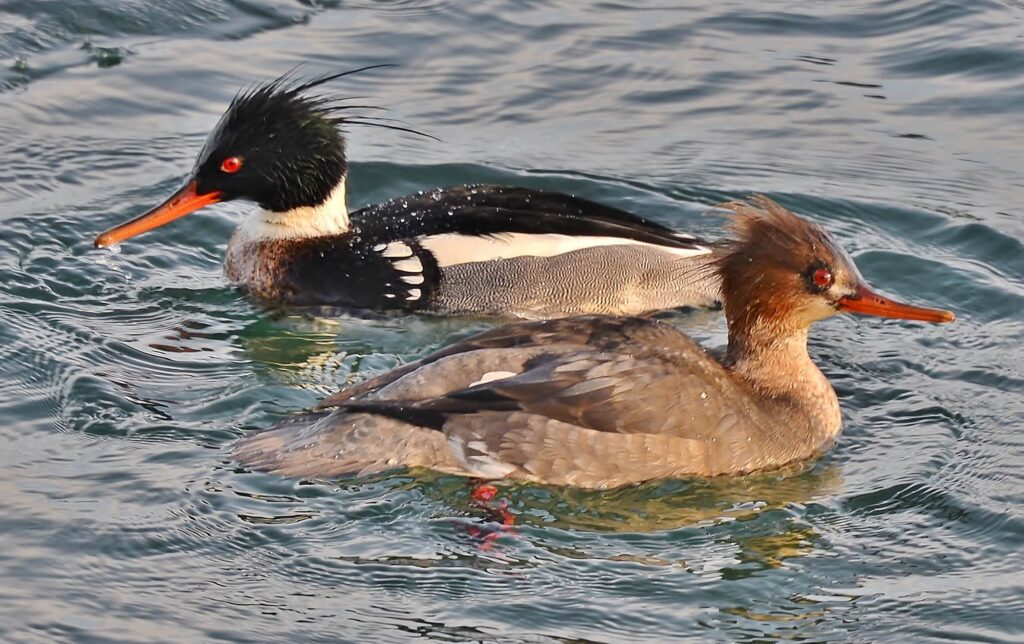
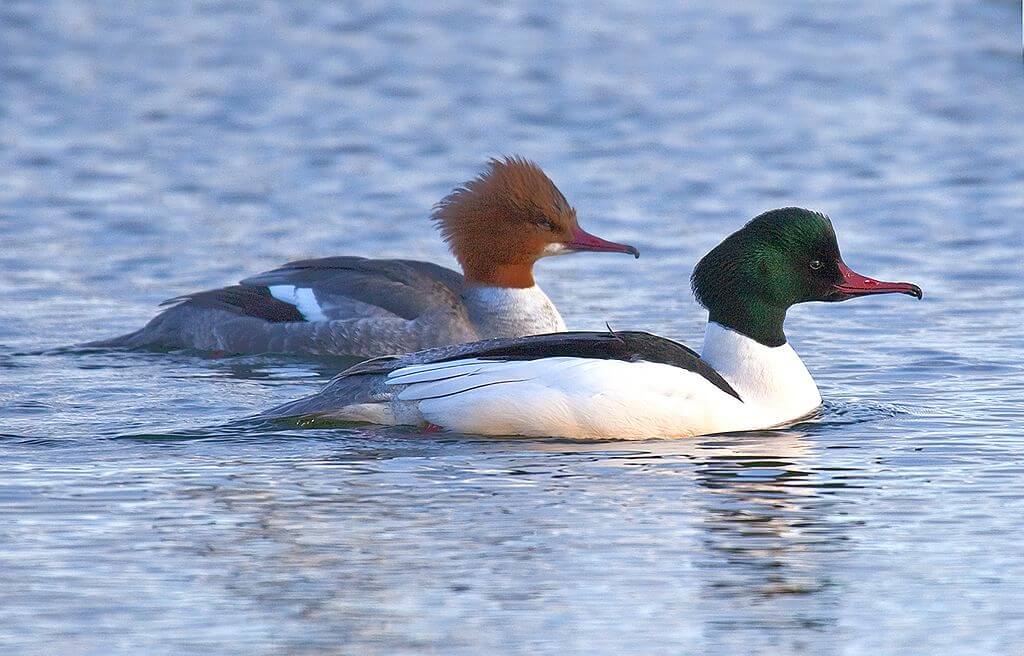
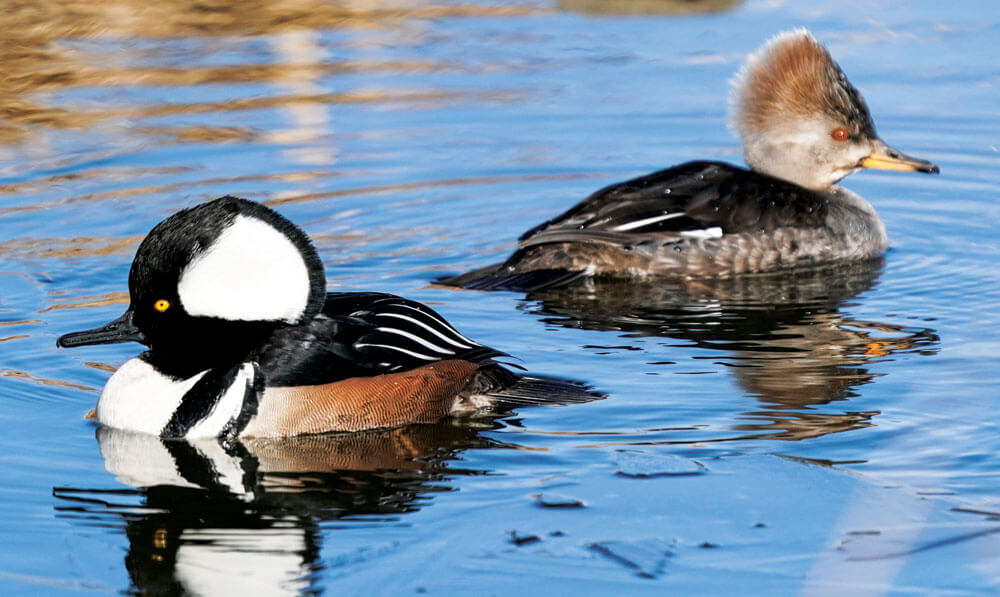
Mergansers are a group of ducks in the subfamily Merginae, commonly known as “sawbill ducks” because of the serrated edges along their bills. These special bills help them catch and hold slippery prey like fish, making them expert divers. Most mergansers are found in freshwater lakes and rivers across North America, Europe, and Asia, though a few species inhabit South America. Their streamlined bodies, strong swimming abilities, and diving behavior make them well adapted to a fish-based diet.
Auckland Island Merganser

Mergansers: The Sawbill Ducks

Mergansers are a group of ducks in the subfamily Merginae, commonly known as “sawbill ducks” because of the serrated edges along their bills. These special bills help them catch and hold slippery prey like fish, making them expert divers. Most mergansers are found in freshwater lakes and rivers across North America, Europe, and Asia, though a few species inhabit South America. Their streamlined bodies, strong swimming abilities, and diving behavior make them well adapted to a fish-based diet.
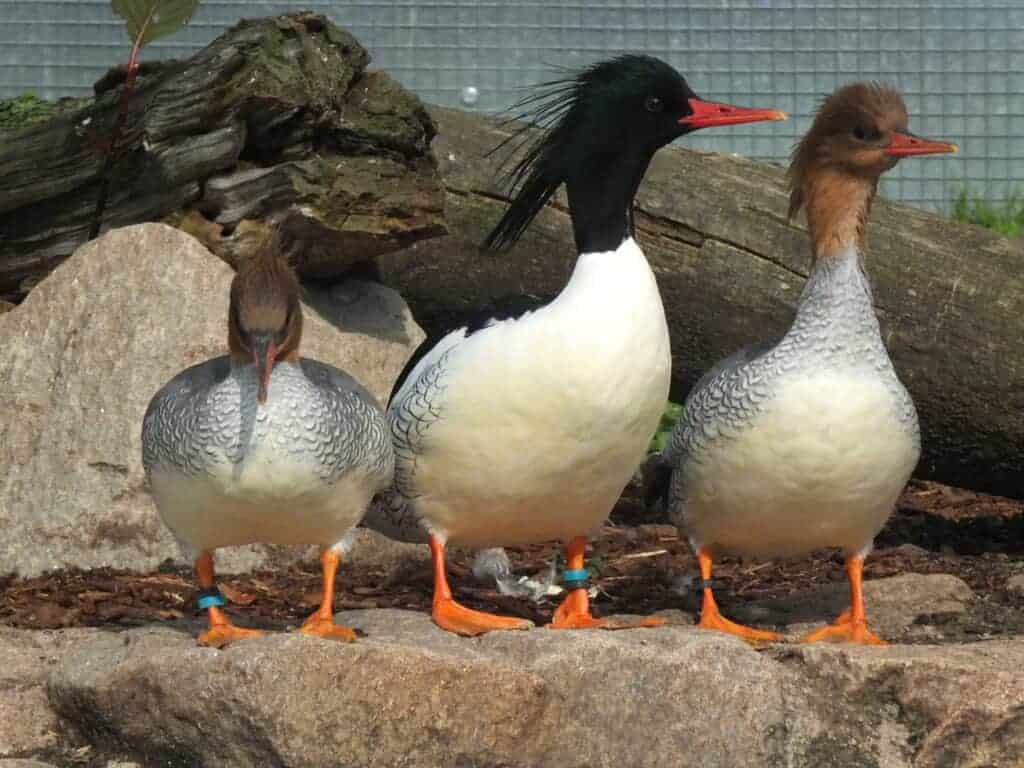
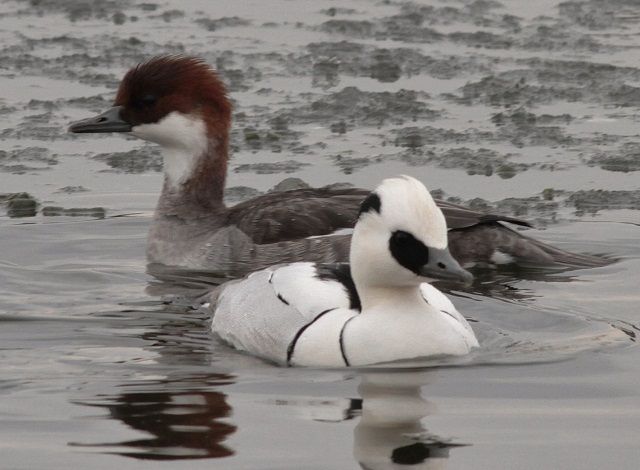
The Smew (Mergellus albellus) is included in merganser lists even though it belongs to a separate genus, Mergellus. It shares key characteristics with true mergansers, including a serrated bill, diving habits, and a similar body shape. Its behavior and ecological niche make it a close relative, justifying its inclusion when discussing sawbill ducks.

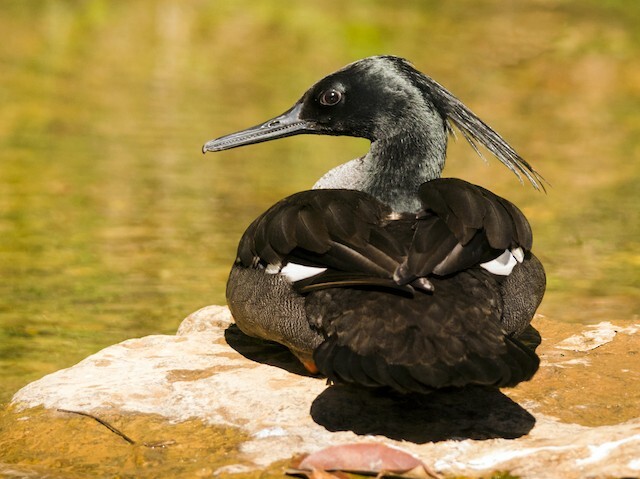
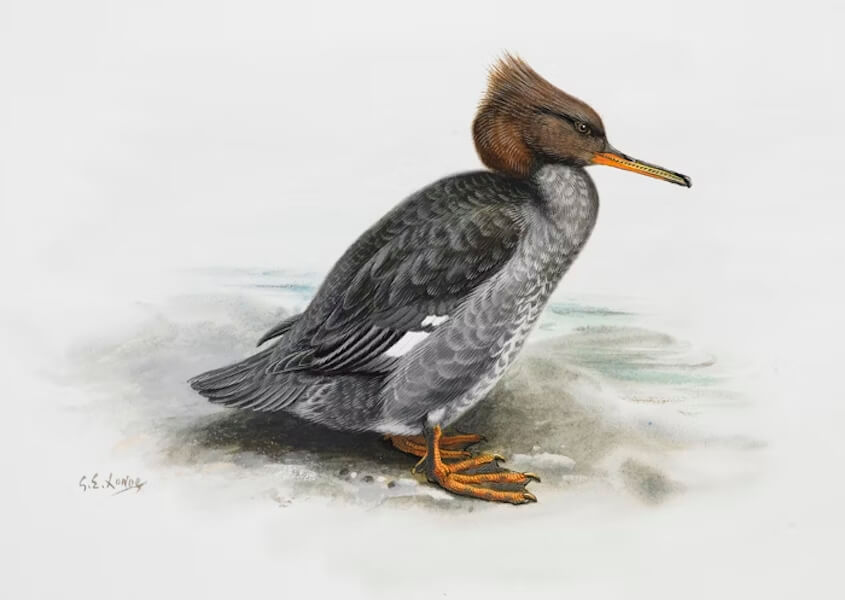
Among mergansers, one species is notable for being extinct: the Auckland Island Merganser (Mergus australis). Native to New Zealand’s Auckland Islands, this dark-bodied duck with a red bill was last recorded in the 19th century. Its disappearance highlights the fragility of island waterfowl populations, particularly in the face of human impact and introduced predators.

Similar Posts

  • Black-headed Duck

    Scientific Name Heteronetta atricapilla Alternative Names Black-headed Duck Measurements Feature Male Female Length 35 cm (14 in) 35 cm (14 in) Weight 510 g (18 oz) 565 g (20 oz) Wingspan Not specified Not specified Status The black-headed duck is assessed as Least Concern by the IUCN. Its population is stable, and it has a…

  • Surf Scoter

    Scientific name Melanitta perspicillata Common name Surf Scoter Measurements Feature Average Length 44–48 cm (17–19 in) Wingspan 76–77 cm (30 in) Weight 900–1,050 g (2.0–2.3 lb) Status The surf scoter is a large, migratory sea duck native to North America. Though its population has declined by an estimated 50–70% over the past four decades, it…

  • Ring-necked Duck

    Scientific name: Aythya collaris Alternative names: Ringbill, Ring-necked pochard Measurements Feature Range Length 39–46 cm (15.3–18.1 in) Weight 490–910 g (17.3–32.1 oz) Wingspan 62–63 cm (24.4–24.8 in) Status The ring-necked duck’s population is stable and has even expanded in parts of its range since the early 20th century. It is now a common breeding bird…

  • Yellow-billed Pintail

    Scientific Name Anas georgica Alternative Names Yellow-billed duck (regional), South Georgian pintail (for subspecies A. g. georgica), Chilean pintail (for subspecies A. g. spinicauda) Measurements Feature Male Female Body Length 41–51 cm 41–51 cm Weight 600–800 g 550–750 g Wingspan Around 80–90 cm Around 80–90 cm Status Classified as Least Concern overall. However, the South…

  • Black-bellied Whistling Duck

    Scientific name Dendrocygna autumnalis Alternative names Black-bellied tree duck, Whistling duck, Mexican squealer Subspecies Measurements Feature Range / Note Length 47–56 cm Wingspan 76–94 cm Weight 652–1,020 g Male vs Female Sexes similar; juveniles have gray bill and less contrasting belly Status Least Concern (IUCN); global population estimated at 1.1–2 million and increasing. Identification A…

  • Mottled Duck

    Scientific Name Anas fulvigula Alternative Names Mottled Mallard Measurements Sex Length Weight Wingspan Male 50–57 cm (19.7–22.5 in) 880–1,240 g (30.9–43.8 oz) 83–87 cm (32.7–34.3 in) Female 47–53 cm (18.5–21.0 in) 700–1,150 g (24.7–40.6 oz) 80–83 cm (31.5–32.7 in) Status Fairly common within its range. Populations are stable but closely monitored due to hybridization risks…

One Comment

Leave a Reply

Your email address will not be published. Required fields are marked *