13 Ducks That Look Like Mallards
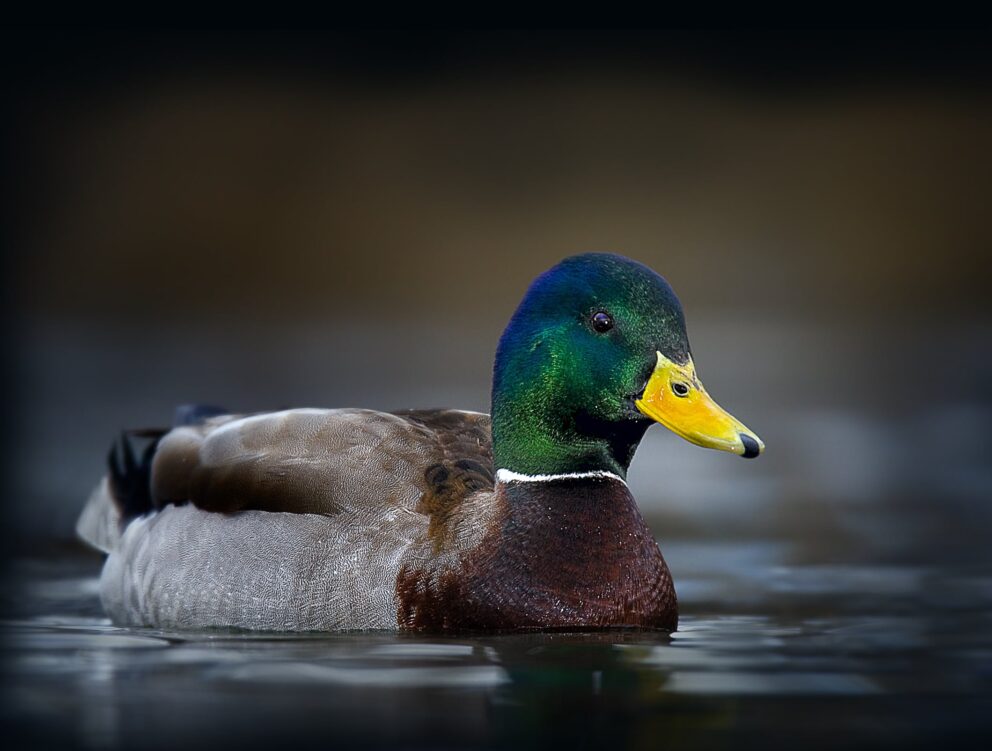
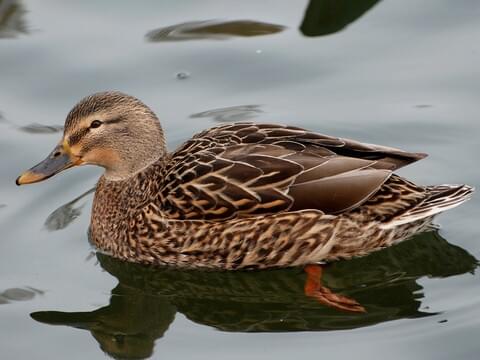
Mallards are everywhere—whether you’re in North America, Europe, Asia, or even parts of Africa, chances are you’ve seen one. They’ve also been introduced to places like Australia, New Zealand, and South America. Honestly, if you show someone a picture of a Mallard, there’s a good chance they’ll recognize it, no matter where they’re from.
They’re the classic duck you see in parks and local ponds. In fact, whenever I’m out birdwatching in the wild, they’re still the most common duck I come across.
But here’s the surprising part: not every duck that looks like a Mallard is a Mallard. There are several species that closely resemble them, and it often tricks beginners. I can’t count the number of times new birders get disappointed when I tell them the “Mallard” they spotted is actually a different duck species altogether.
The confusion makes sense. Male Mallards in breeding plumage are unmistakable with their glossy green heads, clean white neck rings, and signature curled tail feathers. But lookalikes can share many of those features. And when it comes to females? Their mottled brown feathers and yellowish bills make them even trickier to tell apart from similar species.
So, if you’ve ever second-guessed a Mallard sighting—or want to make sure you’re identifying them correctly—here’s a helpful guide to ducks that look like Mallards.
1. Northern Shoveler
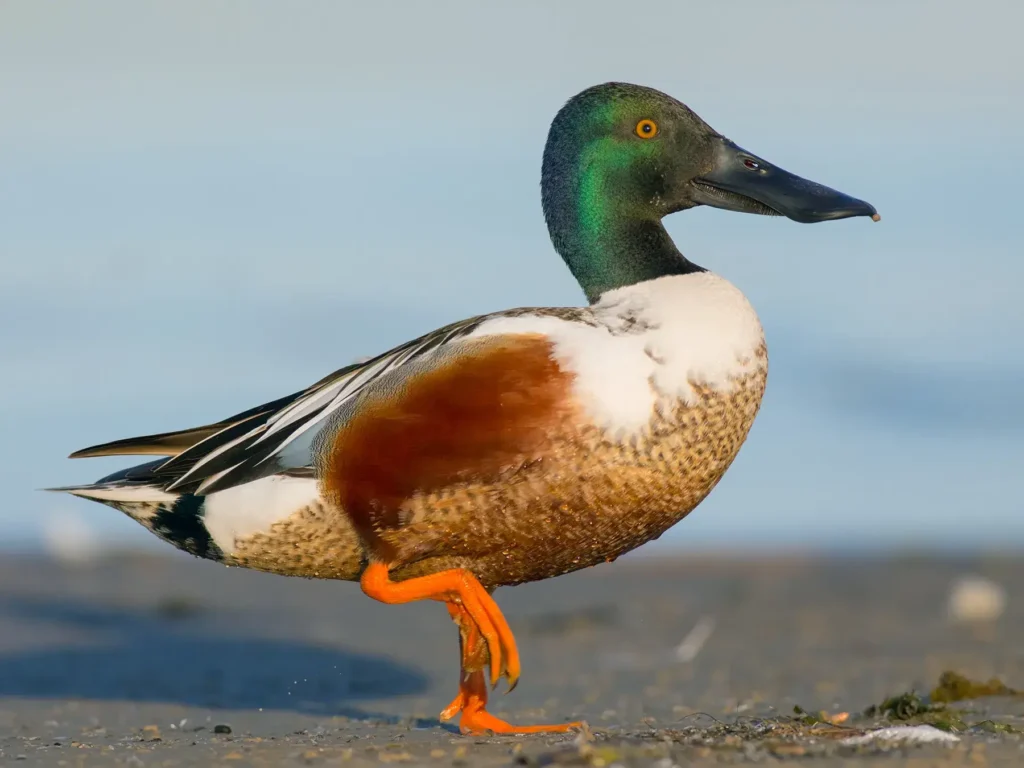
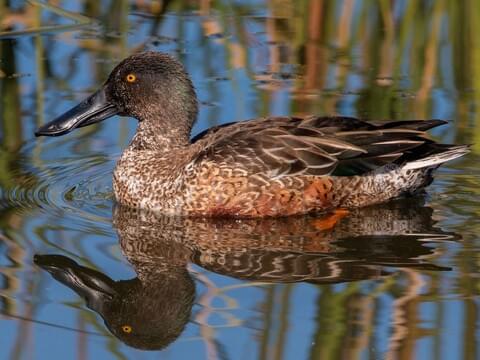
At first glance, spotting that iridescent green head and white chest, you might quickly call it a Mallard—but look again. The Northern Shoveler has a long, spoon-shaped bill that gives it away immediately. Males share the Mallard’s green head and chestnut sides, while females are mottled brown like female Mallards, making them easy to confuse from afar.
What makes them truly fascinating is their feeding style: instead of dabbling like Mallards, they sweep their oversized bills through the water to filter out tiny plants and animals. In large groups, they even spin in circles to stir up food—a behavior rarely seen in Mallards.
2. Mottled Duck
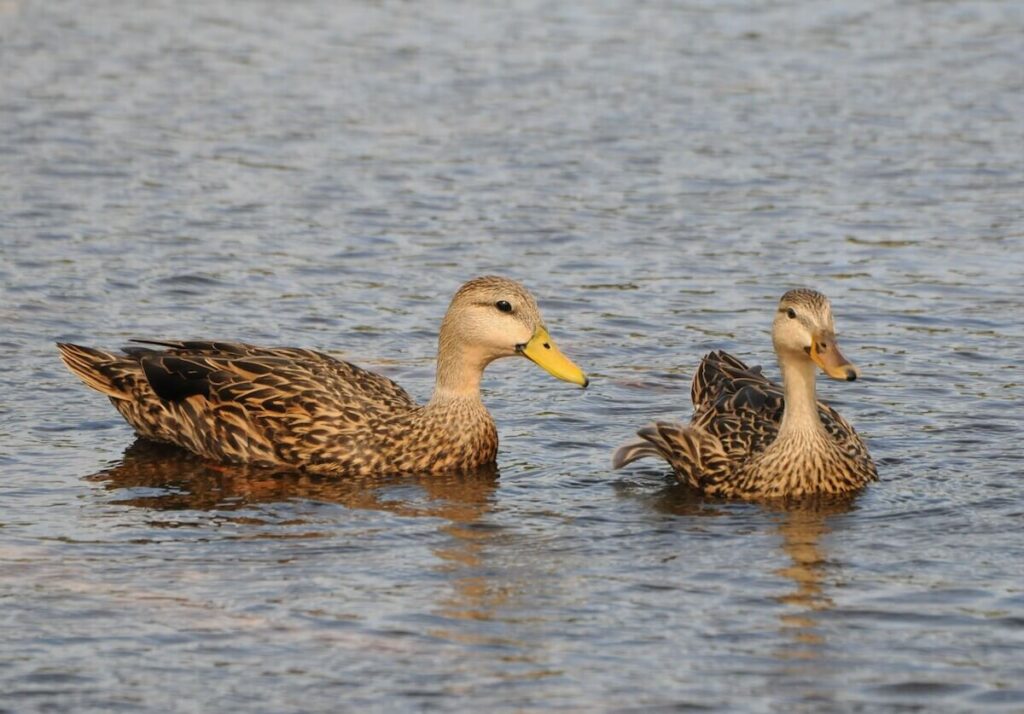
Here’s one that tricks even experienced birdwatchers. Female Mallards and Mottled Ducks look like twins—brown, streaky feathers and yellow bills—but Mottled Ducks have a shiny blue-green speculum that, unlike Mallards, is not bordered with white. They also don’t have the male’s green head; both sexes are brownish overall.
What’s special about them is where they live and how they behave. Mottled Ducks are mostly found in coastal wetlands of the southeastern United States and prefer staying put rather than migrating like Mallards. Unfortunately, one of their biggest threats is interbreeding with Mallards, which is slowly blurring their pure genetic line in the wild.
3. American Black Duck
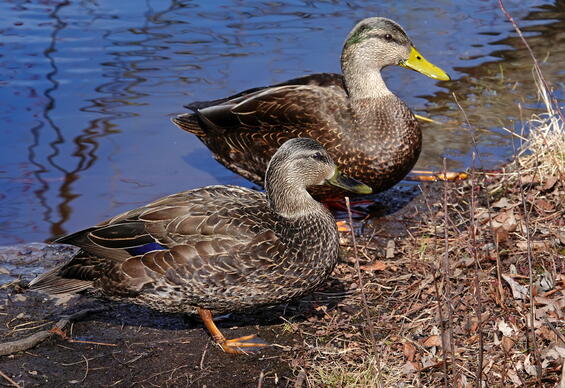
If you’ve ever mistaken a dark female Mallard for something else, it was probably an American Black Duck. These ducks have a similar shape and size to Mallards, with a purplish-blue speculum bordered by black instead of white—subtle but important if you look closely.
Where they differ most is in lifestyle and conservation status. American Black Ducks are more secretive, preferring quiet marshes and coastal estuaries rather than city ponds full of people. Sadly, their populations have declined due to habitat loss and extensive hybridization with Mallards, putting pressure on their wild lineage.
4. Hawaiian Duck
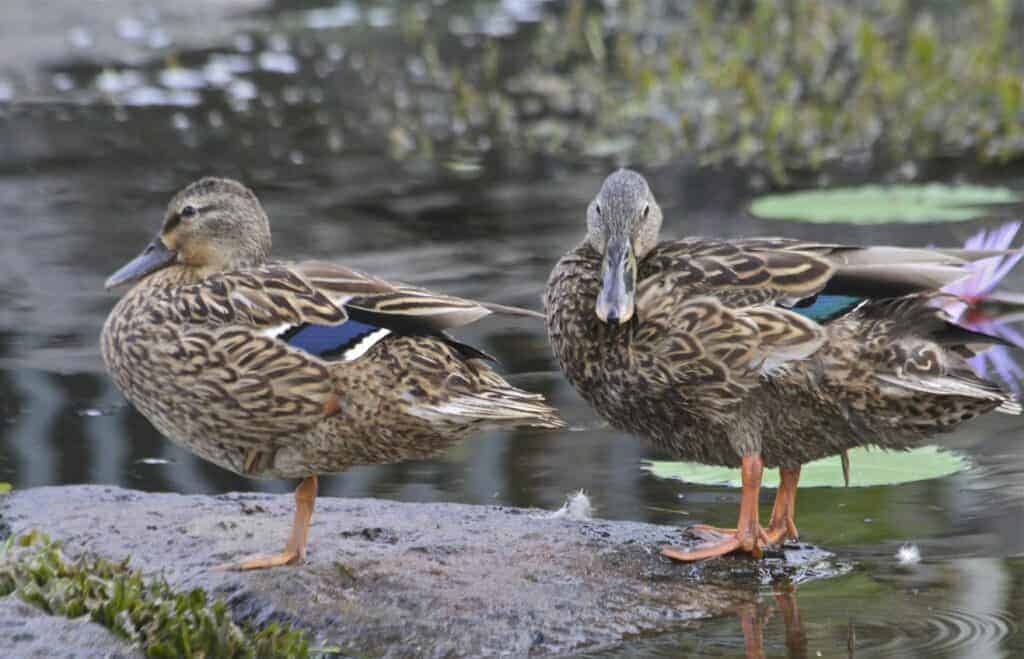
Another duck that can easily be confused with Mallards—especially female Mallards—is the Hawaiian Duck. Both sexes look quite similar, showing a mottled brown plumage and a blue-green speculum, much like female Mallards.
What helps set the Hawaiian Duck apart is its overall appearance. It tends to have a darker, more uniform brown plumage, with less contrast in its feather pattern. It is also smaller than the Mallard, so if you see the two side by side, size alone can often be a clear clue. Male Hawaiian Ducks do not show the bright green head or curled black tail feathers seen in male Mallards, and instead look very similar to females, with only slight differences in shade and structure. Here are more features to look out for if you want to distinguish Hawaiian Ducks from Mallards: Hawaiian Duck Vs Mallard: Notable Differences Explained
The Hawaiian Duck is also a native species found only in Hawaii and is much rarer today. Unlike Mallards, which are widespread and highly adaptable, Hawaiian Ducks are mostly limited to a few isolated locations. The strongest remaining populations are found on Kauaʻi, with smaller reintroduced groups on other islands.
5. Mexican Duck
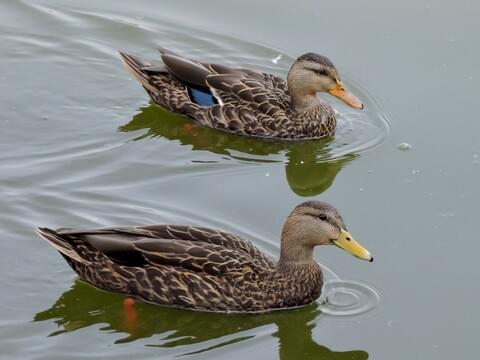
Many birders also mistake the Mexican Ducks for Mallards, especially female Mallards. Even from the picture above, you can see that they look almost identical, with both showing mottled brown plumage and similar body shape, which often leads to confusion in the field.
However, the Mexican Duck is generally a bit darker and more uniformly brown compared to female Mallards, with less contrast in its feather patterns. The body often looks smoother and less streaked, giving it a slightly more “solid” overall appearance. Check this post on features to look out for to distinguish Mexican ducks from Mallards: Mexican Duck Vs Mallard: Here Are the Notable Differences Between the Two Species
Mexican Ducks are also typically found in the southwestern United States and Mexico, where they prefer wetlands, rivers, and marshes. They are non-migratory in many areas, meaning they tend to stay in the same region year-round.
6. Pacific Black Duck
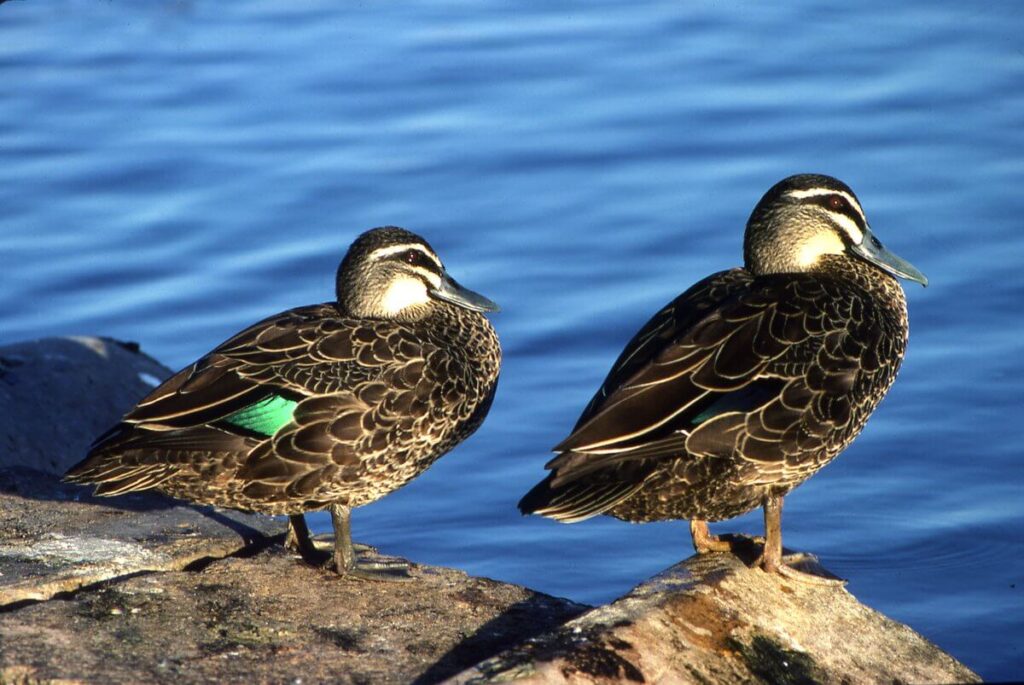
At first glance, you might think, “Just another female Mallard,” thanks to their mottled brown plumage and overall shape. But look closer—Pacific Black Ducks have distinct dark eye stripes and a more uniform dark-brown appearance compared to the lighter, streaked Mallard females.
These ducks are widespread across Australia, New Zealand, and nearby islands and are incredibly adaptable. One fascinating trait is their strong site fidelity—they often return to the same wetland year after year. However, hybridization with feral Mallards is a growing issue, threatening the purity of their native populations.
7. Yellow-billed Duck
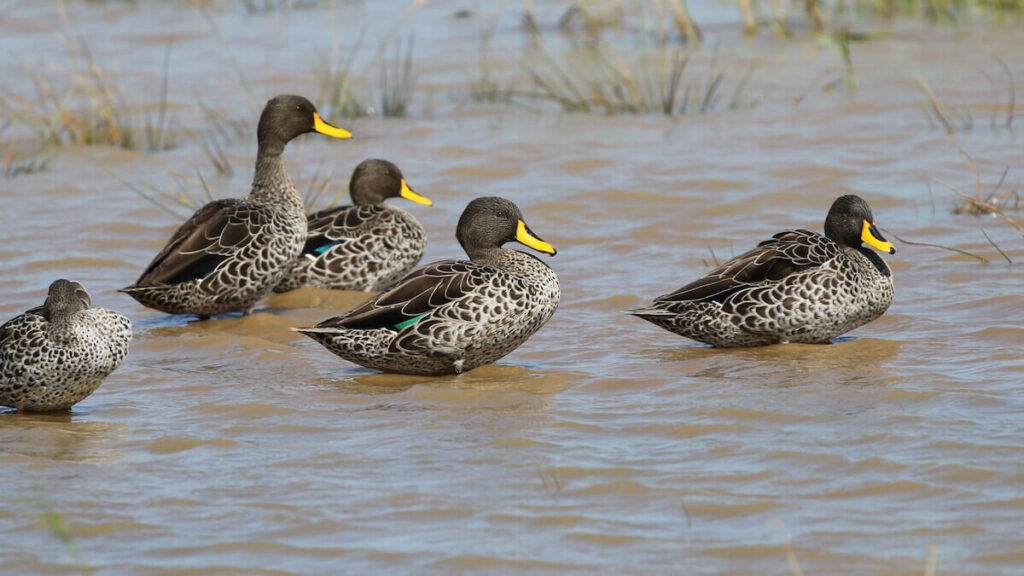
From afar, the Yellow-billed Duck can easily pass as a darker-toned Mallard. Its body is mottled brown like a female Mallard, but its bill is a bright, unmistakable yellow. They also lack the white-bordered speculum of Mallards.
Unlike Mallards that thrive across continents, Yellow-billed Ducks are mostly restricted to sub-Saharan Africa. They prefer quiet freshwater habitats and rarely migrate long distances. One notable behavior is their crepuscular feeding pattern—most active during dawn and dusk—which helps them avoid predators and human disturbance.
8. Indian Spot-billed Duck
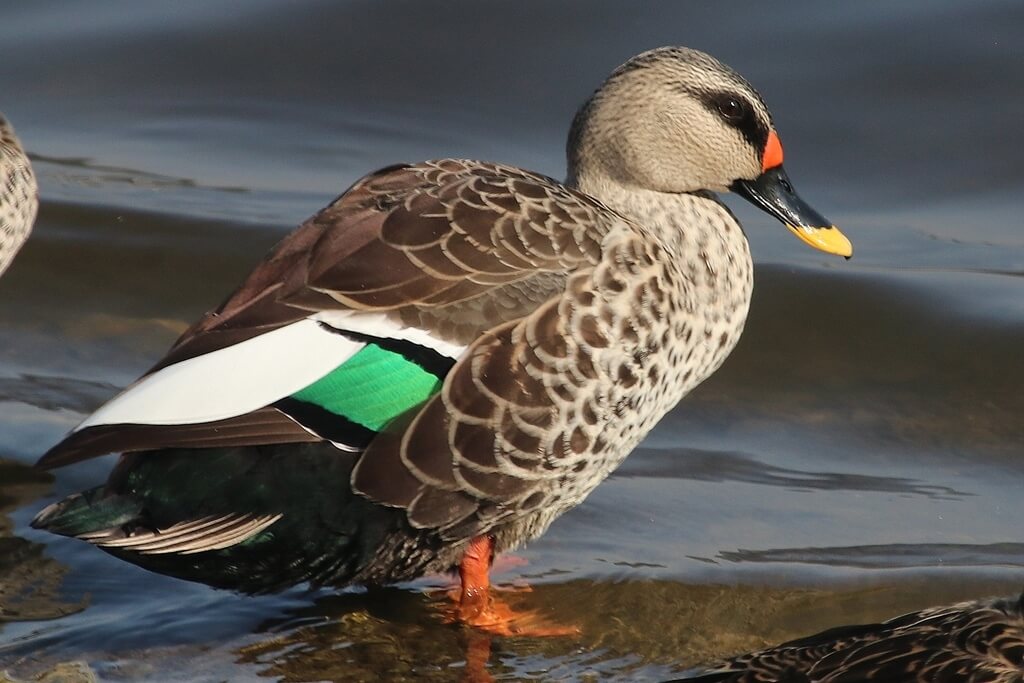
Another duck that you can easily confuse with mallards is the Indian Spot-billed Duck. It looks remarkably like a Mallard—especially the females—with mottled brown plumage and the same overall shape. But take a closer look at the bill: it’s dark with a distinctive yellow tip and two subtle red spots near the base in some populations, which Mallards never have.
What makes them unique is their preference for quieter freshwater lakes and rice paddies across South and Southeast Asia. Unlike Mallards, they don’t migrate long distances and mostly stay within their home range year-round, thriving in monsoon-fed wetlands.
Duck Identification Posters/Charts
Celebrate the beauty of ducks with detailed, high-resolution identification posters designed for both learning and decor. Each chart features vibrant colors, sharp details, and a smooth premium finish that’s perfect for classrooms, study spaces, living rooms, or offices.

9. Rouen Duck
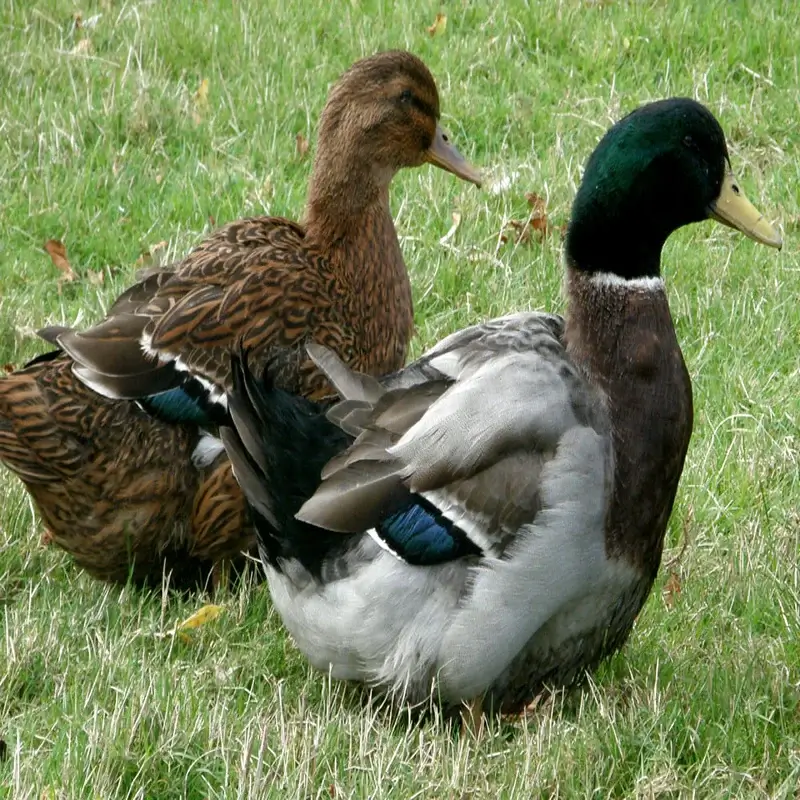
You could easily mistake a Rouen for a Mallard at the park—until you notice its size. Rouens are essentially the heavyweight cousins of Mallards, bred from them for domestic purposes. Males also wear the classic green head, white neck ring, and chestnut breast, while females have the same mottled brown plumage as female Mallards.
However, unlike Mallards, Rouens don’t fly much due to their heavy bodies. They’re quiet birds too—rarely quacking loudly—and are often raised for ornamental purposes or meat rather than migration or wild living. While Mallards are agile and widespread travelers, Rouens are more like calm homebodies.
10. Northern Pintail (Female)
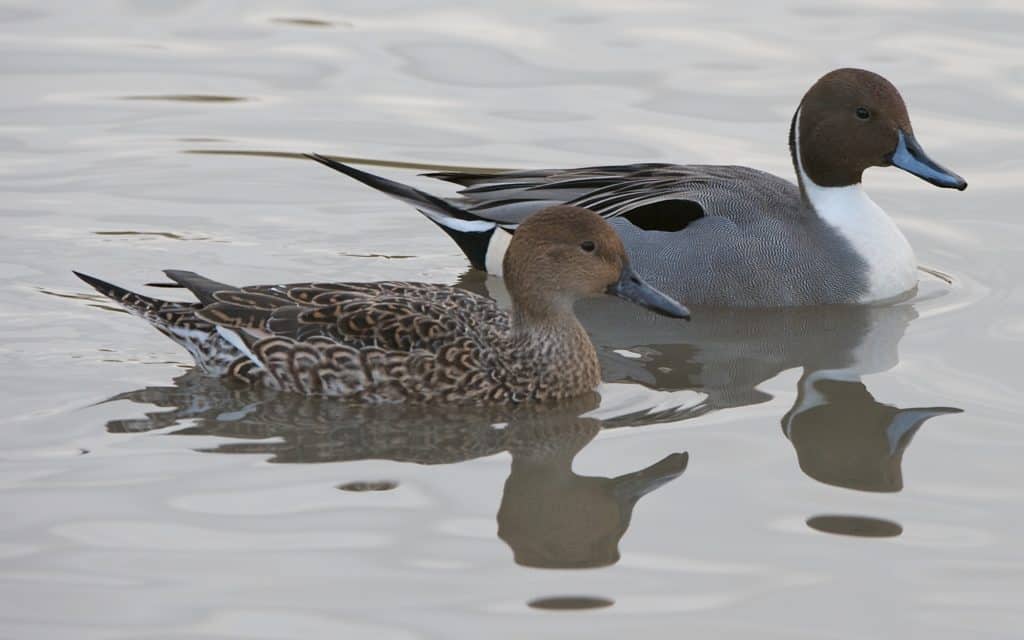
Female Northern Pintails can easily be mistaken for female Mallards since they share the same mottled brown plumage and gentle expression. But Pintails are more slender, with a longer neck and a more elegant, elongated body shape that sets them apart from the chunkier Mallard form.
What’s particularly interesting about them is their migration. Pintails are long-distance travelers, breeding in northern regions and migrating thousands of miles to winter in warmer wetlands. They often return to the same breeding sites every year, showing incredible navigational instincts.
11. Gadwall (Female)
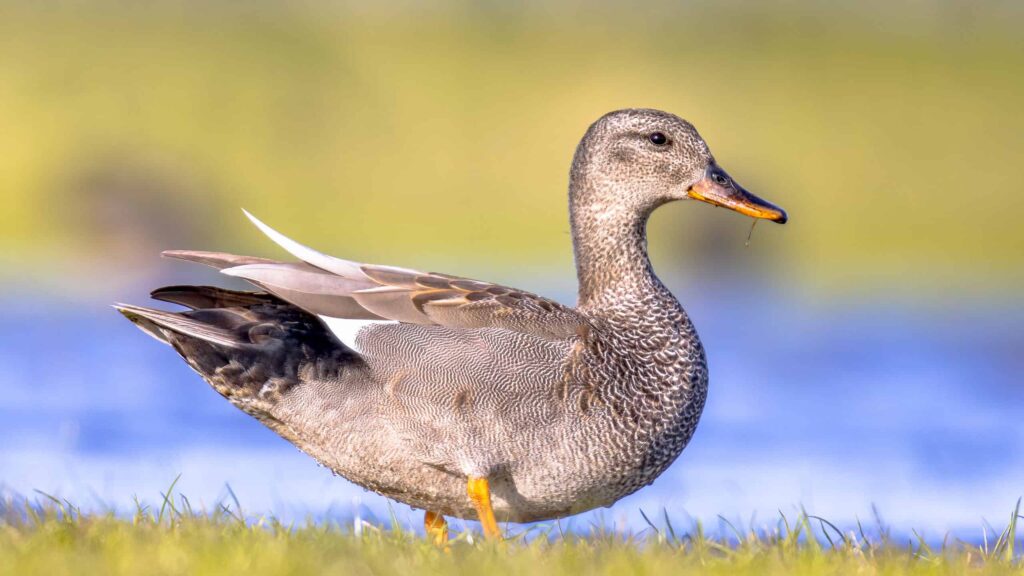
If you’ve ever spotted a grayish-brown duck and thought it was a female Mallard, it may have been a female Gadwall. Both have muted brown plumage, but Gadwalls are sleeker, with a thinner bill and a white wing patch that appears during flight—unlike the blue speculum of Mallards.
One fascinating detail about Gadwalls is their diet. While Mallards eat a mix of plants and small animals, Gadwalls rely more heavily on aquatic vegetation. They’re often seen sneaking snacks from coots or other waterbirds—quietly stealing plants rather than diving or dabbling for them.
12. Green-winged Teal (Female)
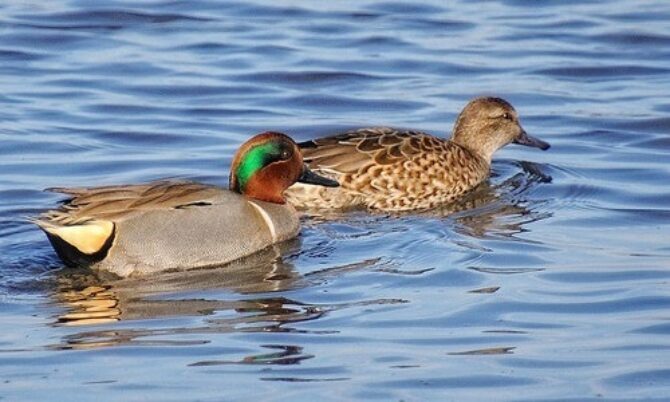
Female Green-winged Teals are petite versions of female Mallards, with the same streaky brown patterning. However, they’re significantly smaller and have a dark eye patch and a more compact body. When they open their wings, you might spot the green speculum that gives them their name—another identifying feature Mallards lack. These ducks are among the smallest dabbling ducks in North America and are incredibly fast flyers, often taking off almost vertically from the water. They migrate in tight flocks and can travel long distances for wintering.
13. Baer’s Pochard
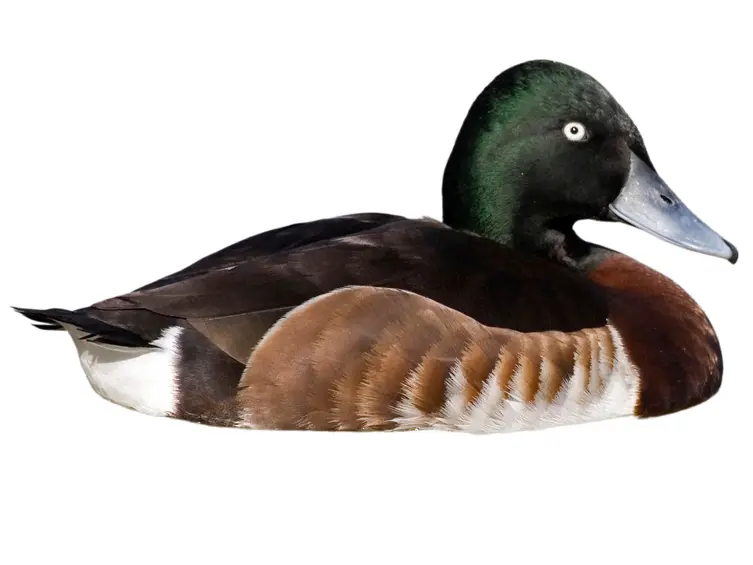
Baer’s Pochard is a diving duck that can sometimes be mistaken for other dark-headed ducks at a distance, especially when lighting is poor or when birds are seen briefly on open water. While it is not as commonly confused with Mallards as some dabbling ducks, certain features can still lead to misidentification.
In breeding males, Baer’s Pochard has a striking dark head that can appear almost black with a slight green sheen, a pale or whitish flank area, and a contrasting darker chest. Females, on the other hand, are more uniformly brown, which can make them look similar to other brown female ducks at first glance. However, they usually have a more consistent, darker tone overall compared to female Mallards.
One of the key differences is their body shape and behavior. Baer’s Pochard has a more compact diving duck build and is often seen diving underwater for food, unlike Mallards which mainly dabble at the surface. This diving behavior alone can be a strong clue in the field.
Geography also plays an important role in identification. Baer’s Pochard is highly restricted in range and is considered very rare, mainly found in parts of Asia during the breeding season and wintering in limited locations. Because of this, any sighting should be carefully checked, as confusion with more common species is possible.