
List of Diving Ducks in Florida
Diving ducks get their name from their feeding behavior: they actively plunge beneath the water’s surface to forage. Unlike dabbling ducks, which feed mainly at or just below the surface, diving ducks fully submerge, using their strong legs and compact bodies to pursue aquatic plants, invertebrates, and small fish underwater.
There are more than 40 recognized species of diving ducks worldwide. These are further grouped into different tribes such as pochards, scaups, and sea ducks, based on their evolutionary relationships. Despite their diversity, they all share the same defining trait: diving feeding style and over lifestyle.
Only a small selection of these species can be found in Florida. Some are regular seasonal visitors, while others appear only rarely as vagrants from distant breeding grounds. So which diving ducks are actually seen in the state?
Below is a curated list of diving ducks you are most likely to encounter in Florida, organized by their respective tribes. (Click on each duck’s name to learn more about it.)
Pochards & Scaups
Pochards and scaups are a group of medium-sized diving ducks within the dabbling duck family. They are strong underwater foragers, typically found on lakes, bays, and large wetlands. These species are well-adapted for diving, feeding mainly on aquatic plants, seeds, and a variety of small aquatic animals such as mollusks and insects.
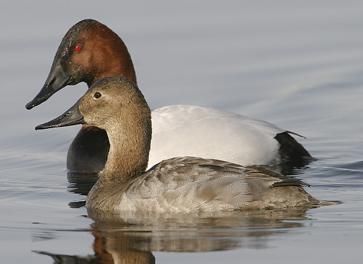
- Scientific name: Aythya valisineria
- Status: Least concern
- Where found: In Florida during winter, relatively common in suitable habitats. Found on rivers, lakes, ponds, estuaries, and marshes. A reliable site is Lake Apopka.
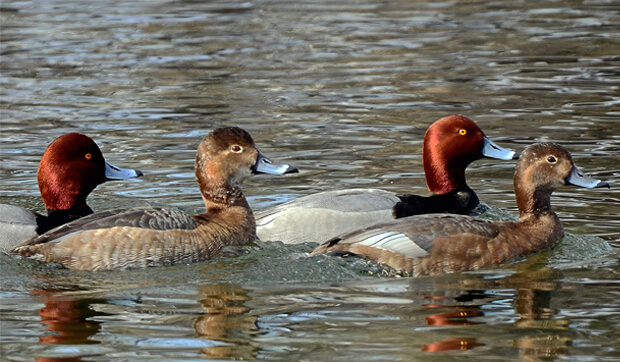
Scientific name: Aythya americana
Status: Least concern
Where found: Common winter visitor in Florida, with some year-round presence. Occurs mainly in bays and lakes. Recorded at Merritt Island National Wildlife Refuge and other wetland areas.
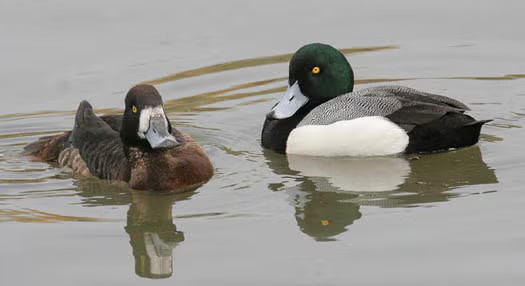
- Scientific name: Aythya marila
- Status: Least concern
- Where found: Primarily a wintering species in Florida, occasionally present year-round. Most often seen in saltwater bays and coves, with fewer records on inland lakes. Found at Saint Marks National Wildlife Refuge.
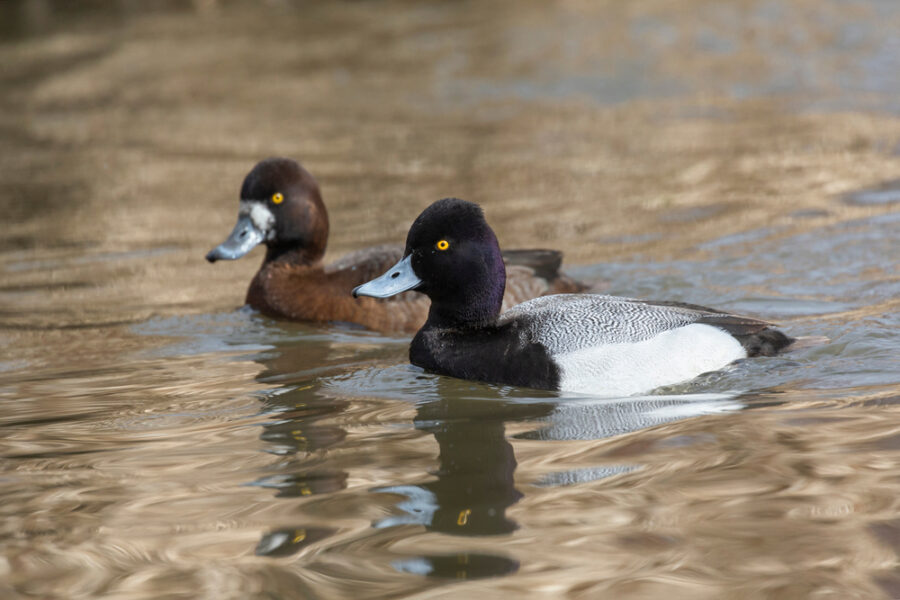
- Scientific name: Aythya affinis
- Status: Least concern
- Where found: Common winter migrant in Florida, with some year-round individuals. Found across wetlands, bays, lakes, and ponds. Recorded at Bald Point State Park and similar sites.
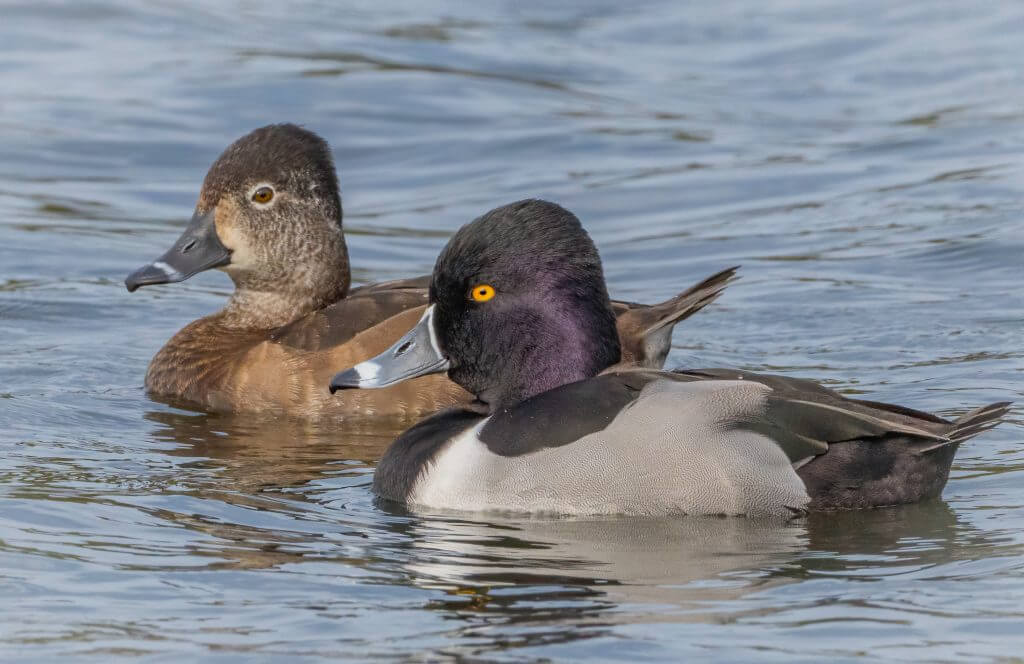
- Scientific name: Aythya collaris
- Status: Least concern
- Where found: Very common winter species in Florida, with some year-round presence. Occurs in ponds, marshes, lakes, rivers, and bays. Found at Merritt Island National Wildlife Refuge.
Sea Ducks (Subfamily Merginae)
Sea ducks are a diverse group of diving ducks that are strongly associated with marine environments, especially coastal waters, bays, and open oceans. They are generally more robust than other diving ducks and are highly adapted to cold or rough water conditions. Their diet is often more animal-based, including mollusks, crustaceans, fish, and other marine invertebrates, which they obtain by diving to the seafloor or through the water column.
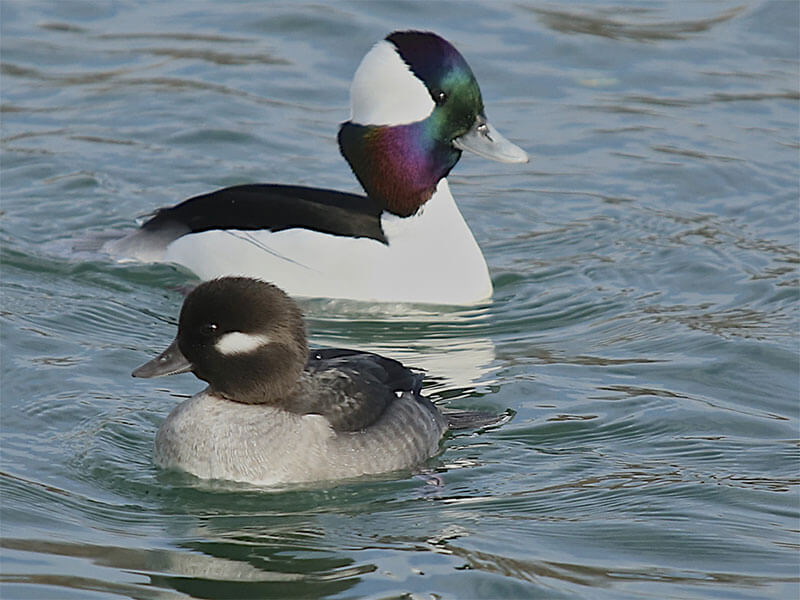
- Scientific name: Bucephala albeola
- Status: Least concern
- Where found: Common winter visitor in Florida. Found on lakes, estuaries, and bays. Recorded at Gulf Islands National Seashore and similar coastal sites.
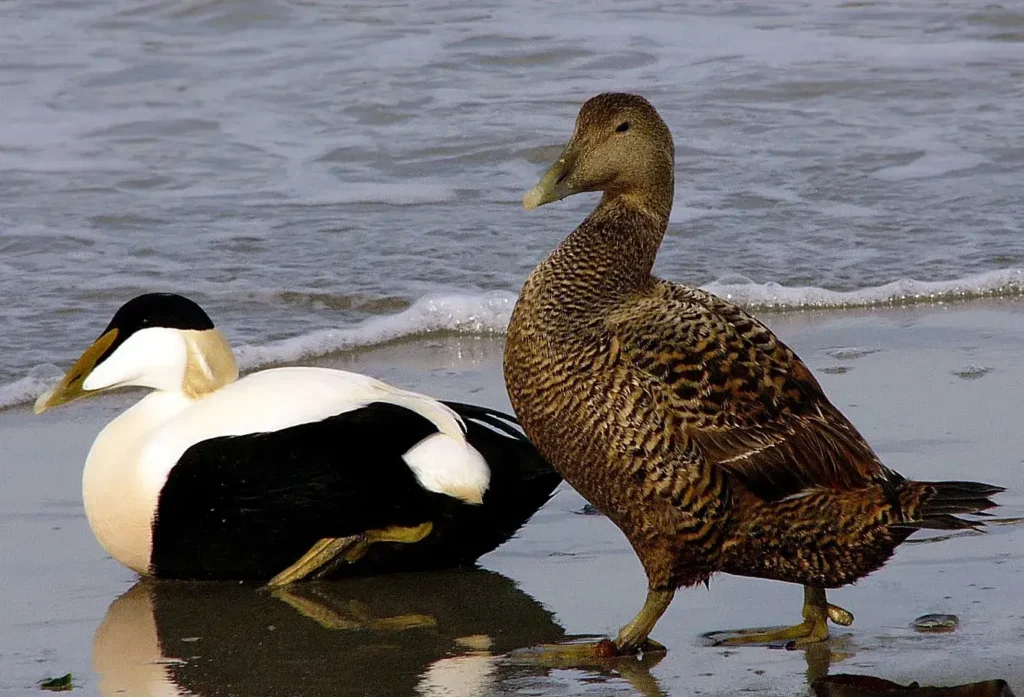
- Scientific name: Somateria mollissima
- Status: Near-threatened
- Where found: Rare coastal visitor to Florida. Occurs along exposed rocky shorelines and offshore waters.
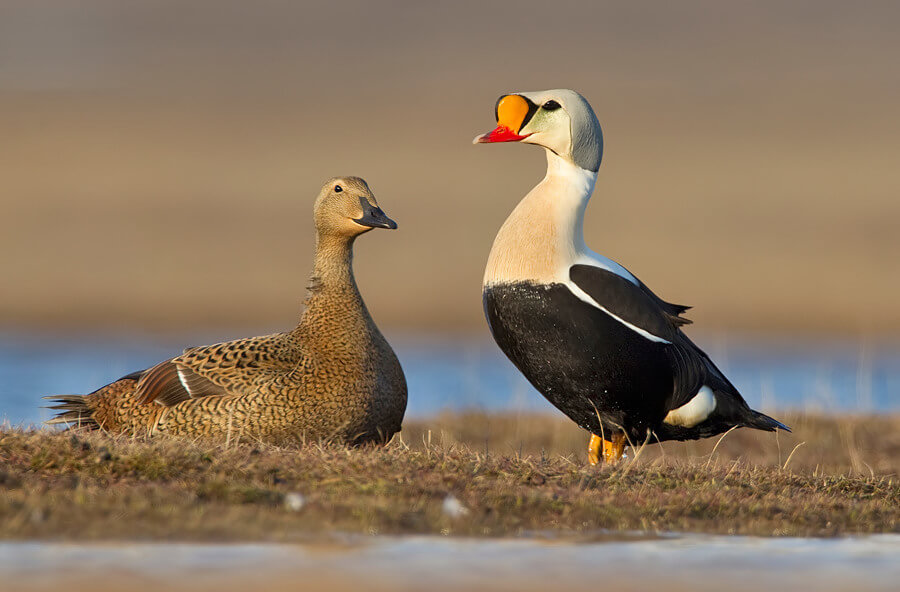
- Scientific name: Somateria spectabilis
- Status: Least concern
- Where found: Very rare Arctic vagrant in Florida. Seen along coastal waters, with occasional records such as Pensacola and Cape Canaveral National Seashore.
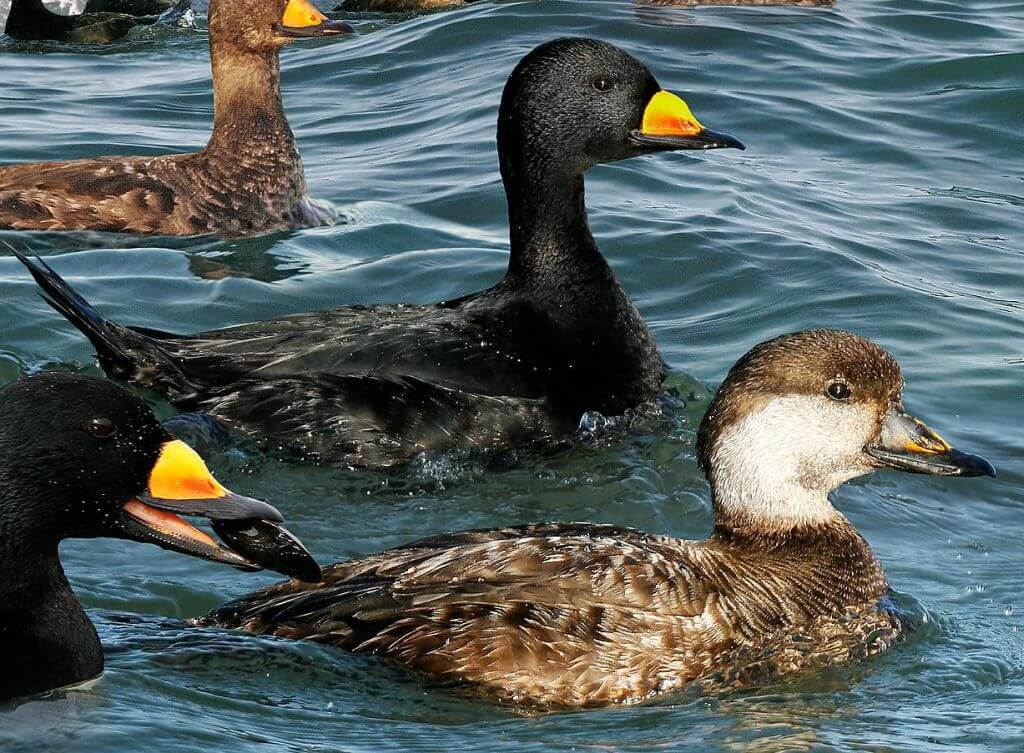
- Scientific name: Melanitta americana
- Status: Near-threatened
- Where found: Fairly regular winter visitor along Florida’s coasts, with some year-round individuals. Found in nearshore waters. Recorded at Honeymoon Island State Park
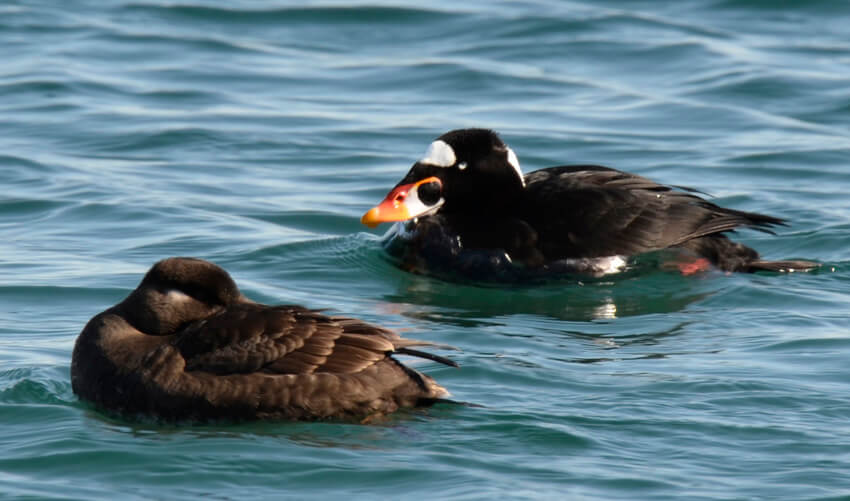
- Scientific name: Melanitta perspicillata
- Status: Least concern
- Where found: Uncommon winter visitor in Florida. Found mainly in coastal waters. Recorded at Cape Canaveral National Seashore.
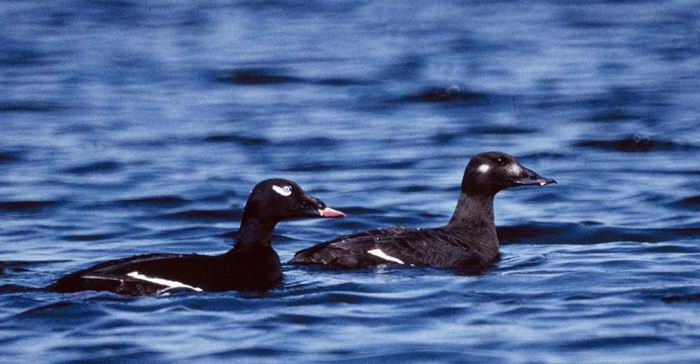
- Scientific name: Melanitta deglandi
- Status: Least concern
- Where found: Uncommon winter visitor in Florida. Found in coastal waters and large inland lakes. Recorded at Fort De Soto Park.
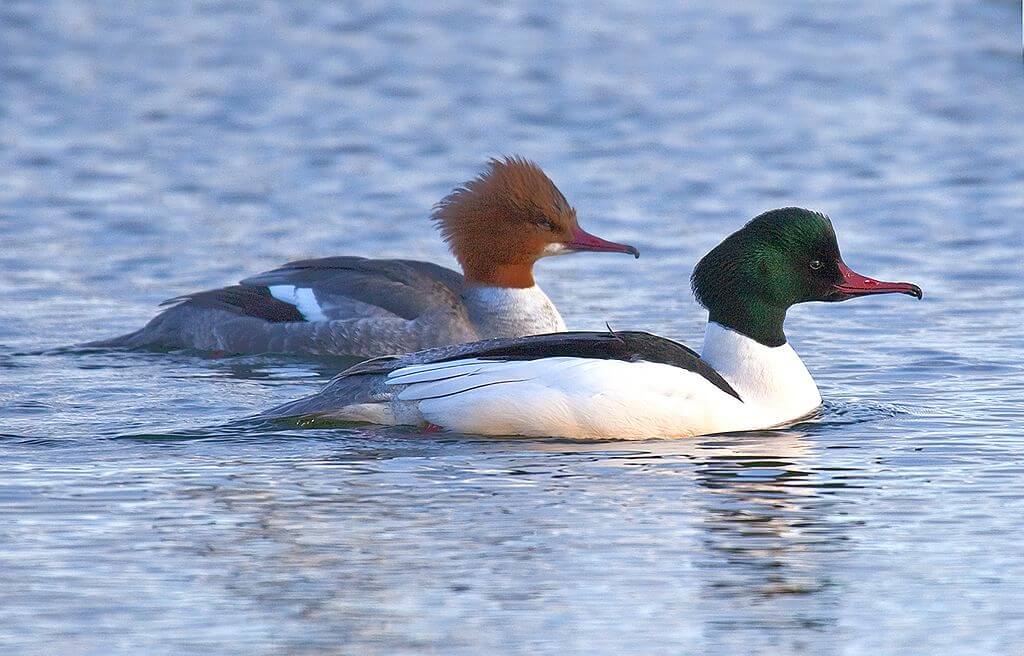
- Scientific name: Mergus merganser
- Status: Least concern
- Where found: Rare winter visitor in Florida. Found on lakes, rivers, and occasionally bays. Recorded at Lake Jackson.
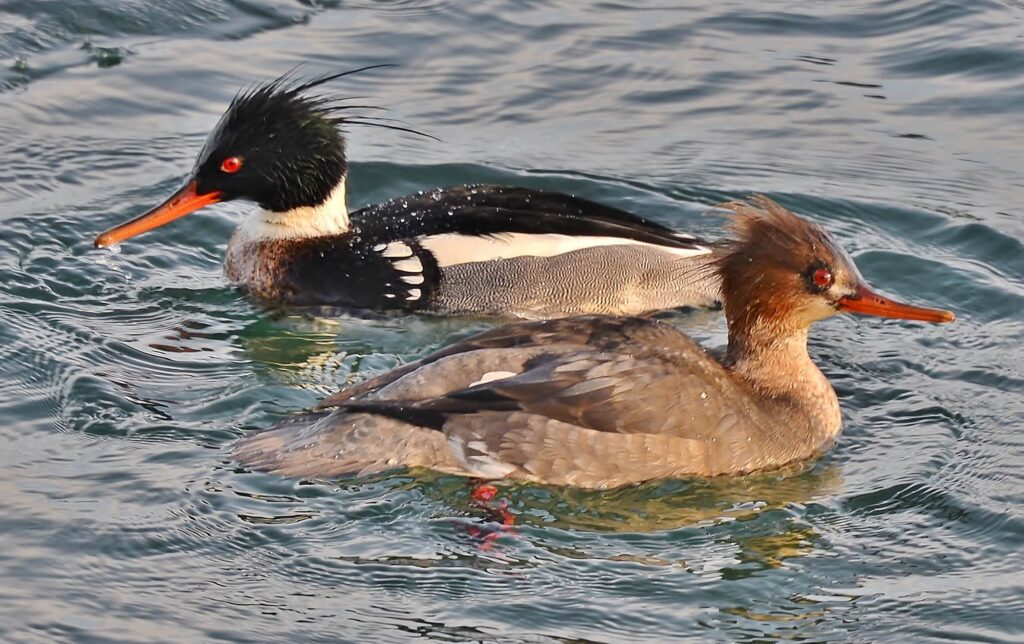
- Scientific name: Mergus serrator
- Status: Least concern
- Where found: Common winter visitor in Florida, with some seasonal presence in other months. Found in coastal waters, rivers, and lakes. Recorded at Everglades National Park.
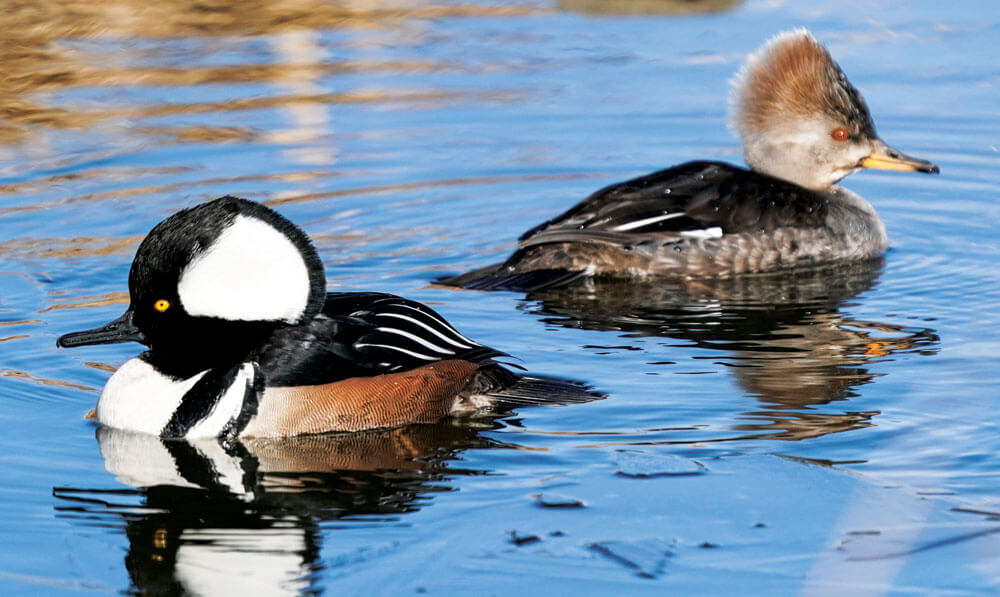
- Scientific name: Lophodytes cucullatus
- Status: Least concern
- Where found: Common winter visitor in Florida. Found on calm rivers, lakes, and ponds. Recorded at Fort De Soto Park.
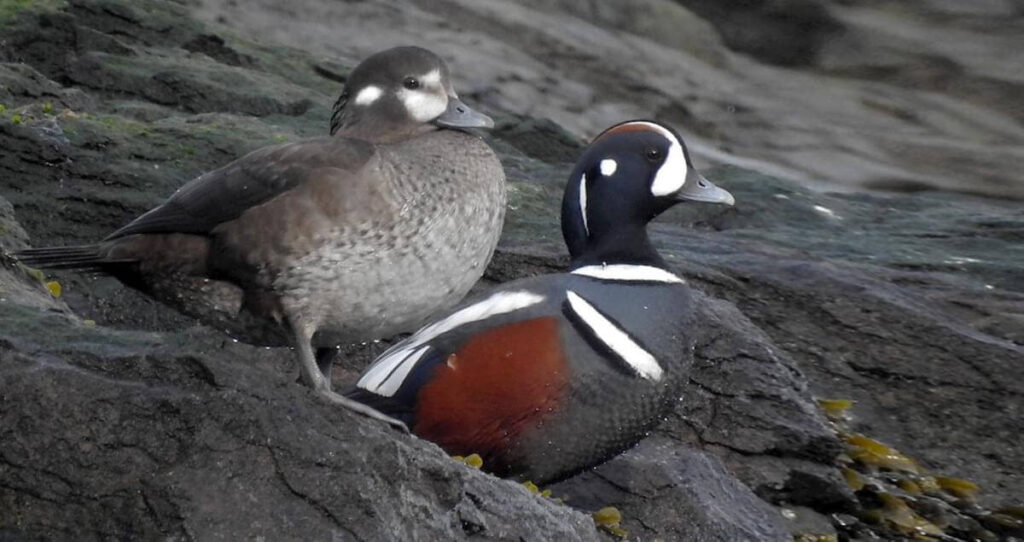
- Scientific name: Histrionicus histrionicus
- Status: Least concern
- Where found: Very rare visitor to Florida. Found along rocky coastlines, with records such as Fernandina Harbour Marina.

- Scientific name: Clangula hyemalis
- Status: Vulnerable
- Where found: Uncommon winter visitor in Florida. Found in coastal waters and large lakes. Recorded at Merritt Island National Wildlife Refuge.
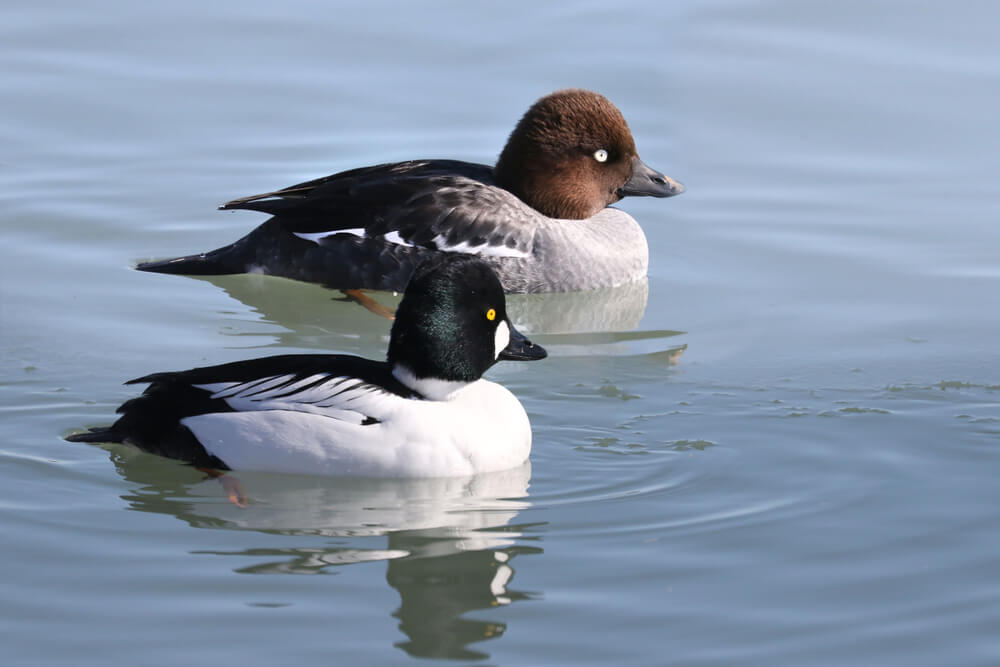
- Scientific name: Bucephala clangula
- Status: Least concern
- Where found: Uncommon winter visitor in Florida. Found on lakes, rivers, bays, and coastal waters. Recorded at Saint Marks National Wildlife Refuge.
Stifftails (Subfamily Oxyurinae)
Stifftails are a distinctive group of diving ducks known for their long, stiff tail feathers, which they often hold upright while resting on the water. They are strong divers with compact bodies and large feet that are used for underwater propulsion. Their feeding habits vary by species but typically include aquatic plants, seeds, and small invertebrates, which they gather through active diving in freshwater habitats.

- Scientific name: Oxyura jamaicensis
- Status: Least concern
- Where found: Common winter species in Florida, with some year-round presence. Found in ponds, lakes, and bays. Recorded at Everglades National Park.

- Scientific name: Nomonyx dominicus
- Status: Least concern
- Where found: Rare vagrant in Florida. Found in quiet, heavily vegetated ponds. Recorded at Key West Tropical Forest & Botanical Garden.
Discover other types of Stiff-tailed ducks: Stiff-Tailed Ducks: Meet the Upright-Tailed Divers of the Oxyurini Tribe